📍 Destination Overview
California is America's most diverse state, from Yosemite granite domes to Death Valley salt flats, Napa vineyards to Silicon Valley tech shrines. Pacific Coast Highway strings together iconic Highway 1, and giant sequoias reach the sky.
🏙️ Region
USA · California
🗓️ Best Season
Apr-Jun & Sep-Nov
💰 Currency / Language
US Dollar (USD) / English
🕐 Recommended Duration
5-7 days
🔌 Outlets / Voltage
Type A/B outlets · 120V
different from China, adapter needed
📶 Communication Tips
Buy data SIM / eSIM on arrival (reference)
☀️ Best Time to Visit & Climate
🌸 Summer/Fall: Jun-Oct
Statewide dry, best for coast and mountains.
🌸 Winter/Spring: Dec-Apr
SoCal warm, NorCal rainy season with spectacular waterfalls.
Jan
❄️
5°/-5°
Feb
🌥️
8°/-3°
Mar
🌤️
14°/2°
Apr
🌸
20°/7°
Best
May
🌷
25°/13°
Best
Jun
☀️
31°/18°
Best
Jul
🌡️
34°/21°
Aug
☀️
33°/20°
Sep
🍂
28°/15°
Best
Oct
🍁
21°/8°
Best
Nov
🌥️
13°/2°
Dec
🎄
6°/-4°
📷 Top Attractions
More Attractions →
Universal Studios Hollywood
The world’s first movie-themed Universal park, nestled at the foot of the Hollywood Hills in Los Angeles. It opens with the Studio Tour — a tram ride through the still-working Universal backlot with Jaws, earthquake and flood effects — while the upper lot packs immersive lands like Harry Potter, Minion Land, Transformers and Jurassic World. Equal parts theme park and real movie studio.
Theme Park

Golden Gate Bridge
The Golden Gate Bridge opened on May 27, 1937 across the strait between San Francisco and Marin County, and is among the most photographed bridges in the world. It runs about 2,737 metres end to end with a main span of 1,280 metres, its towers rising 227 metres above the water, and each main cable containing 27,572 wires. Chief engineer Joseph B. Strauss stood under five feet tall and proposed an ungainly hybrid design; the structure was really the work of University of Illinois professor Charles Alton Ellis, who went uncredited until a plaque was added to the south tower in 2012. The safety net strung under the deck during construction saved 19 men who fell; 11 others died. The International Orange paint is not an oil company's name but a warm orange-red chosen by architect Irving Morrow for visibility in heavy fog, overriding both a US Navy proposal for black-and-yellow hazard stripes and an Army Air Corps plan for red-and-white candy stripes. Walking and cycling are both possible: pedestrians use only the east sidewalk, which faces the city and takes in the skyline, Alcatraz and Angel Island, while the two sidewalks are shared with cyclists on a rotating timetable. The sidewalks are about 3 metres wide and take wheelchairs and strollers. A stainless-steel suicide-deterrent net below the walkways was completed in early 2024; deaths fell to four in 2025 from an average of about 22 a year since 1937. The south end has the visitor centre and Fort Point, a Civil War brick fort directly beneath the south anchorage and the only place to look straight up at the bridge's underside, while Vista Point and Battery Spencer on the Marin side frame the full span against the city skyline.
Square & Landmark

Lombard Street
The crooked block of Lombard Street runs about 600 feet between Hyde and Leavenworth Streets on Russian Hill and is known for its eight hairpin turns and a grade approaching 27 percent, which is steeper than a standard garage ramp. It was not built for looks: property owner Carl Henry proposed switchbacks to lengthen the route and reduce the grade, city engineer Clyde Healy designed it, and the eight turns were completed in 1922. The red brick paving came later, for grip and local character. The block is one-way downhill from Hyde to Leavenworth with a 5 mph limit, and pedestrians must use the concrete stairs beside the roadway rather than the carriageway. The hydrangea beds are not a city project: a resident named Peter Bercut planted them in the 1950s and neighbours have maintained them ever since. The street draws roughly two million visitors a year, about 6,000 a day in summer, which fuels two common misconceptions. First, it is not the crookedest street in San Francisco: Vermont Street between 20th and 22nd in Potrero Hill has seven tighter turns on concrete and is both steeper and far less visited. Second, driving down is still free - a 2019 proposal to charge USD 5 on weekdays and USD 10 at weekends was vetoed by Governor Newsom on social equity grounds, and work then shifted to a no-fee reservation design.
Square & Landmark

Fisherman’s Wharf
Fisherman's Wharf is San Francisco's best-known waterfront district, running along the Embarcadero with the tourist-facing commercial zone centred on Pier 39 and the older working fishing docks a short walk to the southwest. It takes its name from the Italian immigrant fishermen who once moored and sold their catch here. The famous sight is the California sea lion colony on K-Dock at Pier 39: after the magnitude 6.9 Loma Prieta earthquake on October 17, 1989, a small group normally living at Seal Rock was displaced and found K-Dock's sheltered, food-rich berths. Pier management consulted the Marine Mammal Center and let them stay, removing part of the dock to build dedicated floating platforms. Numbers have peaked as high as 1,701 in November 2009, and a record 2,100 in 2024. Seasonality matters: winter (November to May) can bring 900 or more, while from June to October most males head south to breeding grounds and only a few dozen remain. One-way glass viewing platforms and live cameras line the decks. Boats leave from here too - Alcatraz City Cruises for the island prison from Pier 33, Blue & Gold Fleet bay cruises from Pier 41, plus the Liberty ship Jeremiah O'Brien and the three-masted ferry Balclutha at the Maritime National Historical Park. One caveat: the Hyde Street Pier historic-ship programme is closed for a rebuild and its USD 15 boarding fee is suspended, while attractions inside Pier 39 such as the aquarium charge separately.
Square & Landmark

Hollywood Walk of Fame
The Hollywood Walk of Fame is Los Angeles's best-known landmark, but it is not a building - it is 2.1 kilometres (1.3 miles) of public sidewalk running along 15 blocks of Hollywood Boulevard from Gower Street to La Brea Avenue, plus three blocks of Vine Street. Embedded in the pavement are more than 2,800 coral-pink five-pointed terrazzo-and-brass stars, each about 0.9 metres across with 5 cm brass letters and a 15 cm brass emblem below naming the honoree's category. The six categories are motion pictures, television, recording, radio, live performance and sports, with a seventh special category, Awards of Excellence, for organisations and corporations; those entries use a different font and are set into walls rather than the pavement. Stars were first unveiled in 1958 and permanently installed in 1960, the earliest eight including Olive Borden, Ronald Colman and Burt Lancaster. New stars are now added almost monthly - Molly Shannon took the 2,850th in June 2026. The Hollywood Chamber of Commerce selects honorees, and each inductee pays for their own star, which is why the count keeps rising. The core stretch holds three landmarks: the TCL Chinese Theatre, opened 1927 and clad in Chinese palace styling, whose forecourt holds about 200 celebrity handprints in cement starting in 1927 after Norma Talmadge stepped into wet concrete during construction; the 3,300-seat Dolby Theatre, opened 2001 and home of the Academy Awards; and the Ovation Hollywood complex that contains them. Note you cannot properly see the Hollywood Sign from the boulevard itself - it sits about 3 km north in the Santa Monica Mountains, so aim for Griffith Observatory or the park trails instead.
Square & Landmark

Getty Center
The Getty Center stands on a hilltop in Brentwood on the west side of Los Angeles. It was built from the bequest of oil executive J. Paul Getty, who died in 1976, and opened on December 16, 1997 on a 24-acre campus that welcomed more than 20 million visitors in its first 25 years. Pritzker Prize winner Richard Meier designed it, cladding the complex in travertine quarried at Bagni di Tivoli near Rome - about 16,000 tons of stone. Visitors park at the base and ride a free driverless electric tram uphill, and that approach is part of the experience: the white complex only comes into view as you emerge from the trees. The collection spans European painting, drawings, sculpture, decorative arts, manuscripts and photography from the 8th century to the late 20th, with Van Gogh's Irises - painted in part alongside Theo - and Monet's Impression, Sunrise among the headline works. At the heart of the site is the Central Garden, created by artist Robert Irwin in 1999, whom the Getty describes as conceiving it as a sculpture; its plantings and colour change with the seasons. Upper terraces look out over the Los Angeles basin to the Pacific and the Santa Monica Mountains. One important caveat: a major modernization programme is under way, with all East and North Pavilion galleries plus several South and West Pavilion galleries currently closed, so parts of the permanent collection are off view - check current displays before travelling for a specific work. Classical art lovers can also book the Getty Villa by the coast, 20-45 minutes away by car.
Museum
🎯 California Experiences
Napa Wine Tasting
World-class Cabernet and Chardonnay.
Big Sur Coastal Drive
Cliffs and Pacific Ocean on stunning Highway 1.
Yosemite Rock Climbing
El Capitan, the world's rock climbing mecca.
Santa Monica Beach
Classic SoCal sand and pier.
Best time to visit is Apr-Jun & Sep-Nov. Spring and autumn offer comfortable temperatures. Summer can be hot, winter cold with snow in the north. Prices are reference ranges.
📰 Travel Guides
More Guides →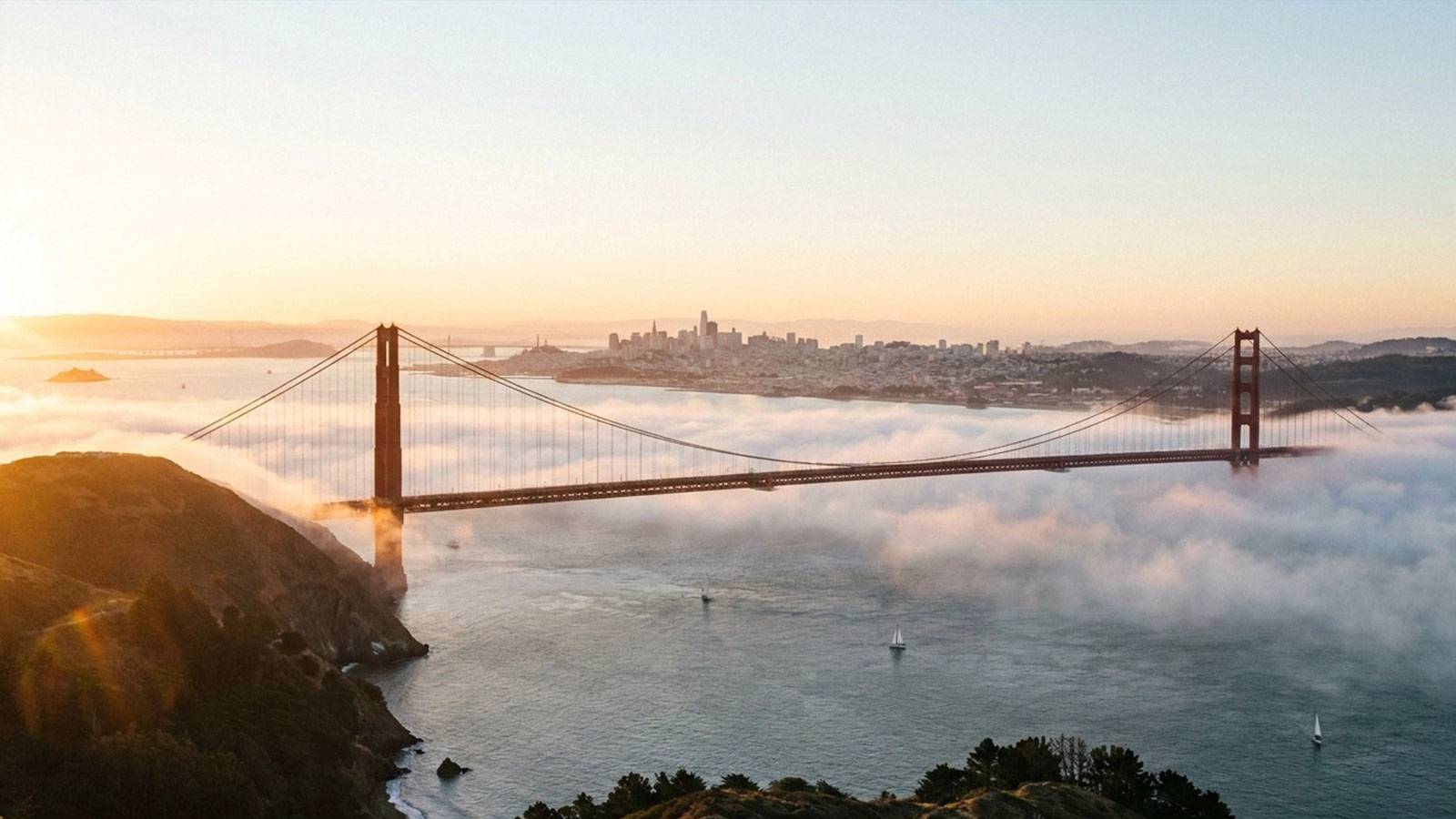
🚌 Transport & Stays
City Transport
✈️Varies by route (USD)
Airport / Flights
Fly into nearest regional airport
Varies by route (USD)
🚗Rental from ~$50/day (reference)
Self-Drive
Best flexibility, essential for rural areas
Rental from ~$50/day (reference)
🚕Base fare ~$3-5 (reference)
Taxi / Rideshare
Uber/Lyft in urban areas
Base fare ~$3-5 (reference)
Recommended Stay Areas
🏙️ San Francisco / Fisherman's Wharf
Bay Area boutique hotels
🎬 Los Angeles / Hollywood
Entertainment capital resorts
🍷 Napa / Sonoma Wine Country
Vineyard inns and rural resorts
🌲 Yosemite / Redwood Country
Mountain cabins and park campgrounds
Free Consultation
Free Consultation
1-on-1 travel consultant customizes your California trip for free based on your schedule and preferences.