🌏 Destination Overview
Britain packs deep history, modern metropolises and magnificent nature into a compact island nation. London's landmarks and world-class museums can fill several days; Edinburgh's castle and old town brim with Scottish character, and the Highlands are wild and vast; the Lake District and Cotswolds' pastoral towns are quiet as oil paintings; Stonehenge and countless castles tell ancient tales. With English widely spoken and mature itineraries, it's a hassle-free destination for history, culture and family trips.
🗓️
Best Season
May-Sep
🕐
Recommended Days
7-12 days
👪
Best For
Families / Culture Lovers / Couples
🎯
Top Activities
Castles · Museums · Countryside · Metropolis
🧳
Pre-trip Preparation
Visa + rain gear
Popular Cities
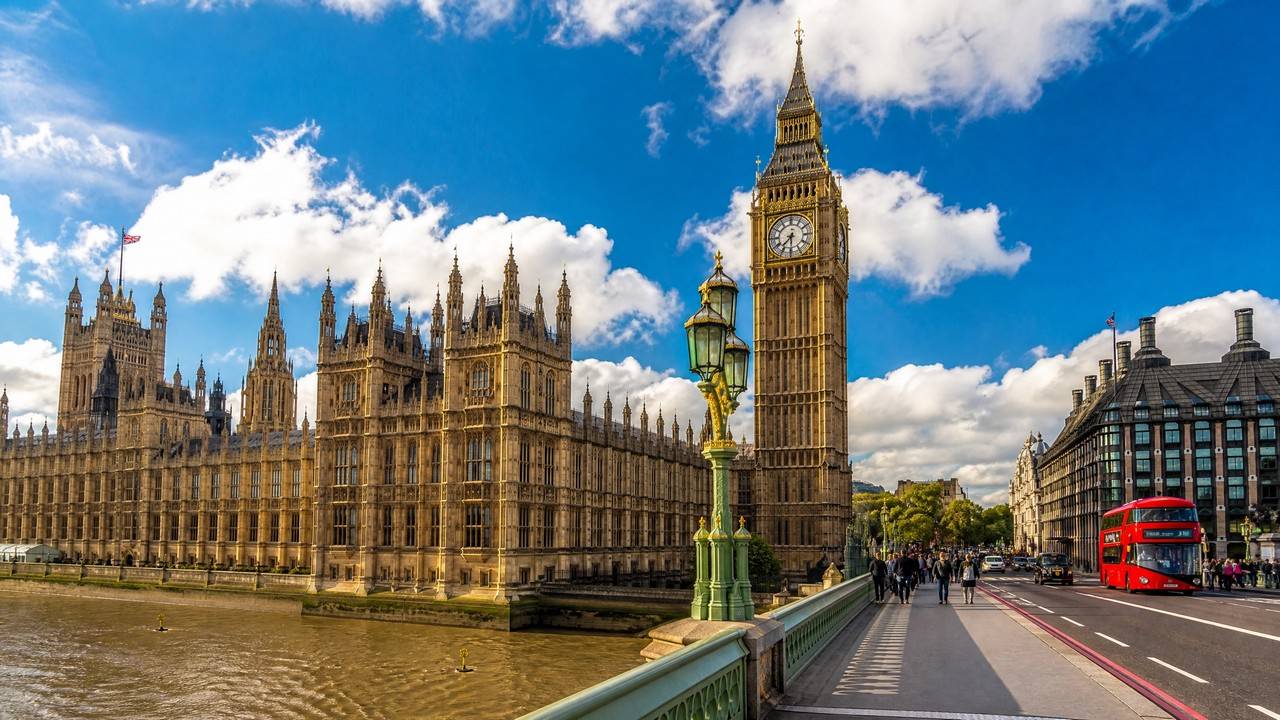
London
Metropolis,Landmark,Museum
🔥 Big Ben, Tower Bridge and world-class museums, a world metropolis of old and new.
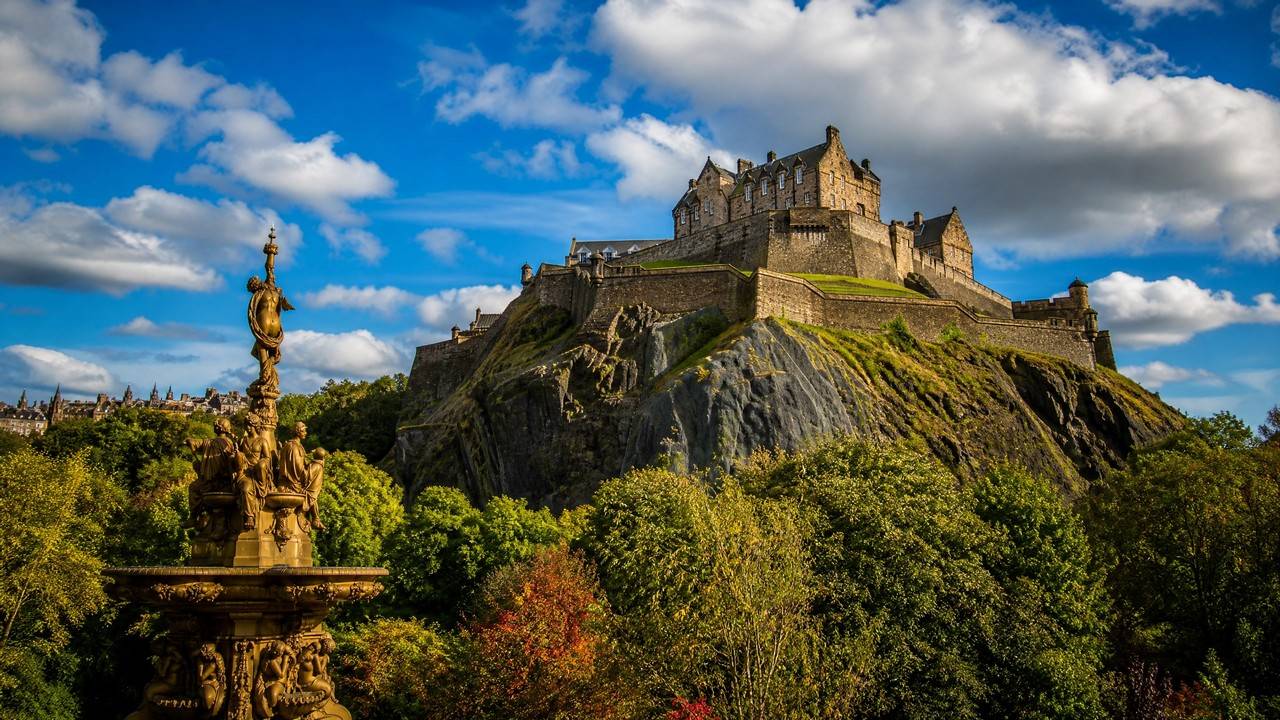
Edinburgh
Old Town,Castle,UNESCO
🔥 Scottish ancient capital, castle and old town alleys, festival and Highland gateway.
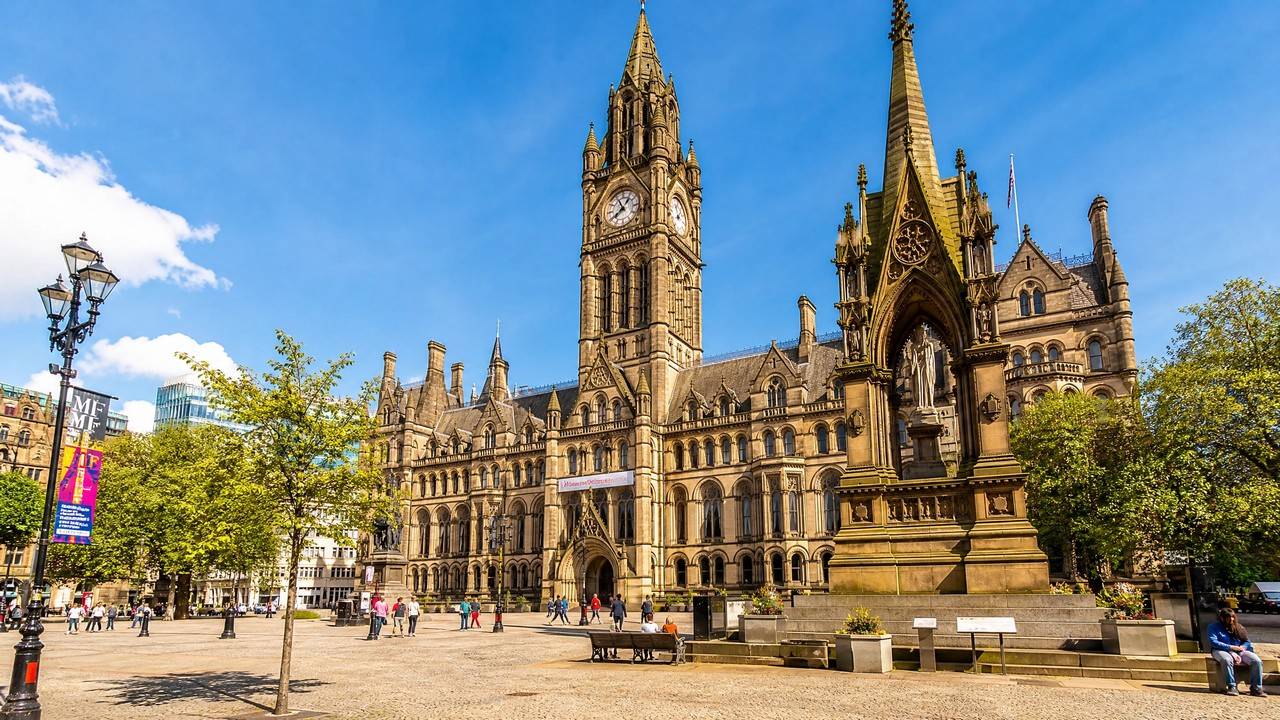
Manchester
Metropolis,Football,Industrial
🔥 Football city and Industrial Revolution cradle, music and vibrant metropolis.
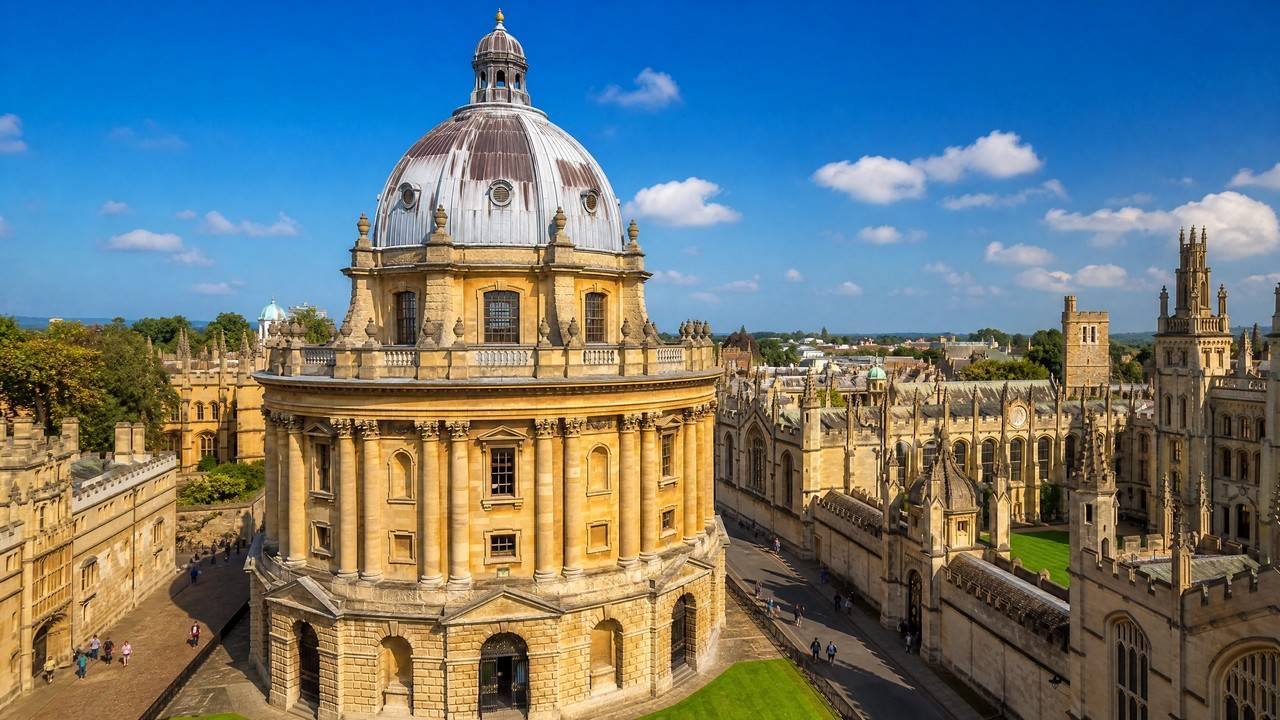
Oxford
Academic,Old Town,Suburb
🔥 Dreaming spires university city, ancient colleges and Harry Potter filming location.
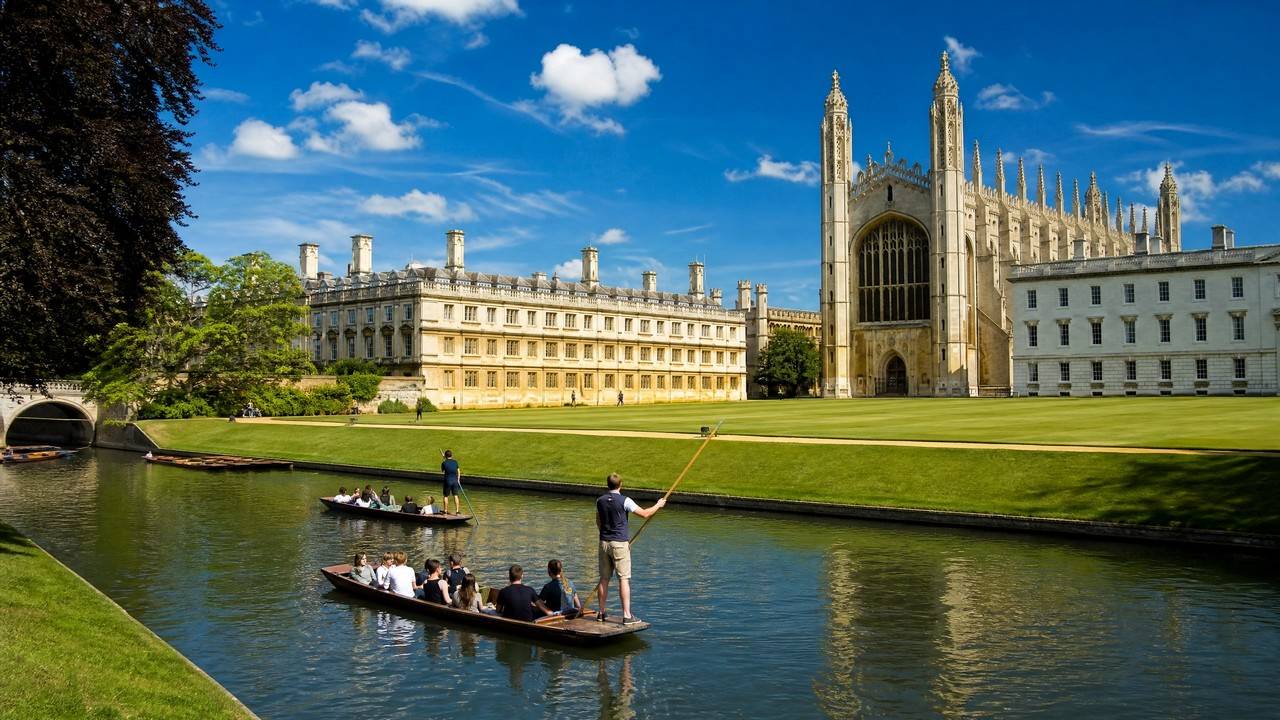
Cambridge
Academic,Punting,Suburb
🔥 Cambridge punting and ancient colleges, academic and pastoral charm.
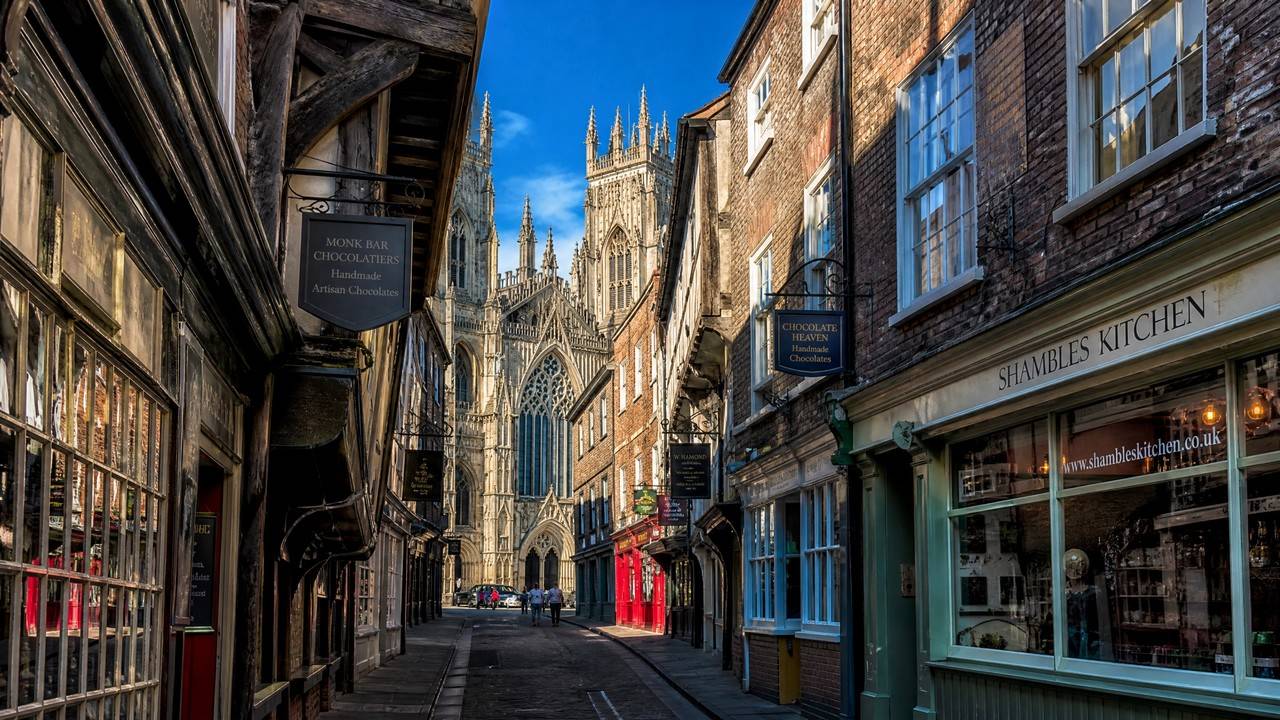
York
Old Town,City Wall,Medieval
🔥 Well-preserved medieval walled old town, cathedral and Shambles street.
Popular Attractions
More Attractions →
David Mellor Building📍 London
The David Mellor Building, located in central London, was completed in 1936 and stands as an outstanding example of British Art Deco architecture, designed under the direction of the renowned silversmith and industrial designer David Mellor. The building's exterior is characterized by strong vertical lines and geometric decorative elements, with a limestone facade combined with metal components that exemplify the sophisticated aesthetic standards of 1930s British industrial design. The interior preserves original Art Deco features including a striking entrance hall, period elevators with decorative metalwork, and elegant light fixtures that reflect the era's fascination with modernity and machine-age glamour. The building originally housed silverware design and manufacturing workshops, connecting it to Britain's prestigious metalworking heritage. Today, this historic structure serves not only as an important witness to the Art Deco movement in London but also as a living textbook for the study of British modern design history and industrial aesthetics, with regular public openings and guided tours that allow visitors to appreciate its architectural significance and the enduring legacy of one of Britain's most influential industrial designers.

Portobello Road📍 London
Portobello Road, located in the Notting Hill district of West London, is one of the city's most famous and characterful streets, renowned worldwide for its Saturday antique market and the rows of brightly colored Victorian terraced houses that line its nearly one-kilometer length. The street's history dates back to the mid-19th century, when it began as a humble market serving the working-class neighborhood, and it gained international fame through the 1999 romantic comedy film "Notting Hill" starring Julia Roberts and Hugh Grant. Every Saturday, hundreds of market stalls line the street, offering an extraordinary array of antique silver, vintage jewelry, vinyl records, secondhand books, vintage clothing, and handcrafted goods that draw collectors and bargain hunters from across the globe. On weekdays, the street retains its bohemian charm, with independent coffee shops, specialist antique dealers, art galleries, and the iconic pastel-colored houses creating one of London's most photographed and beloved urban landscapes, embodying the eclectic spirit and multicultural vibrancy that define the British capital.

Bridge of Sighs📍 Cambridge
The Bridge of Sighs is a covered bridge at St John's College, Cambridge University, UK. Built in 1831 in Neo-Gothic style, this stone bridge spans the River Cam connecting New Court and Third Court, named after Venice's Bridge of Sighs for its resemblance — with fine lattice windows and a stone corridor, and the best view from a punting trip passing beneath, it is the most romantic and photogenic of Cambridge's college bridges. Designed by Henry Hutchinson in Neo-Gothic style — a covered stone bridge with lattice windows and dentiled cornice — named after Venice's Ponte dei Sospiri; the tale that students sighed crossing it before exams is apocryphal. The bridge links New Court and Third Court across the Cam. The best view is from a punting trip passing beneath — looking up at lattice windows and the stone vault with dappled light. Kitchen Bridge and Iron Bridge nearby offer distant views. Visiting to admire Neo-Gothic lattice windows while punting beneath is a classic, poetic Cambridge college-bridge experience.

Tower of London📍 London
The Tower of London is an ancient castle carrying nearly a millennium of English history—a mighty fortress by the Thames, once palace, fortress, prison and execution ground, now guarding the Crown Jewels, London's most absorbing historic sight. Built in the 11th century after the Norman Conquest, its core White Tower was raised by William the Conqueror; after nearly a thousand years it is among London's oldest, most important buildings and a World Heritage Site. Through the ages it was a royal fortress and palace, and a prison and execution site for important prisoners (queens, nobles, statesmen), witnessing bloody court struggles—hence a mysterious, eerie legend. Today its brightest draw is the Crown Jewels—diamonds and gems, crowns, scepters and regalia, breathtaking. Visitors also explore the White Tower, walls and towers, hear the Yeoman Warders ('Beefeaters') tell its history, and see the famous ravens. Exploring the Tower of London and its Crown Jewels across a thousand years is London's top sight.

Buckingham Palace📍 London
Buckingham Palace is the British monarch's official London residence. Built 1703, it features the State Rooms (open in summer), the Changing of the Guard ceremony and the Victoria Memorial — the world's most famous royal building. Built 1703; monarch's London residence. 775 rooms; 19 State Rooms. Summer opening — royal art collection. Changing of the Guard — free; usually mornings. Victoria Memorial.

Stonehenge📍 Salisbury
Stonehenge rises from the green swell of Salisbury Plain in Wiltshire — a ring of Neolithic standing stones raised between about 3000 and 2000 BC. Tens-of-tonne sarsens, and bluestones hauled 250 km from Wales, still pose archaeology's greatest puzzle: how, and why, here? The monument's axis aligns precisely with the midwinter sunset, and scholars see a blend of calendar, temple and gathering place. Crows wheel over the grassland as the path from the visitor centre leads past the remains of Neolithic houses toward the stones — a slow walk into a 4,500-year-old ceremony. Britain's most iconic prehistoric site pairs naturally with nearby Woodhenge and Old Sarum for a fuller journey back in time.
Classic Experiences
Best Travel Seasons
🌷
Spring · Apr-May
Gardens in full bloom, weather warming
☀️
Summer · Jun-Aug
Longest daylight, peak tourist season
🍁
Autumn · Sep-Oct
Pleasant autumn color, crowds receding
❄️
Winter · Dec-Feb
Christmas markets and indoor attractions
May–Sep has long daylight and the most comfortable weather; UK weather is changeable, so carry an umbrella year-round.
Recommended Tours
View All →![[Oxford + Cambridge dual school classic 9 days] England + Scotland + Windsor + Lake District + Loch Ness + Edinburgh + York + London in-depth tour|Stay in a hotel near Heathrow Airport from beginning to end|Depart from London](https://qiniu.usitour.com/images/picture/2015-07/detail_47_1436978137.jpg?imageView2=2&w=1920&q=70&format=webp)
[Oxford + Cambridge dual school classic 9 days] England + Scotland + Windsor + Lake District + Loch Ness + Edinburgh + York + London in-depth tour|Stay in a hotel near Heathrow Airport from beginning to end|Depart from London
From $1495
![[England + Scotland·Cambridge 5-day tour] London/Birmingham/Manchester City tour | Lake Windermere + Scottish Highlands + Peter Rabbit Fairy Tale House + Loch Ness + Urquhart Castle + Warwick Castle + Cambridge + Edinburgh/York half-day free tour](https://qiniu.usitour.com/images/picture/2015-07/detail_29_1436908153.jpg?imageView2=2&w=1920&q=70&format=webp)
[England + Scotland·Cambridge 5-day tour] London/Birmingham/Manchester City tour | Lake Windermere + Scottish Highlands + Peter Rabbit Fairy Tale House + Loch Ness + Urquhart Castle + Warwick Castle + Cambridge + Edinburgh/York half-day free tour
From $920
![[British Panorama 8-Day Island Tour] London + Cambridge + Scottish Highlands + Northern Ireland Giant's Causeway | Cross-sea ferry + World Heritage + Harry Potter filming locations](https://qiniu.usitour.com/images/picture/2015-07/detail_63_1436912533.jpg?imageView2=2&w=1920&q=70&format=webp)
[British Panorama 8-Day Island Tour] London + Cambridge + Scottish Highlands + Northern Ireland Giant's Causeway | Cross-sea ferry + World Heritage + Harry Potter filming locations
From $1686
![[In-depth British Panorama 13 days] England + Scotland + Southern romantic seaside + Cambridge and Oxford double universities | including first and last hotels | mountains, lakes and seas | ancient city of literature and art | departure from London hotels](https://qiniu.usitour.com/images/picture/2016-02/detail_92_1454609321.jpg?imageView2=2&w=1920&q=70&format=webp)
[In-depth British Panorama 13 days] England + Scotland + Southern romantic seaside + Cambridge and Oxford double universities | including first and last hotels | mountains, lakes and seas | ancient city of literature and art | departure from London hotels
From $2433
![[UK Dual Universities + England Scotland Classic 7-Day Tour] Edinburgh + Oxford + Birmingham + Scottish Highlands + Lake Windermere + Cambridge University | Overview British Style](https://qiniu.usitour.com/images/picture/2015-07/detail_96_1436986887.jpg?imageView2=2&w=1920&q=70&format=webp)
[UK Dual Universities + England Scotland Classic 7-Day Tour] Edinburgh + Oxford + Birmingham + Scottish Highlands + Lake Windermere + Cambridge University | Overview British Style
From $1216
![[Happy 3-day tour] Stonehenge in Bath, UK + End of the World + Jurassic Coastline | Romantic Encounter | Visit the World Heritage Town | Departing from London](https://qiniu.usitour.com/images/picture/2016-03/detail_93_1458773039.jpg?imageView2=2&w=1920&q=70&format=webp)
[Happy 3-day tour] Stonehenge in Bath, UK + End of the World + Jurassic Coastline | Romantic Encounter | Visit the World Heritage Town | Departing from London
From $642
Popular Guide Articles
More →2026 St John's College, Oxford University, complete tour guide: two-day itinerary, tour fare details and pit avoidance guide (including transparent statement on promotion information)
👁 6.1k
King's College Chapel 2026 Guide: Tickets, Opening Hours and Itinerary
👁 5.0k
2026 Manchester Free Travel Guide
👁 4.0k
2026 Oxford Nuffield College Free Travel Guide: A complete guide to visas, transportation, accommodation and 3-7-day itinerary
👁 3.5k
2026 London Chocolate Theme Free Travel Guide: A Guide to Brixton Museum, Cadbury World and York
👁 3.3k
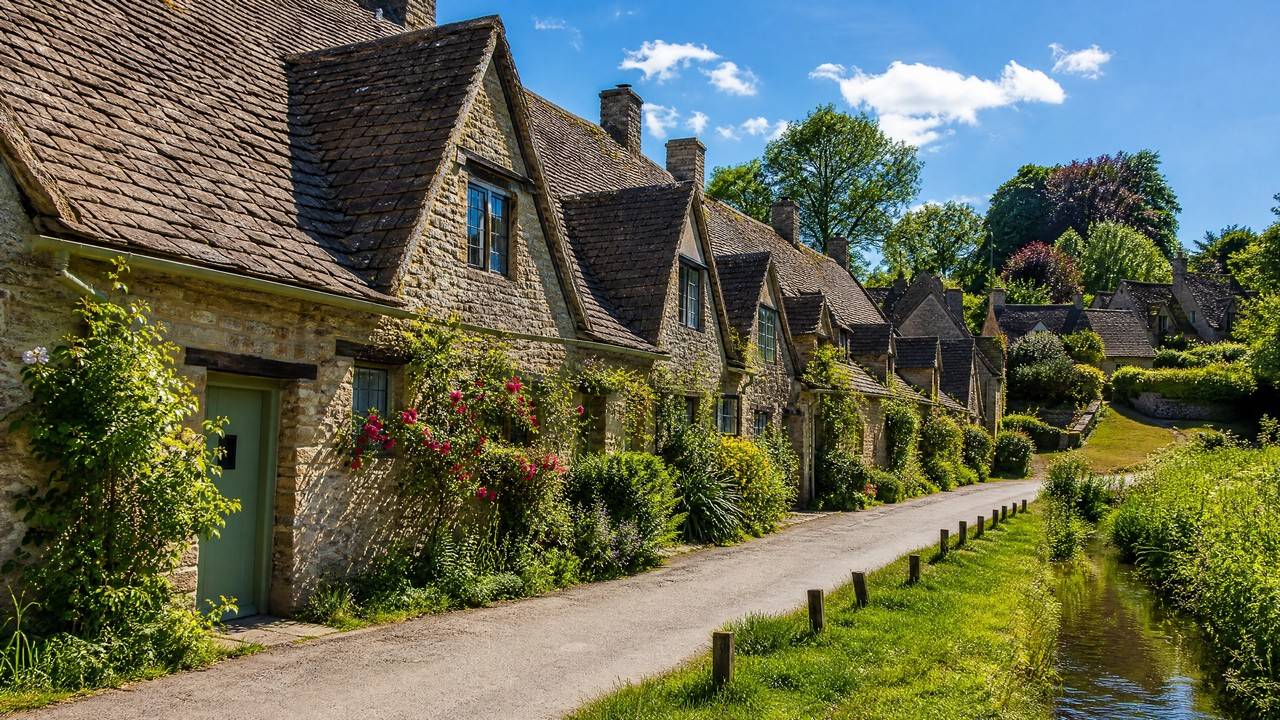
Cotswolds 'free travel guide: A deep way to open up England's most beautiful countryside
👁 2.2k
Practical Info
Depending on passport/departure country; check the latest visa and entry policy before travel
Pound Sterling (GBP), cards and mobile payments widely used
UK time UTC+0 (DST +1)
230V, Type G (UK standard) outlets
Convenient intercity trains, extensive London Underground
Obey local laws, mind personal belongings; emergency 999/112(general)
Free Consultation
Free Consultation
Tell us your departure city, travel dates and interests, and Zou Sifang will tailor a trip just for you.