Te Anau

Te Anau Travel Guide

Key facts

  • On this page: 0 travel guides and 0 attractions
  • Attractions include opening hours, ticket prices, transport and suggested visit duration
  • Guides cover itinerary planning, visas, accommodation and budget tips
  • Content is updated from the CMS and verified facts

This page collects all travel content for Te Anau: 0 guides covering itinerary planning, attraction recommendations, visa application, transport and accommodation, plus 0 attractions with opening hours, ticket prices and practical tips, continuously verified and updated.

A small town on the South Island’s largest glacial lake, gateway to Milford Sound and the glowworm caves

📍 Destination Overview

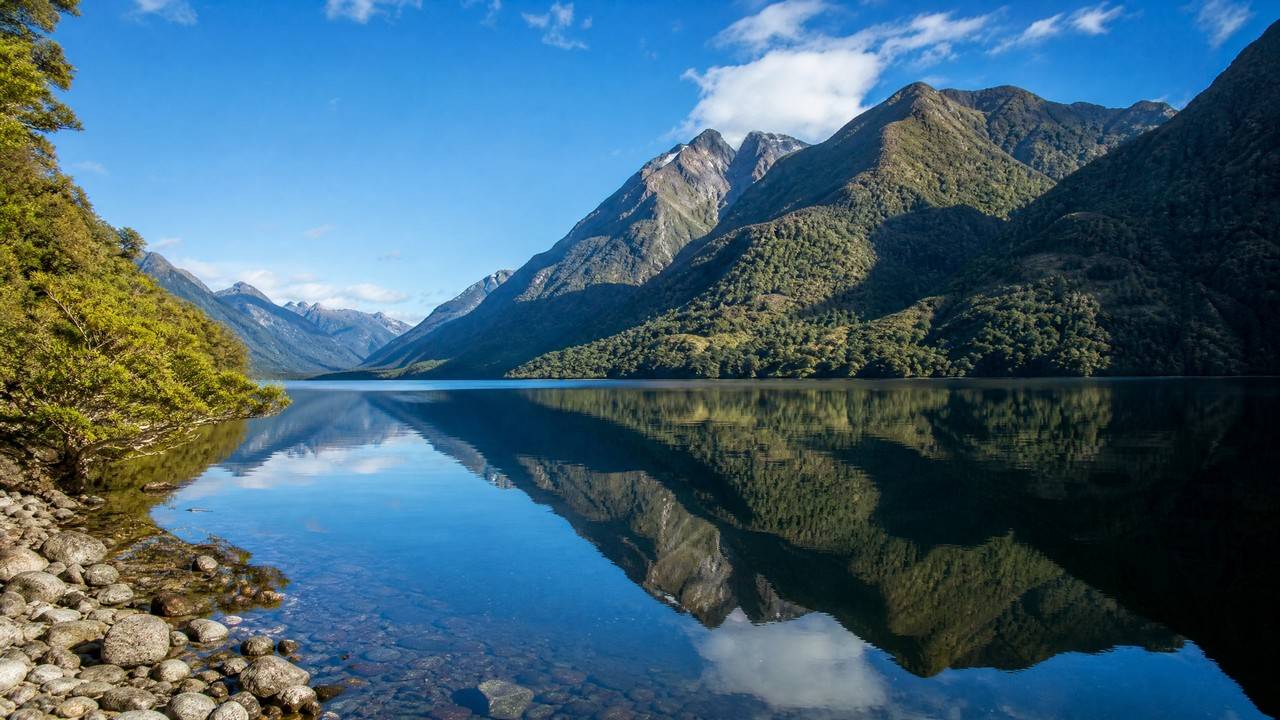
Te Anau sits on the eastern shore of Lake Te Anau in Southland, in the southwest of New Zealand’s South Island. It is the last supply point before Fiordland National Park and the gateway to Milford Sound. The town is small — one main street of accommodation, a supermarket and tour departures — while across the lake lies almost uninhabited beech rainforest and fiords. Lake Te Anau is the South Island’s largest glacial lake, around 344 km². On its western shore, the Te Anau Glowworm Caves are reached by boat: a limestone system formed roughly 12,000 years ago where a short underground boat ride passes beneath blue glowworms. Te Anau is also the staging point for the Milford Track, a roughly 53 km, normally four-day one-way Great Walk that requires advance hut bookings. Fiordland is wet and changeable: summer (December to February) brings the longest daylight and the best hiking, while winter is cold and rainy and some tracks and services scale back. Check road conditions and bookings before you set out.

🏔️ Location
New Zealand · Southland
gateway to Fiordland
🗓️ Best Season
Dec-Feb (Southern Hemisphere summer)
🕐 Time Difference
4-5 hrs ahead of Beijing (daylight saving)
💰 Currency / Language
NZD / English, Māori
🕐 Recommended Stay
3-5 days
fiord, glowworms, lake
🔌 Outlets / Voltage
Type I · 230V, bring an adapter

☀️ Best Time to Visit & Climate

🌷 Summer: Dec-Feb
The longest days and 10-20°C make this the best window for hiking, lake activities and fiord cruises. It is also peak season, so huts and rooms book out early.
🍂 Autumn: Mar-May
Temperatures of 4-18°C, beech forest turning colour and fewer visitors; still reasonably settled for short lakeside walks and photography.
Jan
☀️
20°/11°
Best
Feb
☀️
20°/11°
Best
Mar
🍂
18°/9°
Apr
🍁
15°/7°
May
🌡️
12°/4°
Jun
❄️
9°/2°
Jul
❄️
9°/1°
Aug
❄️
11°/3°
Sep
🌧️
14°/5°
Oct
🌤️
16°/7°
Nov
🌸
18°/8°
Dec
🌷
19°/10°
Best

🎯 Te Anau Experiences

Cruise Milford Sound
About a two-hour drive from Te Anau along the Milford Road to the fiord terminal; cruises pass sheer walls and waterfalls. Known in Māori as Piopiotahi, the fiord is arguably even more dramatic in rain.
Visit the glowworm caves
Take a boat from the eastern shore to the western shore, then follow a guide on foot and by small boat through the cave; photography and noise are restricted inside.
Walk the Milford Track
A roughly 53 km, four-day one-way Great Walk from the head of Lake Te Anau over the 1,069 m Mackinnon Pass to Sandfly Point; huts sell out early in peak season.
Lakeside walks & birdwatching
Short lakeside paths and the Punanga Manu o Te Anau bird sanctuary sit on the eastern shore, with South Island birdlife and calm evening views.
A day on the Kepler Track
Start at the lakeshore control gates and walk a section through beech forest and lake bays, then turn back — no need to commit to the full 3-4 day loop.
Drive the Milford Road
The alpine road is an attraction in itself: Mirror Lakes, Monkey Creek, the Homer Tunnel and tussock valleys. Set off early and allow time for stops and weather delays.
Seasons are reversed in the Southern Hemisphere. December to February brings long daylight and 10-20°C, the best window for hiking and fiord cruises; March-May pairs autumn colour with fewer crowds. June-August is winter at around 1-11°C — cold and wet, with possible ice on higher roads and reduced services. Fiordland is rainy year-round and weather can change several times a day, so pack a waterproof jacket and layers whenever you visit. Book Great Walks huts, glowworm cave boats and Milford Sound cruises well ahead in peak season.

🚌 Transport & Stays

City Transport
✈️
Arriving by Air
Te Anau has no commercial airport; fly to Queenstown (or Invercargill via Auckland/Christchurch) and continue by rental car or coach into the lakes district.
—
🚗
Driving
The most flexible option and the usual way to link Queenstown, Te Anau and Milford Sound. New Zealand drives on the left; watch for ice on alpine sections in winter.
—
🚌
Coach & Day Tours
Intercity coaches connect Queenstown and Te Anau, and sightseeing coaches with a Milford Sound cruise option depart from town — a good choice if you would rather not drive the alpine road.
—
🚶
Getting Around Town
One main street along the lake: accommodation, restaurants, the supermarket and departure points are walkable. Milford Sound and trailheads require a car, coach or boat transfer.
—
Recommended Stay Areas
🏘️ Te Anau town centre
On the lakeside main street, a short walk from supermarkets, restaurants and departure points — the default base for most visitors.
🌊 Lakeside / lake-view
Lake-view motels and holiday homes on the eastern shore, well suited to self-drive trips and sunset or morning-mist views.
🏕️ Holiday parks & campsites
Holiday parks, cabins and powered campervan sites around the town; good for road trips and tighter budgets, and worth booking in peak season.
🥾 Great Walks huts
DOC huts along the Milford and Kepler tracks, bookable in advance through the official system; pair them with a night in town before and after.
Free Consultation

Ready for Milford Sound and the Te Anau glowworm caves?

Tell us your departure city and travel dates, and USITrip will plan a South Island itinerary around the fiord, the caves and the lakeside tracks.