Boquete
Quick Facts
- Location
- Panama, Boquete
- Category
- Sightseeing
- Duration
- 2-3 days
- Opening Hours
- The town centre is open around the clock; trails and hot springs run by day, estate tours by appointment, and Baru summit trips usually start at midnight.
- Ticket Price
- Adult: Free · Town centre free; Quetzal Trail about US$5, Caldera hot springs about US$3, coffee estate tours about US$25-35; Baru summit trips priced as guided tours.
- Address
- Boquete, Chiriqui Province, Panama (on the slopes of Volcan Baru, along the Caldera River)
- Coordinates
- 8.7800, -82.4300
Introduction
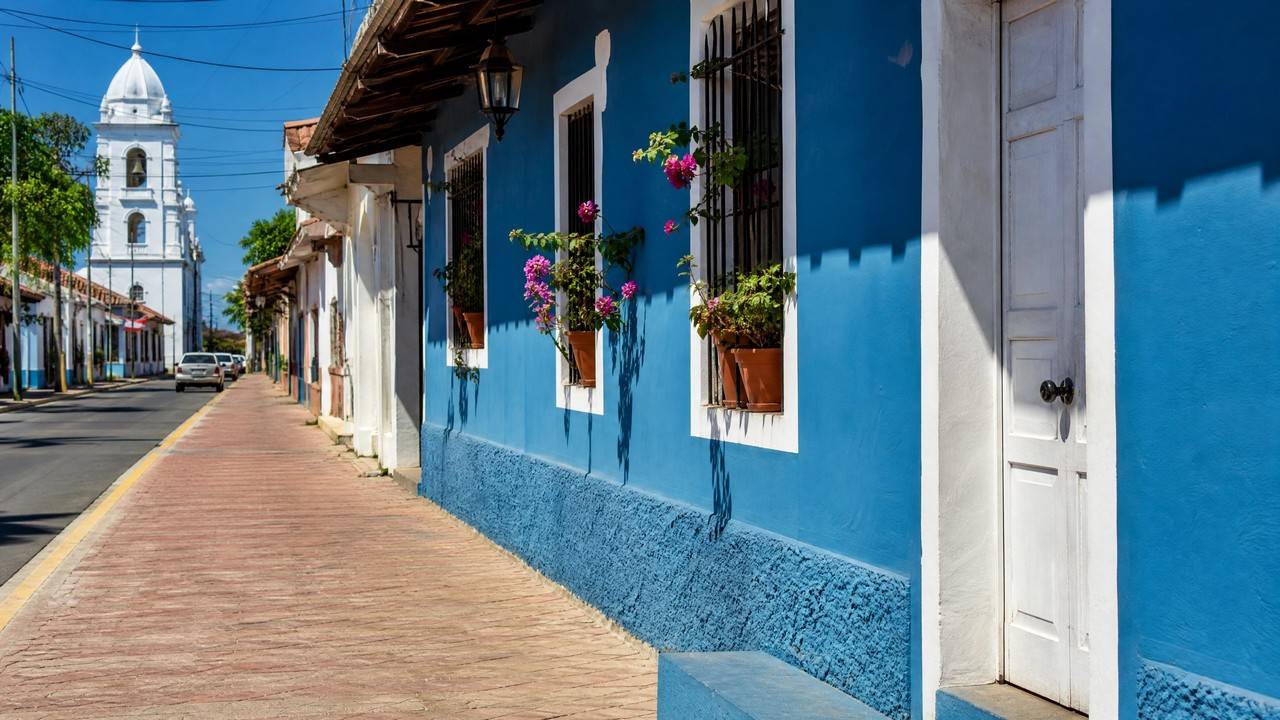
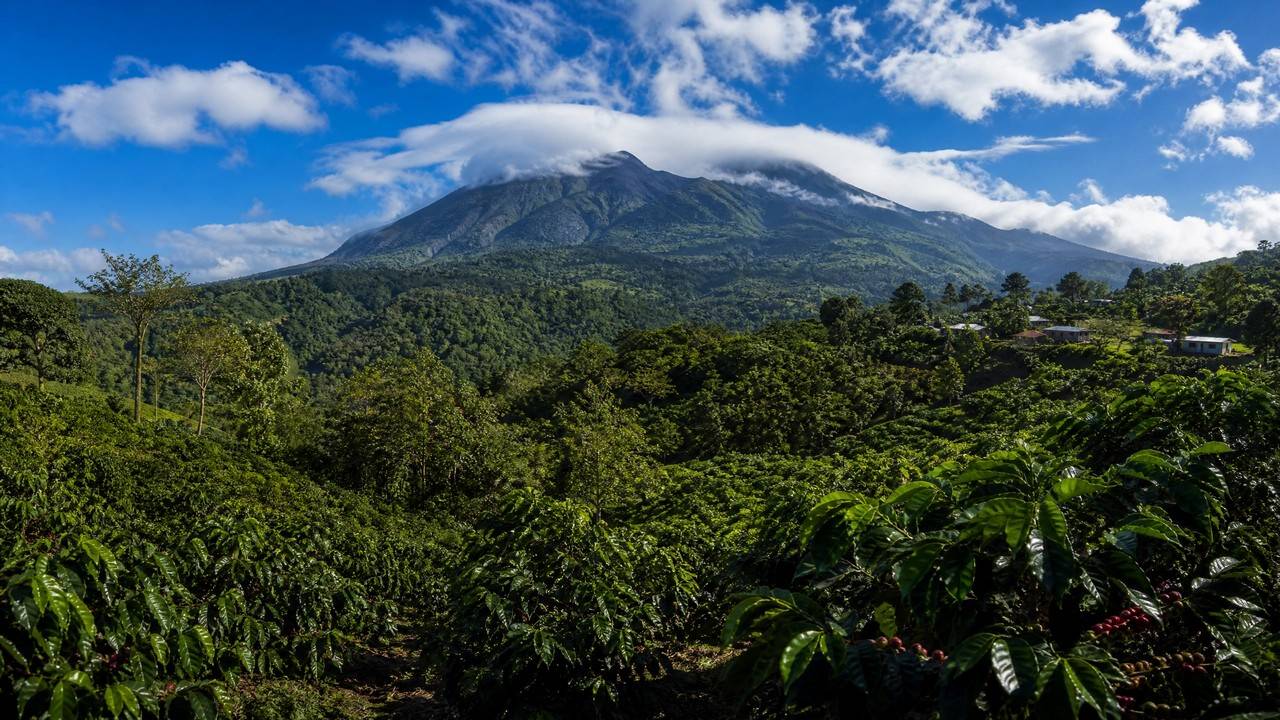
Boquete is a highland town in Chiriqui Province, Panama, set in a valley on the slopes of Volcan Baru at about 1,200 metres above sea level, spread along the Caldera River. Average temperatures run about 18 to 24 degrees C year-round, springlike throughout, which is why it is called the land of eternal spring. Locals have a word for one specific weather condition, bajareque: a fine, wind-driven misted drizzle that is not quite rain, and the reason trails are soaked by two in the afternoon. It is also the reason geisha coffee thrives here. The dry season, December to April, runs to a reliable rhythm: bright clear mornings, a cloud bank moving in over Baru around eleven, full mist and drizzle by mid-afternoon, and sometimes clearing again at sunset for a rainbow. So the itinerary runs backwards: put hiking in the morning and leave coffee fincas, museums, town wandering and long lunches for the afternoon. Bring a fleece and a rain shell even in February, since the wind off Baru at dawn can drop the felt temperature into single digits. Volcan Baru, Panama's highest peak at 3,475 m: a dormant volcano whose last eruption is put at about five hundred years ago. What makes the summit special is that on a clear day it is the only point in the Americas where you can see both the Atlantic and Pacific oceans at once. The standard approach is to start at midnight for sunrise, five to six hours up, roughly 13 km round trip and seven to fourteen hours depending on fitness, though you can also drive partway up. Geisha coffee: Boquete is one of the world's premier coffee regions, and the geisha varietal has repeatedly broken price records at international auctions, commonly quoted at over 100 dollars a pound, with higher figures of 1,600 dollars a kilo also circulating. The numbers move a lot year to year, so do not treat them as fixed. Estates to visit: Finca Lerida, one of the oldest, with its own birding lodge and a full seed-to-cup experience; Kotowa with daily tours at about 25 to 35 dollars; Cafe Ruiz, a large operation with comprehensive tours; and Finca La Milagrosa, a smaller organic estate. Tours normally include a plantation walk, an explanation of processing methods, a cupping session, and the chance to buy beans at the source. Birdwatching: a world-class birding destination whose star is the resplendent quetzal, most readily seen from December to May around Volcan Baru. Hiring a local birding guide, about 50 to 100 dollars for a half day, dramatically improves your hit rate. Trails and hot springs: the 9.6 km Sendero de los Quetzales to Cerro Punta, about 5 dollars to enter and one of the finest hikes in Central America; the flat, species-rich Pipeline Trail; Lost Waterfalls, three cascading falls over two to three hours round trip; and the Caldera Hot Springs about thirty minutes from town at about 3 dollars. Getting there: almost every route passes through David, the lowland capital of Chiriqui Province. David's airport, DAV, has daily flights from Albrook, PAC, in Panama City, about forty minutes in the air, and from the David terminal buses leave every twenty-five to thirty minutes, cost 1.75 to 2 dollars in cash to the driver and take fifty to sixty minutes up the only road in. Orientation: the Caldera River cuts through town, and the main bridge over it is the most photographed spot in Boquete and the most useful reference point when getting your bearings.
✨ Highlights
🛈 Practical Info
Ticket Information
| Adult | Free |
|---|
Town centre free; Quetzal Trail about US$5, Caldera hot springs about US$3, coffee estate tours about US$25-35; Baru summit trips priced as guided tours.
💡 Tips
FAQ
What are the opening hours of Boquete?
The town centre is open around the clock; trails and hot springs run by day, estate tours by appointment, and Baru summit trips usually start at midnight.
How much is the admission for Boquete?
Adult: Free; Town centre free; Quetzal Trail about US$5, Caldera hot springs about US$3, coffee estate tours about US$25-35; Baru summit trips priced as guided tours.
Any practical tips for visiting Boquete?
Bajareque is the local word for the afternoon misted drizzle: not quite rain, but it soaks trails by two in the afternoon, and it is also why geisha coffee grows here. Run the itinerary backwards: hiking in the morning, coffee fincas, museums, town wandering and long lunches in the afternoon.
How long should I spend at Boquete?
A typical visit takes 2-3 days.