Japan is located in East Asia, consisting of four main islands—Honshu, Hokkaido, Kyushu, and Shikoku—along with thousands of smaller islands. As of August 2026, the yen-to-dollar exchange rate is approximately 159.31 yen per US dollar. The relatively low exchange rate is favorable for travelers holding US dollars or Chinese yuan (yuan conversion estimated at approximately 7.1 yuan per US dollar). August 13-16, 2026 marks the Obon festival (お盆), when a nationwide wave of homecoming travel occurs, leading to significantly increased passenger flow on Shinkansen and at airports. If you plan to travel during this period, it is recommended to book transportation and accommodation more than two weeks in advance.
This guide combines official materials from the Japan National Tourism Organization with field research information compiled by the editors of the Zoutufang platform, focusing on the three core cities of Tokyo, Kyoto, and Osaka, while also covering extended regions such as Hokkaido and Okinawa, providing the latest practical advice for 2026 for both first-time and returning visitors.
1. Destination Overview
Japan is a travel destination with clearly distinct four seasons. The cherry blossom season from late March to early April, with seas of pink and white blossoms stretching from Tokyo to Kyoto, is the most popular time of the year. The autumn foliage season from late October to late November sees temple gardens and mountain valleys painted in autumn colors, ideal for photography and hiking. From July to August, there are summer events such as the Gion Festival and fireworks displays, but temperatures often exceed 32°C, and public transportation is crowded during the Obon festival in mid-August.
In terms of suitability, Japan is highly accommodating for family travelers, solo travelers, food enthusiasts, and those seeking deep cultural exploration. Urban areas are well equipped with mother-and-child facilities, public safety is excellent, and late-night travel is relatively safe. Rural and hot spring areas offer fewer foreign language services, so it is recommended to download a translation app in advance.
The 2026 cherry blossom forecast has not yet been officially released, but according to historical models from the Japan Meteorological Agency, Tokyo is expected to enter the blooming period around March 21 (as of August 2026, source: Japan Meteorological Agency). If cherry blossoms are your goal, it is recommended to schedule your trip between March 25 and April 5, and to monitor temperature changes in the week leading up to your visit.
2. Transportation Guide
How to Get There
Japan has multiple international gateway airports, with Tokyo Narita Airport (NRT) handling the most international routes, followed by Osaka Kansai Airport (KIX) and Tokyo Haneda Airport (HND). From major Chinese cities, a one-way flight takes approximately 2.5-4 hours. From East Coast North American cities such as New York, a direct flight to Tokyo takes about 14 hours. From Sydney in Oceania, a direct flight to Tokyo takes about 9 hours 30 minutes (flight schedules are subject to airline announcements).
Rail is the primary mode of transport from airports to city centers. Narita Airport → Tokyo Station: take the Narita Express N'EX, about 60 minutes, fare approximately 3,000 yen (about 19 USD / 136 yuan, as of August 2026). Kansai Airport → Osaka Namba Station: take the Nankai Rapi:t limited express, about 38 minutes, fare approximately 1,450 yen (about 9 USD / 65 yuan). Both routes offer discount passes for foreign visitors, which can be purchased at the foreign visitor service centers after passing through customs.
City Transportation
Tokyo, Osaka, and Kyoto have dense subway networks, and using an IC card (Suica or ICOCA) is highly recommended. IC cards can be purchased at ticket vending machines at any station, with a 500 yen deposit refundable upon return. They can be used for trains, subways, buses, and convenience store payments. Editors at the Zoutufang platform have verified through testing that at major hubs such as Tokyo's Shinjuku Station, using an IC card saves the time of queuing to buy tickets each time, significantly improving transfer efficiency.
Intercity travel relies on the Shinkansen. Tokyo → Shin-Osaka: take the Nozomi (のぞみ), about 2 hours 30 minutes, unreserved seat fare approximately 14,500 yen (about 91 USD / 650 yuan, as of August 2026). If you need to travel between Tokyo, Kyoto, and Osaka within a week, the Japan Rail Pass is often more cost-effective. However, in 2026, the pass has been adjusted into two versions—nationwide and regional—so you need to compare it against your itinerary before purchasing (comparison information is available from East Japan Railway Company).
3. Accommodation Recommendations
Accommodation can be divided into three tiers by city and budget: budget capsule hotels and youth hostels, mid-range business hotels and guesthouses, and high-end ryokan (hot spring inns) and urban resort hotels. Japanese hotels typically charge per person, so the price for two people in one room is higher than for one person but not double. Be sure to set the correct number of guests when booking.
| Area | Best For | Reference Price (per night) | Highlights |
|---|---|---|---|
| Shinjuku, Tokyo | Shopping, nightlife, transport hub | Economy from ¥8,000 ($50 / ¥360 CNY) | Multiple railway lines converge here; convenient access to Hakone and Mt. Fuji |
| Gion, Kyoto | Traditional atmosphere, temple tours | Mid-range hotels from ¥25,000 ($157 / ¥1,125 CNY) | Within walking distance of Yasaka Shrine and Hanamikoji Street |
| Umeda, Osaka | Shopping, city transfers | Economy from ¥9,000 ($57 / ¥405 CNY) | Large commercial complexes concentrated here; convenient direct airport buses |
For premium experiences, hot spring inns (ryokan) in the Hakone and Lake Kawaguchi area cost approximately ¥30,000–60,000 per person per night ($188–377 / ¥1,350–2,700 CNY), including dinner and breakfast, with most rooms featuring a private onsen bath. During the 2026 summer vacation and autumn foliage seasons, hot spring inns need to be booked more than 30 days in advance, and some inns have strict cancellation policies — it is recommended to choose room types that allow free cancellation.
4. Must-Visit Attractions
Within Tokyo (attraction information compiled based on Japan National Tourism Organization data; opening hours may vary by season).
- Senso-ji Temple (Taito City): Tokyo's oldest Buddhist temple. The Kaminarimon Gate and Nakamise shopping street are iconic landmarks. Free admission. Main hall open 6:00–17:00. Suggested visit duration: 1–1.5 hours.
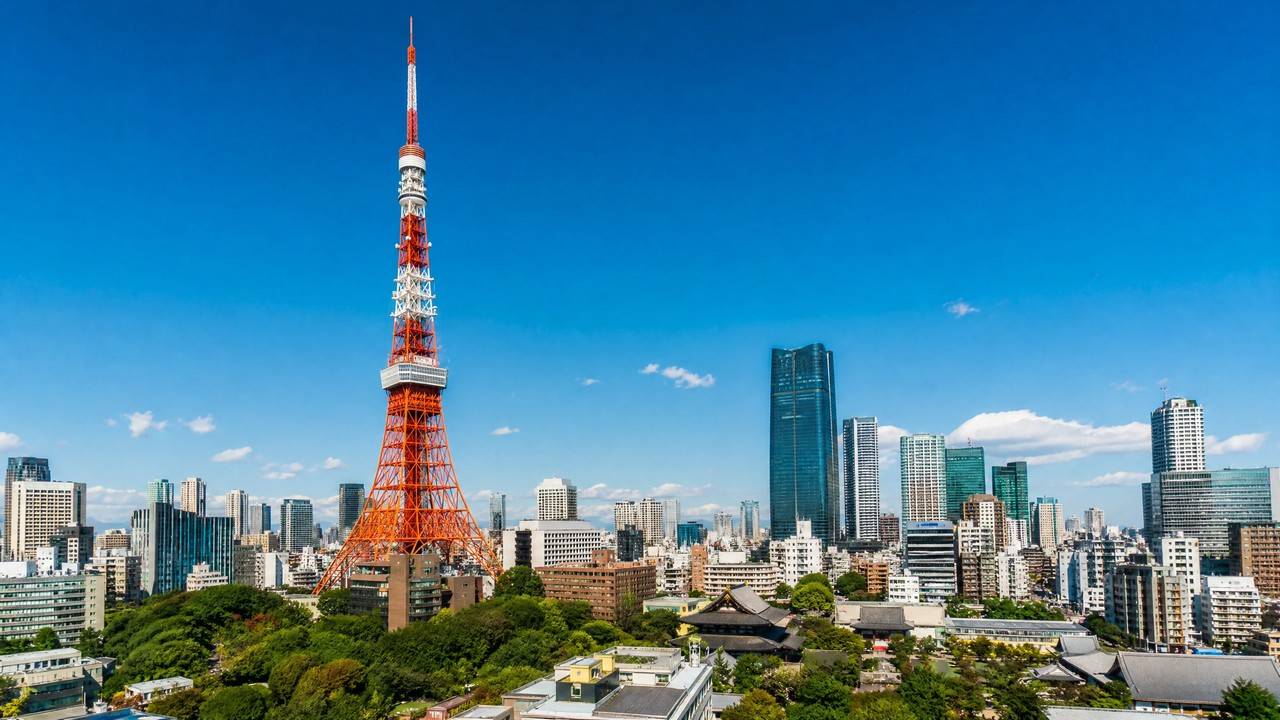
- Tokyo Tower (Minato City): The red iron tower's observation deck offers panoramic views of Tokyo. Main observatory ticket: ¥1,200 (approx. $8 / ¥54 CNY). Opening hours: 9:00–23:00. Suggested visit duration: 1.5 hours.
- Meiji Jingu Shrine (Shibuya City): A large shrine in the heart of the city, with a forest path of about 1 km in total. Free admission. Main hall worship hours: sunrise to sunset. Suggested visit duration: 1 hour.
Kyoto and Osaka.
- Kiyomizu-dera Temple (Higashiyama Ward, Kyoto): A stage built on a hillside, especially spectacular during spring cherry blossoms and autumn foliage. Admission: ¥400 (approx. $2.5 / ¥18 CNY). Opening hours: 6:00–18:00. Suggested visit duration: 2 hours.
- Fushimi Inari Taisha Shrine (Fushimi Ward, Kyoto): Thousands of red torii gates stretching through the mountainside. Free admission. Round-trip hike takes about 2 hours. Open 24 hours.
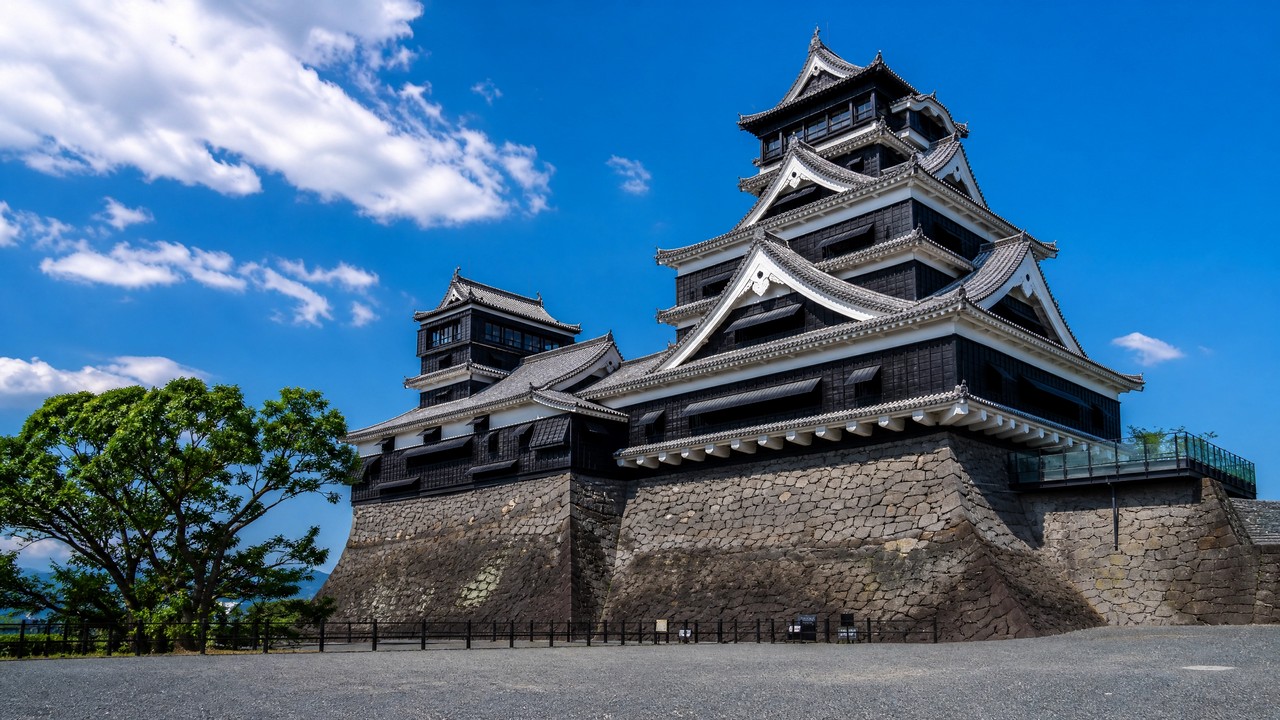
- Osaka Castle (Chuo Ward, Osaka): The main keep houses a history museum. Admission: ¥600 (approx. $4 / ¥27 CNY). Opening hours: 9:00–17:00. Suggested visit duration: 1.5 hours.
If time permits, Nara Park (Nara City) with its Todaiji Temple and deer is worth a half-day trip. Todaiji's Great Buddha Hall admission is ¥800 (approx. $5 / ¥36 CNY), open 7:30–17:30. The park itself is free.
5. Recommended Itineraries
3-Day Classic (Tokyo): Day 1 — Senso-ji Temple, Tokyo Skytree, Ueno Park; Day 2 — Meiji Jingu Shrine, Harajuku, Shibuya; Day 3 — Tokyo Tower or Odaiba, then depart in the afternoon. This pace suits first-time visitors focused on city sightseeing.
5-Day Extended (Tokyo + Mt. Fuji): Days 1–2 — follow the central Tokyo route; Day 3 — take a bus from Shinjuku to Lake Kawaguchi and check into a hot spring inn; Day 4 — visit Mt. Fuji's Fifth Station or cycle around the lake; Day 5 — return to Tokyo. The Lake Kawaguchi area has changeable weather, so it is advisable to keep Day 4 flexible.
7-Day Panorama (Tokyo + Kyoto + Osaka): Days 1–2 — central Tokyo; Day 3 — take the Shinkansen to Kyoto and visit Kiyomizu-dera Temple and Gion; Day 4 — Fushimi Inari Taisha Shrine plus a half-day trip to Nara; Day 5 — head to Osaka and visit Osaka Castle and Dotonbori; Day 6 — Universal Studios Japan or a free shopping day; Day 7 — depart from Kansai Airport. The Shinkansen ride is long; storing luggage at the hotel can lighten the load.
It is recommended to visit no more than 3 attractions per day. Many temples in Kyoto are far apart — combining buses and walking is more efficient than the subway. Purchasing a one-day bus pass (¥900, approx. $6 / ¥41 CNY) offers better value.
6. Food Recommendations
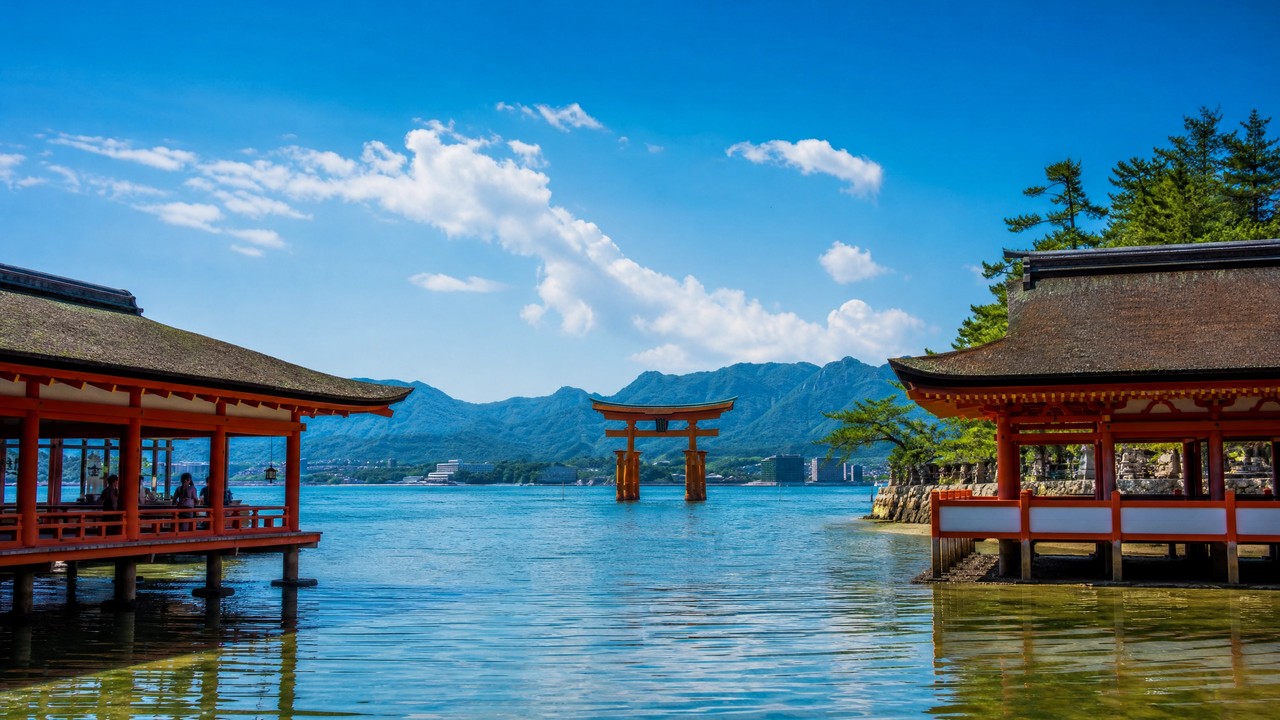
Sushi, ramen, tempura, and Wagyu yakiniku (grilled beef) are the top choices for most visitors. Tsukiji Outer Market (Tokyo) and Kuromon Market (Osaka) are great for seafood and street food; Kyoto is renowned for yudofu (tofu hot pot), matcha desserts, and kaiseki cuisine. Street-side ramen shops average ¥800–1,200 per person ($5–8 / ¥36–54 CNY), mid-range sushi restaurants offer lunch sets around ¥3,000–5,000 ($19–31 / ¥135–225 CNY), and high-end kaiseki dinners can reach ¥20,000 ($126 / ¥900 CNY) or more.
Avoid two common pitfalls: first, choosing tourist-oriented restaurants right by the main entrances of popular attractions, where quality and prices are often disappointing — use the length of the local queue as a screening criterion instead; second, overlooking the value of convenience stores. The onigiri (rice balls), fried chicken, and desserts at 7-Eleven, FamilyMart, and Lawson are consistently good quality and offer excellent value for breakfast or a late-night snack.
7. Practical Tips
Safety: Japan generally has good public security, but during typhoon season (June–October), pay attention to weather alerts. The Japan Meteorological Agency pushes disaster warnings to mobile phones; it is recommended to enable roaming or download the official app "NERV" (or "Safety tips"). During an earthquake, stay calm and follow hotel instructions.
Language: Japanese is the main language. Hotels and department stores in Tokyo, Kyoto, and Osaka generally can handle simple English, and Chinese-speaking services are also common in popular shopping areas. Stations in remote areas are mainly in Japanese, so downloading an offline translation app in advance is helpful.
Payment: Cash is still widely used at temples, small restaurants, and vending machines, though the convenience of ATMs nationwide has greatly improved. IC cards such as Suica can be recharged directly from a linked bank card (supported on iOS), with no cash required. Large shopping malls and chain stores accept credit cards and QR code payments, and Alipay and WeChat Pay are widely accepted at duty-free shops.
Communication: International roaming daily packages from Chinese carriers cost about 20–30 RMB per day; travelers can also purchase an eSIM before departure or pick up a portable Wi-Fi device at the airport upon arrival. Most cafés and stations offer free Wi-Fi, but email login is usually required.
8. FAQ
What kind of visa do I need to go to Japan?
Chinese citizens need to apply for a tourist visa in advance through an agency designated by Japanese embassies/consulates. A single-entry tourist visa usually allows a stay of 15 days. Visa fees vary by agency; required materials include passport, employment certificate, itinerary, etc. (as of August 2026, source: Ministry of Foreign Affairs of Japan). It is recommended to apply at least one month in advance.
What should I pay attention to when traveling to Japan in August 2026?
August has high temperatures and high humidity, so prepare sun protection and a portable water bottle. August 13–16 is the Obon holiday period, when Shinkansen, long-distance buses, and hotels are extremely tight—be sure to book well in advance and allow extra buffer time. Fireworks displays and Bon-odori dances are held in many places across the country, making this a rare window to experience Japanese summer culture.
What is the difference between the Japanese subway and JR?
Subways are operated by each city and mainly serve urban areas; JR is a railway company that covers the Shinkansen, Narita Express, and the Yamanote Line, among others. Most intercity travel relies on JR, while short trips within a city depend on the specific line. The same platform may have both JR and subway ticket gates, so pay attention to the gate signs.
Is the JR Rail Pass worth buying?
If you take the Shinkansen round trip between Tokyo and Osaka at least once within 7 days, the pass can clearly save money; if you only move within one city, buying an IC card instead is better. In 2026 the pass comes in national and regional versions. Before purchasing, be sure to calculate the total of all one-way ticket fares for your entire itinerary.
Is it convenient to use US dollars in Japan?
No. US dollar cash is not directly accepted at ordinary merchants; you need to exchange it into yen at a bank or airport. Airport exchange rates for USD to JPY are usually lower than those at city banks, so it is recommended to exchange in batches or use a UnionPay card to withdraw cash from local ATMs.
Practical Resources
I. Reference Materials (Official Source Links)
- Japan National Tourism Organization (JNTO) — Japan's government-affiliated tourism promotion agency, providing information on attractions, events, and accommodation
- Japan Meteorological Agency — Weather forecasts, cherry blossom season predictions, and disaster alert issuer
- East Japan Railway Company (JR East) — JR routes, ticket types, and rail pass policy
- Ministry of Foreign Affairs of Japan — Visa policy and consulate information
II. About USITrip
USITrip has been deeply engaged in destination travel services for many years and can provide itinerary planning, transport connections, and customized small group consulting for travelers planning to visit Japan. To save research time, visit the official website at https://www.usitrip.com/ or call the China hotline 400-998-8038.
Recommended Products
More Popular Experiences
![6 days [Impression of Japan·Exclusive fun] Tokyo + Mount Fuji + Shizuoka + Kyoto + Kansai | Full local four-diamond hotel + special meals + free airport pick-up](https://qiniu.usitour.com/images/picture/2024/06/detail_52_666fe4a8cabf4.jpg?imageView2=2&w=1920&q=70&format=webp)
![Summer only [Hakone & Atami Fireworks 1-day tour] Tokyo + Hakone + Lake Ashi + Hakone Shrine + Atami Port | Atami Maritime Fireworks Festival | Atami Summer Festival | Minimum order of 2 people](https://qiniu.usitour.com/images/picture/detail_8_1412103559_jp_tk_tk.jpg?imageView2=2&w=1920&q=70&format=webp)
![[Japan·Tokushima 1-day tour] Tokushima Naruto Whirlpool Boat + Otsuka Museum of Art + Reishanji Temple + Happy Pancake Shop + Akashi Kaikyo Bridge | Minimum order of 2 people for a small group](https://qiniu.usitour.com/images/picture/2025/08/detail_58_68955d9423764.jpg?imageView2=2&w=1920&q=70&format=webp)
![5 days [Exquisite small group of 2-9 persons·Universal Studios point-to-point transfer] Osaka + Nara + Kyoto + Fushimi Inari Taisha Shrine + Kiyomizudera + Kyoto Sanzenin + Kifune Shrine + Arashiyama | Free airport transfer | Chinese speaking driver](https://qiniu.usitour.com/images/picture/2024/06/detail_58_6670091c3597f.jpg?imageView2=2&w=1920&q=70&format=webp)