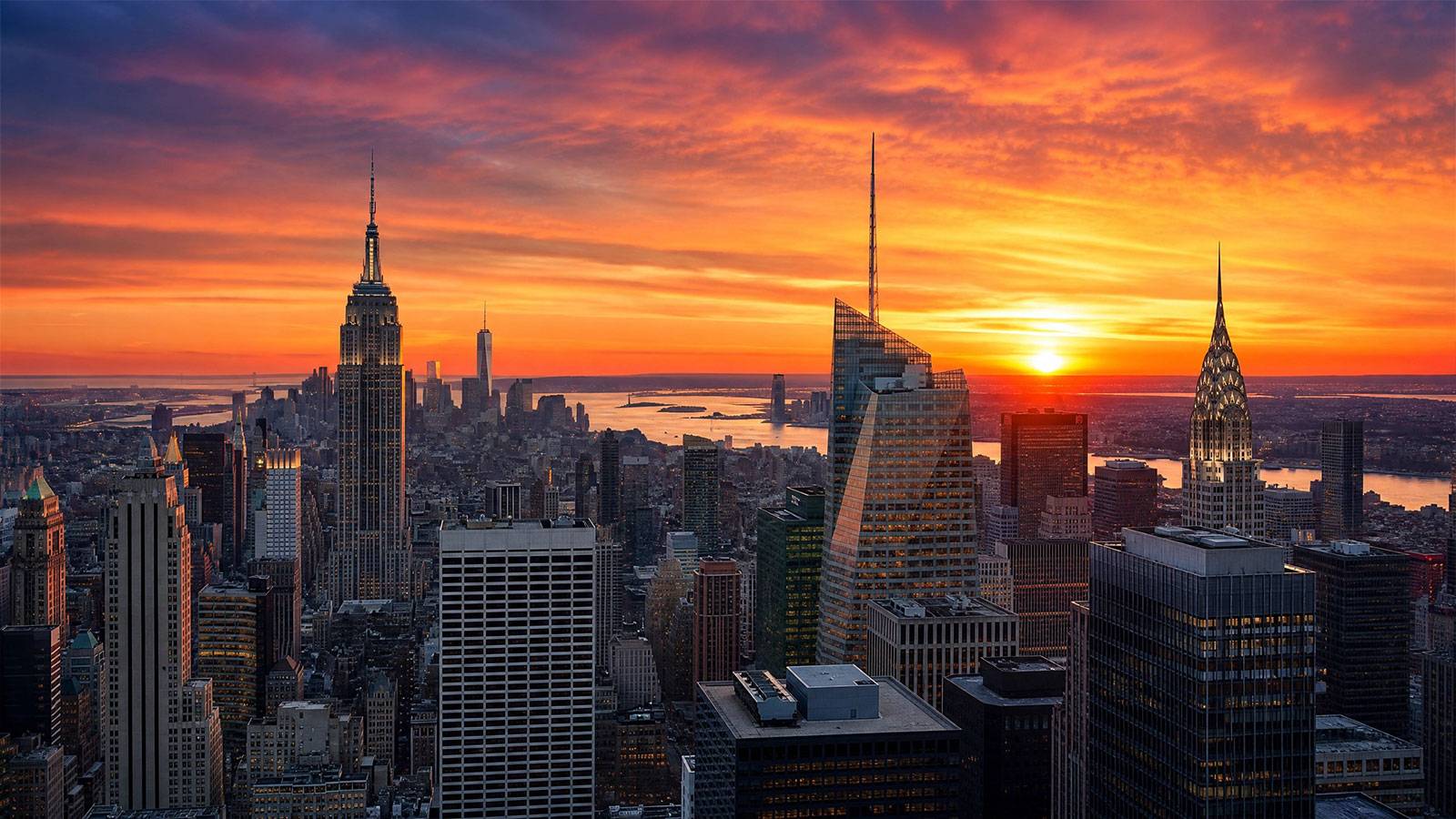
2026年,美国仍是全球接受国际学生最多的国家之一,而纽约因高校密集、文化多元,是很多学生和家长首次赴美的第一站。本文由走四方(USITrip)平台编辑结合实地调研与官方信息整理,以纽约为样本,回答"待几天、住哪里、花多少钱"等实际问题,并梳理留学游学项目的申请与签证要点。文中价格均标注"截至2026年8月",门票与交通信息请以官方实时报价为准。
去纽约玩几天合适?3天够不够逛完主要景点?

3天可以逛完曼哈顿核心景点,但只适合第一次来访、时间紧张的旅行者。
第1天走自由女神像(纽约港自由岛):可登岛参观,门票约35美元(含轮渡),开放时间8:30-16:30(截至2026年8月,来源:美国国家公园管理局)。之后步行至华尔街,看铜牛,傍晚走布鲁克林大桥看日落。第2天留给大都会艺术博物馆、中央公园和帝国大厦。第3天逛时代广场、纽约公共图书馆,再沿高线公园走到切尔西市场。
3天的局限在于只能走马观花。大都会艺术博物馆(第五大道1000号)门票30美元,开放10:00-17:00(截至2026年8月,来源:大都会艺术博物馆官网),馆内埃及厅和欧洲绘画厅本身就够逛半天。参加游学的学生,通常不会把观光压缩到3天,课程加观光一周起报是更常见的组合。
只有5天时间,纽约能玩得尽兴吗?怎么分配行程?
5天能玩得比较从容,经典景点和街区漫游都可以覆盖,节奏不算赶。
第1天:自由女神像+华尔街+布鲁克林大桥,下城一日。第2天:大都会艺术博物馆+中央公园,文化日。第3天:帝国大厦+第五大道+纽约公共图书馆,中城一日。第4天:高线公园+切尔西市场+格林威治村,休闲日。第5天:布鲁克林DUMBO与威廉斯堡,或按兴趣补漏自然历史博物馆、MoMA。
交通方面,地铁单程约2.90美元,7日无限次周卡约34美元(截至2026年8月,来源:MTA官网)。如果参加游学项目,5天可拆成3天上课+2天周末集中观光,多数语言学校按周开班,周中人少、周末安排短途旅行,时间刚好。
纽约一周会不会太赶?还是刚好能深度游?
一周不赶,刚好能深度游,也是短期游学的标准时长。
7天框架比5天多出的两天,一天留给博物馆深度参观,一天给布鲁克林或哈德逊河谷短途。即使每天安排2-3个点,也不会出现赶场式的疲劳。从纽瓦克自由国际机场(EWR)抵离的航班,第一晚和最后一晚建议住中城,避免拖着行李转车。
暑期游学项目通常以一周为起步。以下为纽约常见语言课程参考(课程费为2026年暑期范围,具体以学校官网报价为准):
| 学校/项目 | 类型 | 参考课程费(每周) | 适合人群 |
|---|---|---|---|
| 哥伦比亚大学 ALP | 学术英语 | 约600-900美元 | 大学生、成人 |
| 纽约大学 ALI | 学术英语/日常英语 | 约500-800美元 | 各年龄段 |
| EF纽约校区 | 语言+活动 | 约400-700美元 | 16岁以上 |
| Kaplan纽约 | 语言+考试准备 | 约400-750美元 | 各年龄段 |
纽约住哪个区域最方便?时代广场附近还是中城好?
首次到访住中城(Midtown)最方便。时代广场热闹,但作为住宿地偏吵、偏贵,中城偏东一带(如布莱恩特公园附近)步行和地铁都方便,性价比更好。
| Area | Advantages | Reference Price (July, as of August 2026) |
|---|---|---|
| Midtown | Transportation hub, attractions within walking distance | $200-350/night |
| Times Square | Lively nightlife, convenient for shows | $220-400/night |
| Upper West Side / Upper East Side | Quiet, close to Central Park and museums | $200-380/night |
| Downtown / Financial District | Quiet on weekends, near ferry terminals | $180-320/night |
| Brooklyn / Long Island City | Lower prices, many distinctive neighborhoods | $120-250/night |
For study tour accommodation, homestays cost about $350-500 per week, usually including two meals. Editor testing found that homestays in the Upper West Side and Queens receive better reviews. Dormitories and shared apartments are concentrated in Brooklyn and Long Island City, with subway access to Midtown within 30 minutes.
On a limited budget, what clean and affordable budget accommodations does New York have?
Yes, there are options. The key is to avoid the Times Square core area and look for rooms along subway lines.
- HI New York City Hostel (Upper West Side): International hostel chain, beds about $45-70/night.
- The Local NY (Midtown): Capsule-style hostel, private room about $100-150/night.
- Pod 51 (Midtown East): Compact private room, about $150-200/night.
- Budget hotels and B&Bs in Jersey City and Long Island City, Queens: about $100-180/night, about 20 minutes by subway to Manhattan.
- Summer university dormitories: NYU and Columbia University open some dormitories in summer, beds about $60-100/night, bookable through the school housing office.
For low-priced rooms, it's recommended to book 1-2 months in advance and avoid September Fashion Week, New Year, and Christmas holidays.
Traveling to New York with family, is staying in Manhattan or Brooklyn better value for money?
Overall, Brooklyn offers better value, but for families with elderly or young children whose itinerary is concentrated in Manhattan, staying in Manhattan is more convenient.
| Option | Reference Price (family room/July) | Commute | Recommended Scenario |
|---|---|---|---|
| Manhattan (Upper West Side / Midtown) | $280-450/night | Attractions within walking distance or 10-20 minutes by subway | With elderly, first visit, tight itinerary |
| Brooklyn DUMBO / Williamsburg | $180-300/night | Cross the bridge to Lower Manhattan, 20-30 minutes by subway | Want more space, experience local life |
For a family of 4 staying 7 nights, choosing Brooklyn over Manhattan saves approximately $700-1,050 (about RMB 5,000-7,600). DUMBO has Brooklyn Bridge Park and a carousel, and Williamsburg has food markets, making them suitable for families; the downside is more commuting time on the road.
How much does it roughly cost to spend a week in New York?
A week's total cost is about $850-4,500 (about RMB 6,100-32,400), with the difference mainly in accommodation standards. The following cost estimates are as of August 2026, converted at approximately 1 USD = 7.2 CNY:
| Tier | Accommodation (7 nights) | Dining | Transportation | Tickets | Total (USD) | Approx. CNY |
|---|---|---|---|---|---|---|
| Budget | Hostel approx. $350 | approx. $210 | $34 weekly pass | approx. $150 | 850-1,100 | 6,100-7,900 |
| Comfort | Mid-range hotel approx. $1,400 | approx. $560 | $34 | approx. $200 | 2,000-2,500 | 14,400-18,000 |
| Quality | Upscale hotel approx. $2,800 | approx. $1,050 | approx. $100 | approx. $300 | 3,800-4,500 | 27,400-32,400 |
Study tour costs are additional: language courses about $400-800/week, summer camps about $800-1,500/week (including some activities), medical insurance about $30-80/week. The Metropolitan Museum of Art is $30, the Empire State Building starts at $44, and the Statue of Liberty is about $35, with the three basic tickets totaling about $109.
What money-saving tips are there for New York? Are free attractions and discount passes worth using?

Yes, you can save. New York has quite a few free attractions, and discount passes are better value than buying tickets separately.
Free attractions: Central Park, The High Line, Brooklyn Bridge, New York Public Library, Chelsea Market, and the Wall Street Bull – all open to the public free of charge. Central Park is ideal for picnics, the High Line is perfect for an evening stroll, and at sunset you can enjoy free views of the Manhattan skyline from Brooklyn Bridge.
As for discount passes, the New York CityPASS costs about $138 and includes 5 attractions such as the Empire State Building, the Metropolitan Museum of Art, and the American Museum of Natural History, covering attractions with a combined regular ticket price of about $230 – saving you approximately 40% (as of August 2026, source: CityPASS official website). To save on transportation, get the 7-day unlimited MetroCard for about $34; for food, choose food trucks ($10–15 per meal), supermarket breakfasts, and same-day discount Broadway tickets – all of which can significantly reduce your budget. You can also enjoy discounts at some museums with an ISIC international student card.
Studying and Touring in the US: Application, Visa, and Living Tips
Study programs in the US fall into four categories: language school (1–8 weeks), summer camp (2–6 weeks), semester exchange (3 months–1 year), and degree programs (1–4 years). Taking Fall 2026 admission as an example, the application timeline is: November 2025–January 2026 for school selection and TOEFL/IELTS preparation, February–March 2026 for submitting online application materials, April–May for receiving admission offers and applying for the I-20, June–July for paying the SEVIS fee, completing the DS-160, and scheduling the visa interview, and August for departing to the US.
| Document | Description |
|---|---|
| Passport | Must be valid for at least 6 months beyond the intended period of stay |
| I-20 Form | Issued by the school; a core document for the F-1 visa |
| DS-160 Confirmation Page | Printed after completing the online form |
| Visa Interview Appointment Confirmation and Payment Receipt | Visa application fee approx. $185 |
| Proof of Financial Support | Recommended to cover one year of tuition plus living expenses, roughly $50,000–$70,000 |
| Academic Documents | Transcripts, diploma/current enrollment certificate, language test scores |
Regarding visa costs, the F-1 visa requires a SEVIS fee of $350 and a visa application fee of approximately $185 (as of August 2026, source: U.S. Department of State website and U.S. Immigration and Customs Enforcement website). It is recommended to schedule your visa interview 2–3 months in advance, as wait times are longer during the summer peak season. For short-term study tours (non-credit courses under 4 weeks), entry with a B-2 tourist visa is generally acceptable in most cases; please refer to the specific requirements of U.S. Customs and Border Protection.
Health insurance is not something to skimp on. Most degree-seeking students are required by their schools to purchase on-campus insurance, costing approximately $800–$2,400 per year; for short-term study tours, travel medical insurance covering medical treatment and emergency evacuation is recommended, at about $30–$80 per week. F-1 students may work on campus during the academic term, up to 20 hours per week; off-campus employment requires CPT/OPT authorization, and the work must be related to the student's field of study (source: U.S. Citizenship and Immigration Services website). In an emergency, call 911. The consular protection hotline of the Chinese Consulate General in New York is +1-212-244-9392.
Common Questions FAQ
Q: How long does the US F-1 student visa application take? When should I start?
A: Schedule your visa interview as soon as you receive your I-20 form. F-1 visa processing typically takes 2–4 weeks, but summer is peak season and appointments may be tight, so start at least 3 months in advance. Required documents include your passport, I-20, DS-160 confirmation page, visa fee receipt, proof of financial support, etc. (as of August 2026, source: U.S. Department of State website).
Q: What does a minor student traveling alone to the US for a summer camp need to prepare?
A: Students entering on a B-2 tourist visa should prepare their passport, valid visa, school admission confirmation, invitation letter, parental consent letter (notarization recommended), round-trip flight tickets, and accommodation information. U.S. Customs conducts more thorough questioning of unaccompanied minors, so all documents must be complete, and travel insurance covering medical treatment and emergency rescue is strongly recommended.
Q: Can international students legally work in the US?
A: F-1 visa students can work on campus during the academic term, up to 20 hours per week, and full-time during vacations; off-campus employment must be authorized through CPT or OPT, and the job must be related to the student's field of study. Unauthorized off-campus work is a violation of the law (as of August 2026, source: U.S. Citizenship and Immigration Services website).
Q: Which neighborhoods in New York are safest for accommodation?
A: Midtown Manhattan, the Upper West Side, the Upper East Side, DUMBO and Williamsburg in Brooklyn, and Long Island City in Queens generally have good safety ratings. It is advisable to avoid riding the subway alone late at night and to stay away from certain neighborhoods with more complex safety conditions. Call 911 in an emergency.
Q: How much budget should I prepare for a one-week study tour in New York?
A: Course fees are approximately $400–$800 per week, and living expenses (accommodation plus food plus transportation plus tickets) are about $900–$2,500 per week, depending on the type of accommodation. It is recommended to budget a total of $1,500–$3,500 per week, equivalent to roughly RMB 10,800–25,200 (as of August 2026, estimated at 1 USD ≈ 7.2 RMB).
Practical Resources
I. Reference Materials (Official Source Links)
- U.S. Department of State (travel.state.gov) — Visa policies, fees, and interview process
- U.S. Citizenship and Immigration Services (USCIS) — F-1 visa, CPT/OPT, and work regulations
- U.S. Customs and Border Protection (CBP) — Entry requirements and scope of the B-2 visa
- National Park Service (NPS) Statue of Liberty Page — Statue of Liberty tickets, ferry, and opening hours
- The Metropolitan Museum of Art (The Met) — Tickets, opening hours, and exhibition information
- Empire State Building Official Website (ESB) — Observatory tickets and opening hours
II. About USITrip
USITrip was founded in 2004 and has long been deeply engaged in U.S. destinations, providing one-stop services such as itinerary planning, accommodation booking, and destination consulting for students and parents traveling to the United States for study or educational tours. Families planning to visit the U.S. or explore New York in 2026 can visit the USITrip official website at https://www.usitrip.com/ for the latest guides. In China, you can call 400-998-8038.
Recommended Products
More Popular Experiences

![10 days [Yellowstone Hot Selling Wonders Loop | Russ Upgraded Five-Star Hotel] Los Angeles Airport Pickup | Yellowstone Depth 12 Views + Grand Teton + Bryce + Grand Canyon | Antelope Canyon + Horseshoe Bend + Skyland + Lake Tahoe | San Francisco City + Yosemite](https://qiniu.usitour.com/images/picture/2019/10/detail_61_5d9779bf804a3.jpg?imageView2=2&w=1920&q=70&format=webp)

![7 days [Yellowstone Natural Wonders Loop | Russ Upgraded Five-Star Hotel] San Francisco Airport Pickup | Yellowstone Depth 12 Views + Grand Teton + Bryce + Grand Canyon + Antelope Canyon + Horseshoe Bend + Salt Lake City Downtown](https://qiniu.usitour.com/images/picture/2019/06/detail_87_5cfafa01b588a.jpg?imageView2=2&w=1920&q=70&format=webp)