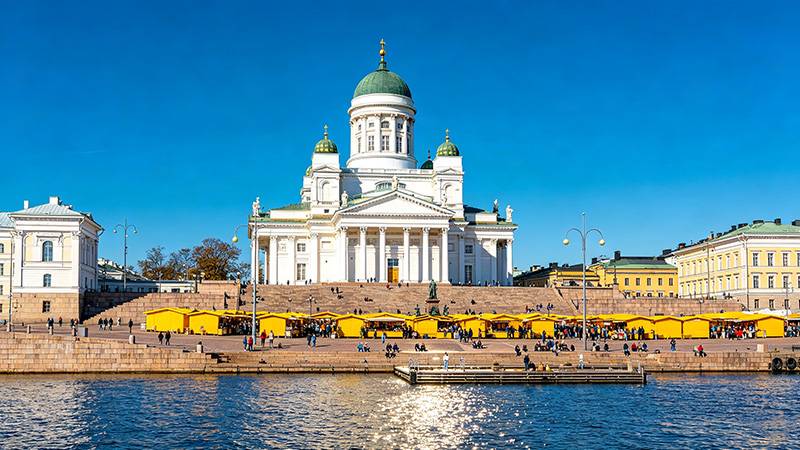
Quick Facts
For families planning to study or go on study tours in Finland, 2026 is a year with relatively stable policies and clear application windows: tuition fee ranges for non-EU students, residence permit financial requirements, and work-hour rules have all been implemented over the past two years, with transparent information available through official channels. This guide is based on official information from the Studyinfo website (Finland's national education application platform) and the Finnish Immigration Service (Migri), combined with editorial research and user feedback from the platform. All prices and policies are current as of September 2026, with exchange rates calculated at 1 EUR ≈ 1.16 USD ≈ 8.3 CNY (updated on 2026-09-08).
What Types of Study Abroad and Study Tour Programs Are Available in Finland? Who Are They Suitable For?
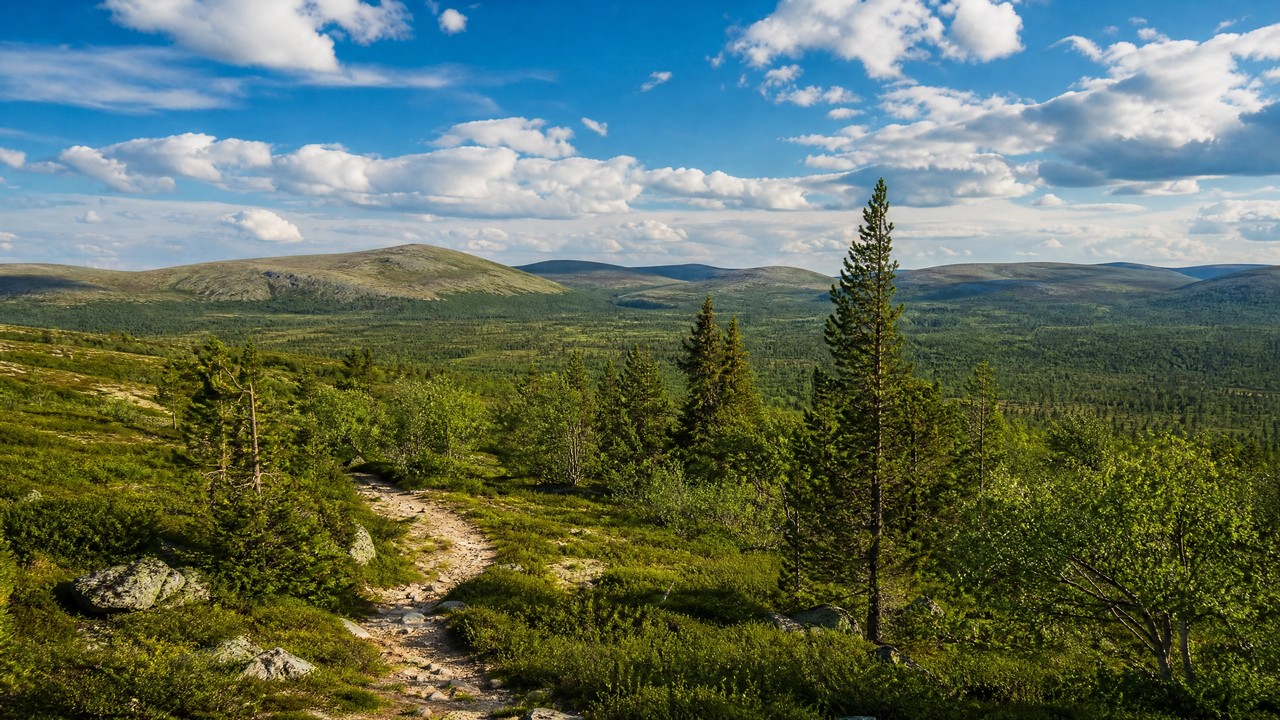
Finland has 13 comprehensive universities and approximately 22 universities of applied sciences (UAS), offering international students over 500 English-taught bachelor's and master's programs (as of September 2026, source: Studyinfo official website). This Nordic country has also ranked first in the UN's World Happiness Report for 8 consecutive years (2018–2025) (source: World Happiness Report official website), and its "phenomenon-based teaching" in basic education has become a popular theme for educational study tours.
By goal and age, programs can be divided into three categories:
Degree programs (suitable for high school/bachelor's graduates): bachelor's programs last 3 years and master's programs mostly 2 years, taught in English; comprehensive universities lean toward academic research, while universities of applied sciences emphasize professional practice and include mandatory internship semesters.
Educational summer camps (suitable for primary and secondary school students aged 10–17): lasting 1–4 weeks, covering classroom experiences, nature education, and Arctic Circle ice-and-snow programs. A common combination is "Helsinki classroom + Rovaniemi Santa Claus Village," with reference prices of €2,500–4,500 for 2–3 weeks (including accommodation and meals, excluding flights, subject to the organizer's quotation). For registration, it is recommended to verify credentials through reputable platforms such as USITrip or school-authorized channels.
Language schools/summer schools (suitable for university students and working professionals): Finnish language and culture courses, intensive English courses, 2–8 weeks, tuition approximately €250–500/week (excluding accommodation).
Which Schools Are Worth Recommending? How Expensive Is Tuition?
Non-EU students have been required to pay tuition fees since 2017, with significant differences across cities and majors. Below is a comparison of six representative institutions and programs (as of September 2026, tuition fees are subject to each school's program page on Studyinfo):
| Institution/Program | City | Strengths | Tuition (Non-EU) | Language Requirements |
|---|---|---|---|---|
| University of Helsinki | Helsinki | Education, Environment, Computer Science, Sciences (Master's) | €13,000–18,000/year ($15,100–20,900 / ¥108,000–149,000) | IELTS 6.5 |
| Aalto University | Espoo (Greater Helsinki) | Business, Design, Engineering (Bachelor's & Master's) | €12,000–15,000/year ($14,000–17,400 / ¥100,000–125,000) | IELTS 6.5 |
| University of Tampere | Tampere | Media, Social Sciences, Sustainable Technology (Master's) | €10,000–12,000/year ($11,600–14,000 / ¥83,000–100,000) | IELTS 6.5 |
| University of Turku | Turku | Biomedicine, Maritime Studies, Pharmacy | approx. €9,000–12,000/year ($10,500–14,000 / ¥75,000–100,000) | IELTS 6.0–6.5 |
| Metropolia University of Applied Sciences | Helsinki | Bachelor's: Engineering, Nursing, Business | approx. €11,000–12,000/year ($12,800–14,000 / ¥91,000–100,000) | IELTS 6.0 |
| Educational summer camps | Helsinki/Rovaniemi, etc. | Primary/secondary school experience camps, ice-and-snow camps | €2,500–4,500 for 2–3 weeks ($2,900–5,200 / ¥20,800–37,400) | None required |
There are two paths for scholarships. The government-established Finland Scholarship is aimed at new non-EU/EEA master's students; upon admission, first-year tuition is waived, along with an additional €5,000 ($5,800 / ¥41,500) grant—simply tick the option when applying via Studyinfo (as of September 2026, source: Studyinfo official website). Universities also offer their own merit-based scholarships reducing tuition by 25%–100%, announced together with admission results; undergraduate scholarships at universities of applied sciences are relatively limited and require separate applications after admission.
How Do You Apply to Study in Finland? What Are the Timeline and Required Materials?
Taking Fall 2026 enrollment as an example, the complete cycle takes approximately 12–14 months:
- September–November 2025: Search for programs by field of study on Studyinfo, prepare for IELTS
- December 2025–January 2026: Online applications open. The joint application window for undergraduate programs usually lasts about 2 weeks (generally set in early-to-mid January); most master's programs have deadlines between December and mid-January
- February–April 2026: Universities of Applied Sciences organize online entrance exams or interviews; some master's programs require additional documents
- March–May 2026: Admission results are released gradually
- May–June 2026: Accept the offer and pay tuition; the payment receipt will be needed for the subsequent residence permit application
- June–July 2026: Submit the residence permit application on Enter Finland, book an appointment at the Finnish embassy/consulate in China to provide biometric information
- August 2026: Once approved, book flights and apply for student housing
- Late August–early September 2026: Arrive in Finland for the start of the semester
Required documents:
| Document | Requirements and Notes |
|---|---|
| Academic credentials and transcripts | High school/bachelor's diploma or certificate of enrollment + transcripts, in English or with certified translations |
| Language test scores | IELTS 6.0–6.5 (or equivalent TOEFL score, subject to program requirements) |
| Passport | Valid for the entire duration of study |
| Motivation letter/personal statement | Required for master's and some undergraduate programs |
| Recommendation letters | 1–2 letters required for some master's programs |
| Portfolio | Required for art and design programs |
| Entrance exam/interview | Common for undergraduate programs at Universities of Applied Sciences, conducted online |
| Proof of funds | Residence permit stage: approx. €9,600/year ($11,200 / ¥80,000) |
Applications are completed online on Studyinfo; no application fee is charged.
How Much Does It Actually Cost to Study in Finland for a Year in 2026?
Key expenses broken down in three currencies (as of September 2026):
| Expense Item | Euro EUR | US Dollar USD | Chinese Yuan CNY |
|---|---|---|---|
| Master's tuition (non-EU) | €8,000–18,000/year | $9,300–20,900 | ¥66,000–149,000 |
| Bachelor's tuition (non-EU) | €6,000–13,000/year | $7,000–15,100 | ¥50,000–108,000 |
| Student housing | €280–650/month | $330–760 | ¥2,300–5,400 |
| Food (including student cafeterias) | €250–350/month | $290–410 | ¥2,100–2,900 |
| Monthly public transport pass (student price) | €35–45/month | $41–52 | ¥290–370 |
| Phone and internet | €15–25/month | $17–29 | ¥125–210 |
| Residence permit application fee | €350 per application | $410 | ¥2,900 |
| Private health insurance | €300–600/year | $350–700 | ¥2,500–5,000 |
A meal at a student cafeteria costs around €3–5. Overall estimates: total annual expenses for non-EU students come to approximately €15,000–30,000 ($17,400–34,900 / ¥124,500–249,000, including tuition and basic living costs); Helsinki has the highest cost of living, while cities like Tampere and Turku can be 10%–20% cheaper. As for study tours, a 2–3 week summer camp costs approximately €2,500–4,500 ($2,900–5,200 / ¥20,800–37,400), plus airfare—peak-season round-trip flights from Beijing/Shanghai to Helsinki cost around ¥5,000–10,000 (about $700–1,400, subject to airlines' real-time quotes).
How to Handle the Finnish Student Visa and Insurance? What Are the Hard Requirements?
Non-EU students pursuing a degree in Finland need to apply for a residence permit for studies, not a short-stay Schengen visa. The process: receive admission and pay tuition (if required by the school) → submit an application online via the Finnish Immigration Service's Enter Finland portal, with a fee of approximately €350 ($410 / ¥2,900) → book an appointment at the Finnish embassy/consulate in China (Beijing, Shanghai, Guangzhou) to provide fingerprints → processing usually takes 1–3 months; it is recommended to submit 3 months before the semester starts.
Requirements (as of September 2026, source: Migri official website):
- Proof of funds: €800 per month ($930 / ¥6,600), approximately €9,600 per year, deposited in an account in your own name
- Permit duration: generally issued for the length of the study program; after graduation, you can apply for a job-seeking residence permit of up to 2 years
- Work: an average of 30 hours per week during semesters, with no hour limits during breaks
Insurance falls into three scenarios. Students with residence permits shorter than 2 years must purchase private health insurance with medical coverage of no less than €40,000 ($46,500 / ¥332,000) (source: Migri official website); degree programs are usually ≥2 years, and after completing local population registration, students can access public healthcare through Kela (the Social Insurance Institution of Finland) (source: Kela official website), though private insurance is still recommended to cover dental, property, and accident risks; for short-term study camps, insurance including medical assistance must be purchased by the organizer or parents.
Where to Live in Finland, How to Get Around, and Can You Work?
Accommodation: Prioritize applying to student housing foundations—HOAS in Helsinki, TYS in Turku, and TOAS in Tampere. A room in a shared apartment costs about €280–450/month, and an independent studio about €500–650/month (as of September 2026, source: official websites of each foundation). Dormitories are in short supply year-round, so join the queue and apply immediately after receiving your admission offer; off-campus studio apartments in central Helsinki generally cost over €800 and offer poor value for money.
Transportation:
- Helsinki Airport → city center: commuter trains I/P lines, about 30 minutes, fare about €4 ($4.6 / ¥33); many users report this is the most cost-effective option (as of September 2026, source: HSL official website)
- Monthly student pass for metro/trams/commuter trains within the city: about €35–45 ($41–52 / ¥290–370)
- Intercity: VR trains from Helsinki → Tampere take about 1.5–2 hours; advance tickets cost about €10–30
- Ferries: Helsinki → Tallinn takes about 2 hours; one-way fares as low as €20 ($23 / ¥170)
Safety: Finland consistently ranks in the top 15 of the Global Peace Index (source: Institute for Economics and Peace); the emergency number is 112. In winter (November–February), pay attention to three things: wear non-slip shoes, wear a reflector at night (legally required on some roads), and watch out for warnings about frozen lakes. In December, Helsinki has only about 6 hours of daylight; the keys to coping with the polar night are taking vitamin D supplements and maintaining regular exercise and social activity. Schools generally provide gyms and psychological support services.
Part-time work: With a student residence permit, you may work an average of up to 30 hours per week during the academic term, with no hour limits during school holidays (as of September 2026, source: Migri official website). Finland has no statutory minimum wage; hourly pay for restaurant, retail, food delivery, and tutoring jobs is about €9–14 ($10–16 / ¥75–116). You can find openings through your school's job platform and local recruitment websites.
Weekend trips: Experiencing the Nordics while pursuing a degree in Finland doesn't cost much. Tallinn's medieval old town is reachable by ferry for a day trip; Stockholm has overnight cruise routes of about 16 hours. A flight of about 1.5 hours takes you to Copenhagen, where you can visit the Little Mermaid statue (Langelinie Park, Copenhagen): a bronze landmark statue of Denmark, free to visit and open all day; Nyhavn (central Copenhagen): a 17th-century canal lined with colorful townhouses, perfect for a stroll along the waterfront; a train ride of about 45 minutes takes you to Helsingør, where you can visit Kronborg Castle: the setting of Shakespeare's Hamlet, admission about 145 Danish kroner (about €19), opening hours vary by season (as of September 2026, source: National Museum of Denmark). Heading north to Rovaniemi, you can take a VR train (about 8 hours by day train, about 12 hours by night train); Santa Claus Village sits right on the Arctic Circle, and there is no entrance fee to enter the village or meet Santa (as of September 2026, source: Visit Finland official website).
Finland Study Abroad & Study Tour FAQ
Q: Can I apply for degree programs in Finland without knowing any Finnish at all?
A: Yes. Finnish universities offer more than 500 English-taught bachelor's and master's programs for international students (as of September 2026, source: Studyinfo official website). You only need to provide IELTS or TOEFL scores to apply, and English is entirely sufficient for daily life and studies. Students planning to stay long-term can also take Finnish language courses organized by local authorities.
Q: How much money do parents need to prepare? What are the total annual costs?
A: Total annual expenses for non-EU students run about €15,000–30,000 ($17,400–34,900 / ¥124,500–249,000), with tuition making up the largest share. You need to prove funds of €800 per month when applying for a residence permit. If you receive a Finland Scholarship or a 50%–100% tuition waiver from the school, total costs can drop to about €8,000–15,000/year.
Q: Can middle and high school students join study tours? How is safety ensured?
A: Yes. Education-themed summer camps are open to students aged 10–17, with reference prices of €2,500–4,500 for 2–3 weeks (including room and board). When registering, verify the organizer's credentials, the teacher-to-student ratio of accompanying staff (a ratio of 1:8–1:10 is recommended), the accommodation arrangements, and the insurance terms. Minors must complete guardianship authorization procedures. Parents can consult platforms such as USITrip (Zousifang) about itineraries and pickup/drop-off arrangements, and purchase insurance with medical rescue coverage before departure.
Q: Can you stay and work in Finland after graduation?
A: Yes. After graduation, you can apply for a job-seeking residence permit valid for up to 2 years (as of September 2026, source: Migri official website), which can be used for job hunting or starting a business. Fields such as IT, engineering, nursing, and education have high demand. Once you find a job, you can switch to a work residence permit, and after accumulating a certain number of years, you can apply for permanent residence.
Q: Finland's winters are cold and dark—what if my child can't adapt?
A: Winter temperatures in Helsinki range from about -5℃ to -15℃, with even lower temperatures in the north, and daylight lasts only about 6 hours in December. Indoor spaces are generally heated, and schools provide gyms and psychological support services. Key coping strategies include taking vitamin D supplements and maintaining exercise and social activities. Most surveyed students said they adapted within 1–2 months, and ice and snow sports can significantly improve the winter experience.
Practical Resources
I. Reference Materials (Summary of Official Source Links)
- Studyinfo — Finland's national education application platform for searching degree programs, checking tuition fees, and applying online
- Finnish Immigration Service (Migri) — Residence permits for studies, proof of financial resources, and work-hour policies
- Finnish Social Insurance Institution (Kela) — Health insurance coverage for international students
- Helsinki Regional Transport Authority (HSL) — City transit tickets and student fares
- Visit Finland — Finland's national tourism organization, providing study tour and destination information
II. USITrip Service Support
USITrip was founded in 2004. Its expert team has long specialized in Nordic destinations, providing families planning study tours to Finland with one-stop services including summer camp consultation, customized itineraries, and flight bookings. To plan a study tour or study abroad itinerary in Finland, visit the official website at https://www.usitrip.com/ or call the China hotline at 400-998-8038.
Recommended Products
More Popular Experiences
![11 days [Guaranteed stay at Kelo Glass House to lie down and watch the Aurora | King crab fishing experience + luxury crab feast] Panoramic views of the three Nordic countries: Finland + Norway + Sweden | Polar Express train, one-stop experience of nine polar projects | Stay in four major landscape hotels | VIP small group of 6-15 people](https://qiniu.usitour.com/images/picture/2017-08/detail_80_1501866253.jpg?imageView2=2&w=1920&q=70&format=webp)
![9 days [Ice and Snow Aurora·Three Nordic Countries] Finland + Norway + Sweden | Full four-star hotel | King crab fishing + Whale watching in Tromso + Levi's Elf Nest + Santa Claus Village + Dog sledding + Snowmobile + Kemi Ice and Snow World | In and out of Helsinki](https://qiniu.usitour.com/images/picture/2018-09/detail_85_1538104747.jpg?imageView2=2&w=1920&q=70&format=webp)
![6-Day [Experience Icebreaker + King Crab Fishing & Tasting | Upgrade Glass Igloo Lie-Watch Aurora] Across Lapland: Finland + Sweden + Norway | Polar Aurora Activity Experience (Snowmobile/Dog Sledding/Polar Snowshoe) | Free Reindeer Farm](https://qiniu.usitour.com/images/picture/2017-08/detail_10_1501870855.jpg?imageView2=2&w=1920&q=70&format=webp)
![7 days [Full four-star hotel | Three Nordic countries·Polar Elf] Finland + Norway + Sweden | Rovaniemi + Tromso + Senja + Levi | Optional multiple special polar experience activities](https://qiniu.usitour.com/images/picture/2018-09/detail_57_1538269072.jpg?imageView2=2&w=1920&q=70&format=webp)