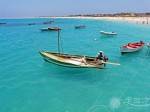
To be honest, I did a lot of research before going to Sal Island, but I was still blown away when I set foot on this land where volcanoes meet white sand. Cape Verde, this West African island nation, is about 570 km from the coast of Senegal, and Sal Island is the most favored by photographers among them — because it has salt mines that look like the "lunar surface," 15 km of continuous white sand beaches, and that equatorial sunlight that can turn you into charcoal. In January 2026, I joined a customized tour with usiTrip and stayed for 8 days. This guide contains all the pitfalls I encountered and the treasures I captured. Hope it helps you.
1. Route Overview
Suitable for: Landscape photographers, portrait enthusiasts, drone pilots (check no-fly zones), and light adventurers looking to escape winter.
Best time: November to May (dry season), with extremely high sky transparency and golden light at sunrise/sunset lasting nearly an hour. June to October is the rainy season; though there are occasional showers, the clouds are more dramatic, perfect for storm shots.
Route features: We followed the Sal Island photography highlights loop, starting from the capital Santa Maria, covering salt mines, white sand dunes, palm beaches, and volcanic rock coasts. At most 3 shooting spots per day, specially designed to avoid "rush tourism."
2. Itinerary (Table)
| Day | Itinerary | Accommodation | Meals |
|---|---|---|---|
| D1 | Arrive at Amílcar Cabral International Airport (SID), check in at Santa Maria Beach Resort, shoot fishing boat silhouettes at the pier in the evening. | Santa Maria Resort | Dinner: local seafood Cachupa (corn and bean stew) |
| D2 | Depart at 5:00 AM: Monte Leão Salt Mine (Salinas de Pedra de Lume) for sunrise reflections; 2:00 PM to East Coast White Sand Dunes (Palmeira Sand Dunes) for desert and ocean in one frame. | Same as D1 | Lunch: grilled octopus from food truck near salt mine; Dinner: hotel buffet |
| D3 | Full day: Shark Bay for lemon sharks (snorkeling + drone shots); Evening to Palm Beach (Praia de Palmeira) for palm silhouettes. | Palmeira B&B | Lunch: beach barbecue at Shark Bay; Dinner: homemade pasta at B&B |
| D4 | Early morning: street photography in Santa Maria Old Town; Afternoon: Praia de Ponta Preta for waves crashing on volcanic rocks. | Same as D1 | Lunch: stalls in old town square; Dinner: hotel restaurant |
| D5 | Charter car north: Baía de Bahia for mangroves and flamingos; Afternoon return to Santa Maria Lighthouse (Faro de Santa Maria) for sunset. | Same as D1 | Lunch: fried fish in northern fishing village; Dinner: seafood platter under the lighthouse |
| D6 | Free shooting day: Recommended to go to Praia de Sal for pink sand at sunrise (affected by tides; check low tide time for the day). | Same as D1 | Lunch: at leisure; Dinner: Mango Lassi at local bar |
| D7 | Morning: supplementary shots at salt mine (different light); Afternoon: shopping/rest. Evening flight out. | None | Breakfast: hotel; Lunch: small restaurant near airport |
Note: Only 2-3 spots per day, avoiding shooting during strong light from 11:00 AM to 3:00 PM (unless you want high-contrast landscapes).
3. Cost Breakdown
Included (using usiTrip classic tour as example)
- 7 nights at a 4-star resort (including breakfast)
- English/Portuguese guide and photography instructor (can help adjust settings)
- All scenic spot tickets (salt mine approx. 5€, Shark Bay snorkeling with gear 20€)
- Santa Maria Airport transfers
Price: Approx. 1,800€ per person (approx. 1,960 USD / 14,000 CNY). The above prices are reference for 2026; off-season may be 10% lower. Actual price subject to travel date.
Excluded
- International airfare (from Europe via Lisbon or Paris; round trip off-season approx. 400-600€, for reference only)
- Lunch and dinner (except where noted; approx. 10-25€ per meal)
- Personal travel insurance (recommended to include drone equipment insurance)
- Drone permit fee (must be applied in advance, approx. 50€)
Comparison of Different Packages
| Package Type | Days | Price (per person) | Features |
|---|---|---|---|
| Photography Basic | 5 days 4 nights | 1,200€ / 1,300 USD / 9,500 CNY | No guide; only itinerary and map provided |
| Classic Photography | 7 days 6 nights | 1,800€ / 1,960 USD / 14,000 CNY | Includes guide; 2-3 hours free color grading guidance per day |
| Deep Customized | 10 days 9 nights | 3,000€ / 3,260 USD / 23,500 CNY | Includes drone permit, night astrophotography course, private guide |
My suggestion: If it's your first time to Sal Island, the classic version is the best value. The guide knows the tide times and optimal apertures for every spot, saving you a lot of trial and error.
4. Scenic Spots Introduction
- Salinas de Pedra de Lume: Natural salt flats inside a volcanic crater. At sunset, the water surface shifts from pink to purple. Entry fee: €5 (~40 RMB). Open 8:00-18:00. Watch out: The ground is very slippery; wear water shoes or rubber-soled flip-flops.
- Shark Bay: About 7 km northeast of Santa Maria, shallow waters harbor docile lemon sharks. You can lie on the water and photograph them swimming beneath your feet. Best time: 9:00-11:00 AM. Snorkel gear rental on shore: ~€10. Note: Sharks don't bite, but avoid splashing.
- Palmeira Sand Dunes: North of Palmeira town. From the top of the dunes, you can capture both the Atlantic Ocean and sand grains from the southern edge of the Sahara. Free entry. Best light: one hour after sunrise or two hours before sunset.
- Faro de Santa Maria: Located at the southeast corner of Santa Maria. The lighthouse itself is ordinary, but at sunset, the interplay of light on the rocks and waves is stunning. Free entry. Arrive 30 minutes early to secure a spot.
5. Important Notes
- Visa: Chinese passport holders are visa-free (as of 2024, Cape Verde offers visa-free entry to Chinese citizens for up to 30 days). Citizens of other countries should check the official website. An electronic declaration form must be filled upon arrival.
- Currency: Local escudo (CVE), 1€ ≈ 110 CVE. US dollars and euros are also widely accepted (change may be given in local currency). Bring small euro bills for buying water and dealing with street vendors.
- Sun Protection: UV levels are extreme! Apply SPF 50+ sunscreen every two hours. Physical protection (sun hat, UV-protective clothing) works best. I forgot to apply sunscreen on my neck the first day and got severe sunburn.
- Drone Photography: Permit required from the Cape Verde Civil Aviation Authority at least 14 days in advance (~€50). No-fly zones include airports and military areas. Your guide can help with the application.
- Hygiene: Tap water is not drinkable. Buy large bottled water (1.5L ~€0.5). Local food tends to be oily; if you have a sensitive stomach, bring some antidiarrheal medication.
- Safety: Sal Island is generally safe, and locals are friendly. However, avoid going into desert areas at night. Walking along the main street in Santa Maria at night is fine, but don't go alone to remote beaches.
6. Frequently Asked Questions (FAQ)
Q1: What is the best season for photography on Sal Island?
A: The dry season (November to May) offers high air transparency and abundant golden light at sunrise and sunset, ideal for landscapes and portraits. The rainy season (June to October) may bring rain, but afterward cloud layers are rich, perfect for storms, lightning, and dramatic skies. Personally, I think March is best, with temperatures around 25°C and low wind speeds.
Q2: What photography gear should I bring?
A: Essentials: Wide-angle lens (16-35mm for salt flat reflections), telephoto lens (70-200mm for sharks and flamingos), polarizing filter (to reduce water reflections), tripod (for salt flat starry skies). Highly recommended: a waterproof camera or housing—underwater photography at Shark Bay is fantastic. For drones, the Mavic 3 Pro is ideal for its wind resistance.
Q3: Is Sal Island safe? Is it okay to go alone for photography?
A: Generally safe, but if you go alone to remote salt flats or dunes, go during the day and inform your hotel of your route. Some areas have stray dogs; bring a trekking pole or a bell. Don't walk alone on unlit beaches at night. Consider joining a group or hiring a local guide—many photo spots require a 4x4 vehicle.
Q4: Are meals expensive locally? Any recommended local cuisine?
A: A meal at an average restaurant costs about 10-20€ (80-160 RMB). Recommendations: Cachupa (stewed corn, beans, and fish), Grilled Lobster (around €25), Pão de Manteiga (butter bread with coffee). There are many food trucks on Santa Maria beach; you can get fish and chips for €3.
Q5: What pitfalls should I avoid?
A: Pitfall 1: The salt flats have sharp crystals; don't wear sandals! Pitfall 2: The Palmeira Sand Dunes are extremely windy in the afternoon; fine sand can get into your lens—bring a waterproof cover. Pitfall 3: Some vendors overcharge (e.g., €10 shells for €30); bargain to 1/3 of the asking price. Pitfall 4: Taxis from the airport to Santa Maria usually charge 15-20€; agree on the price beforehand to avoid being ripped off.
Finally, if you don't want to plan everything yourself, the photography tour I joined with usiTrip was really hassle-free—the guide knew the best tide times for each spot, handled my drone permit, and even carried a light meter. In 2026, their Sal Island itinerary added a mangrove night photography project, and I plan to go back for it. I hope this guide helps you capture the most stunning photo of your life on Sal Island.
Recommended Products
No recommended products
More Popular Experiences
No recommended products