📍 Destination Overview
Gwangju, in south-western South Korea, is its sixth-largest city and a key regional centre, famous for the May 18 Democratic Uprising of 1980, a pro-democracy movement that, though suppressed, became a landmark of Korean democracy, marked by the national 5.18 cemetery and May 18 Liberty Square. Gwangju is also a hub of contemporary art and famed as the kimchi homeland.
🏙️ Location
South Korea · Gwangju
🗓️ Best Season
Apr-Jun / Sep-Oct
💰 Currency / Language
South Korean Won (KRW) / Korean
🕐 Suggested Duration
2-3 days
🔌 Outlet / Voltage
Type C/F outlets · 220V · adapter needed
📶 Communication Note
Buy data SIM / eSIM on arrival (reference)
☀️ Best Time to Visit & Climate
🌸 Summer: Jul-Aug
Hot but vibrant, food festivals.
January
❄️
6°/-3°
February
🌥️
8°/-2°
March
🌤️
13°/2°
April
🌸
19°/7°
Best
May
🌷
24°/12°
Best
June
☀️
27°/17°
Best
July
🌡️
30°/22°
Good
August
☀️
30°/22°
Good
September
🍂
26°/17°
Best
October
🍁
21°/11°
Best
November
🌥️
14°/4°
December
🎄
8°/-1°
📷 Top Attractions
No.1 Gwangju
May 18th National Cemetery
The National May 18th Democratic Cemetery in western Gwangju commemorates those who died in the May 1980 Gwangju democratization movement. The grounds combine memorial spaces, a mourning plaza and burial areas, with a memorial tower and historical displays for remembrance and context. The setting is solemn and well planted, with gentle paths suited to quiet walking. As a significant site in modern Korean history, it serves both as a place of remembrance and a window into the city's memory. Visitors are asked to keep quiet, show respect and avoid inappropriate photography.
Museum
No.2 Gwangju
5.18자유공원
5.18 Freedom Park sits in Dong-gu, Gwangju, once a Japanese-era park renamed to honour the 1980 May 18 Democratic Uprising. Shaded groves hold a memorial tower and reliefs depicting citizens' participation; each May it hosts commemorations. Both a green lung for the city and a quiet witness to Korea's modern democratic journey, it invites reflection after a visit. The nearby May 18 Democratic Uprising Museum deepens the story for those who wish to learn more.
Park & Garden
No.3 Gwangju
Mudeung
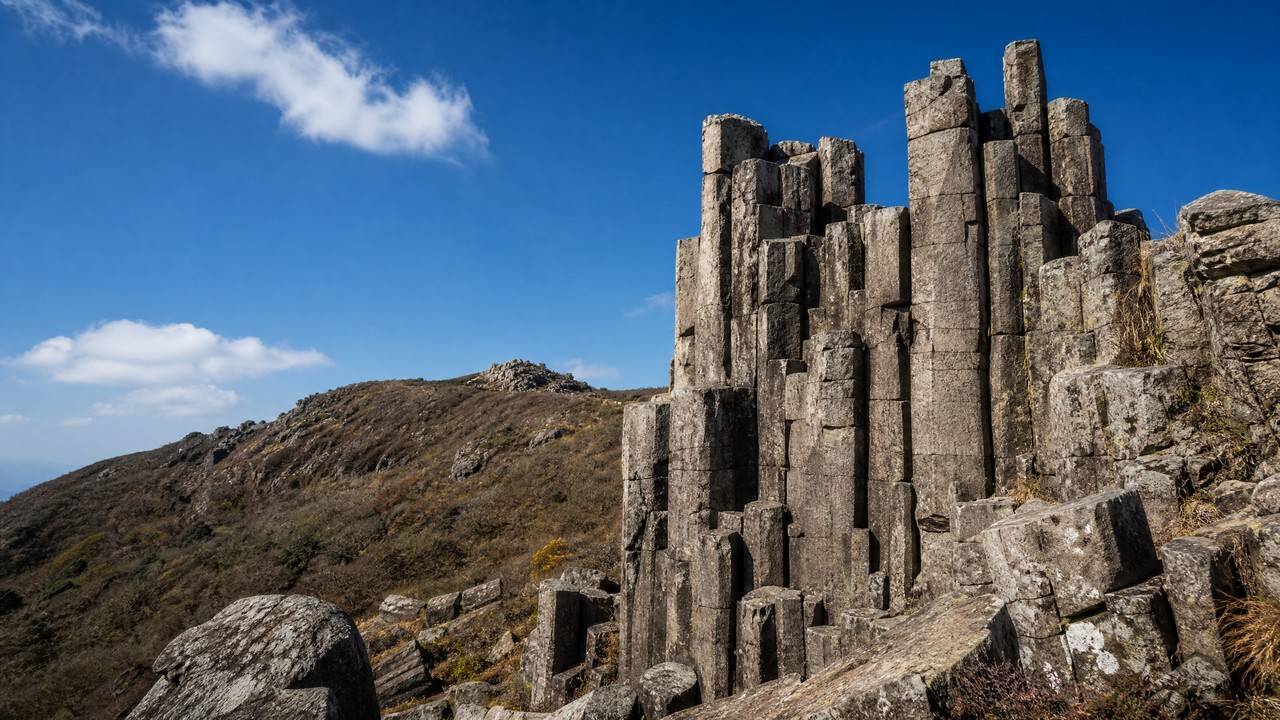
Mudeungsan is a national park in Buk-gu, Gwangju, famed for its bizarre columnar peaks known as Ipseokdae and its broad summit meadows. The rounded massif is said to lie like a reclining giant, giving the name 'Mudeung'; spring azaleas, autumn maples and winter snow each paint the slopes, making it Gwangju's favourite hiking and weekend escape. Ancient temples such as Jeungsimsa dot the mountain, with forest shade and streams along the trails, while a cable car eases the climb to sweeping city views where nature meets faith. Well-kept trails and hillside rest pavilions overlook the Gwangju basin, a favourite daily workout for locals.
National Park & Nature
No.4 Gwangju
Asia Culture Complex
The Asia Culture Complex in Dong-gu, Gwangju, is a vast cultural institution built to honour the Gwangju democratic movement and promote cultural exchange across Asia. Created from the former Jeonnam Provincial Office and new underground structures, it houses theatres, exhibition halls, a library and a children's centre, hosting contemporary art shows, performances and academic forums year round. Open civic plazas and underground galleries link the spaces, making it both an arts venue and a public gathering place that traces Gwangju's journey from trauma toward cultural renaissance. Underground theatres host experimental drama and screenings, while free public halls bring art into daily life.
Square & Landmark
No.5 Gwangju
Gwangju National Museum
The Gwangju National Museum sits at the foot of a hill in Maegok-dong, Buk-gu, Gwangju, and is the national museum representing the history and culture of the Honam region in southwestern Korea. It is best known for artifacts salvaged from the Sinan shipwreck, including celadon, coins and metalwork that reveal the prosperity of ancient maritime trade. Permanent galleries are organized by archaeology, history, Buddhist art and ceramics, tracing the area's story from prehistory to the Joseon dynasty. An outdoor sculpture park and traditional garden surround the complex, offering a quiet setting for a slow visit.
Museum
🎯 Gwangju Experiences
Korean Food Journey
Taste Gwangju kimchi and hanjeongsik.
Biennale Art Tour
Explore cutting-edge Asian contemporary art.
Mudeungsan Hike
Summit the three peaks for panoramic views.
Market Food Crawl
Yangnim-dong and Chungjang-ro food streets.
Gwangju is four distinct seasons with cold winters and hot summers; the best time to visit is Apr–Jun and Sep–Oct, with temperatures around 7–27°C. January is coldest (down to -3°C), so bring warm layers.
🚌 Transport & Stays
City Transport
✈️Varies by route
Flights
Fly into nearest airport
Varies by route
🚗Rental varies
Self-Drive
Best flexibility for exploring
Rental varies
🚕Local rates
Local Transport
Taxi or shared rides
Local rates
Recommended Stay Areas
🎨 Biennale District
Design hotels and art lodgings
🏙️ Geumnam-ro / Downtown
Business hotels
🏔️ Mudeungsan Foothills
Mountain view resorts
💰 Songjeong Station Area
Budget hotels
Free Consultation
Free Consultation
1-on-1 travel consultant customizes your Gwangju trip for free based on your schedule and preferences.