must-visit in JeonjuCastle & Fortress

Pungnammun Gate

📍 Pungnammun Gate, Jeonju, South Korea
Pungnammun Gate
1 photos
4.1/ 5.0
★★★★☆

Introduction

Pungnammun is the only gate surviving from the four that once punctuated the walls of Jeonju Eupseong, the old provincial fortress. First erected in 1398 at the dawn of the Joseon dynasty and rebuilt in the eighteenth century, the two-storey pavilion with its hip-and-gable roof crowns a granite arch and is designated a Korean Treasure. The gate witnessed pivotal moments including the entry of Donghak peasant rebels into Jeonju in 1894. Today it serves as a photogenic landmark, an open-air history lesson and a natural starting point for exploring the nearby Hanok Village.

Highlights

1
Last Gate Standing
The sole survivor of the fortress's four gates, carrying six centuries of Jeonju's urban history.
2
Two-Storey Pavilion
A hip-and-gable timber pavilion resting on a granite arch, typical of mid-Joseon gate architecture.
3
Donghak History
Peasant rebels passed through this gate in 1894, a turning point of modern Korean history.
4
Night Illumination
Floodlit after dark, the gate becomes one of downtown's most photographed night scenes.
5
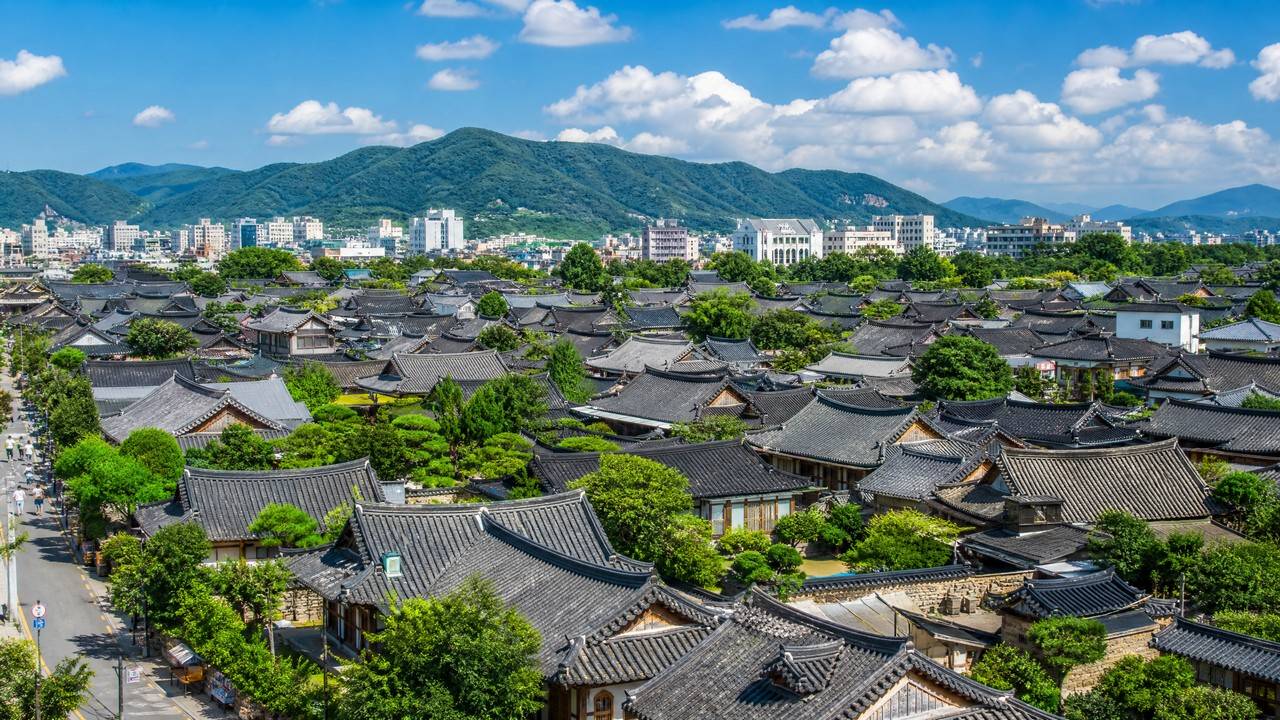
Gateway to Hanok Village
Steps away from Hanok Village and Gyeonggijeon, ideal for a half-day walking route.

🛈 Practical Info

Best SeasonYear-round; spring and autumn evenings are mildest for enjoying the illumination.
DurationAbout 30 minutes to an hour, including reading the panels and taking photos.
TicketsFree at all times; the upper pavilion is normally closed to visitors.
TransportCentral Jeonju, roughly 15 minutes from Jeonju station by bus or taxi.
FoodHanok Village and Nambu Market are next door, full of Jeonju bibimbap and street food.
NearbyGyeonggijeon Shrine, Jeondong Catholic Church and the Hanok Village are all walkable.

💡 Tips

The gate photographs best when lit up at night; bring a tripod for long exposures.
Climbing the pavilion is generally not allowed, so plan for exterior viewing and the panels.
Combine it with the Hanok Village and Jeondong Catholic Church in a 2-3 hour walking loop.
Interpretive signs include English, making a self-guided history stop quick and easy.

FAQ

Any practical tips for visiting Pungnammun Gate?

The gate photographs best when lit up at night; bring a tripod for long exposures. Climbing the pavilion is generally not allowed, so plan for exterior viewing and the panels.

Information on this page is compiled from public sources. Opening hours, ticket prices and other details may change — please verify with official sources before your visit.

📰 Guides for Pungnammun Gate

All Guides →