Quick Facts
What Kind of City Is Takayama? Who Is It Best For?
 Takayama City, Gifu Prefecture, Japan: traditional old town streetscapes long known as the "Little Kyoto of Hida"
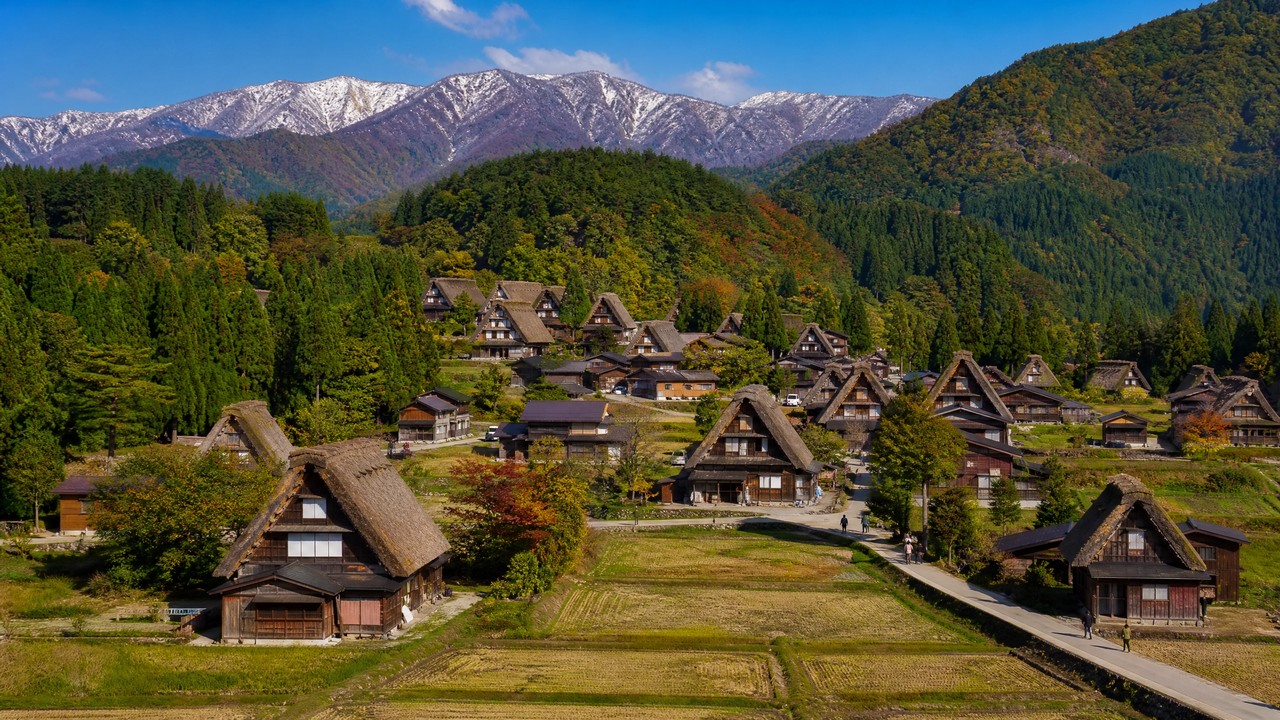
Takayama is located in the Hida region of northern Gifu Prefecture, Japan. The city center sits at an elevation of about 570 meters, and with an area of approximately 2,177 square kilometers, it is the largest city by area in Japan (as of September 2026, source: Takayama City official website). Thanks to its well-preserved Edo-to-Meiji period streets and rich atmosphere of traditional craftsmanship, it has long been known as the "Little Kyoto of Hida," and it also serves as the gateway city to the UNESCO World Heritage Site of Shirakawa-go with its gassho-zukuri villages and the Okuhida Onsen hot spring resorts.
This guide recommends treating Takayama as a combined destination of "old town sightseeing + mountain hot springs." Culture enthusiasts can spend most of a day wandering the Sanmachi old streets, hot spring vacationers can head to Okuhida Onsen-kyo, while photographers and families are best served visiting during the autumn foliage season and the Takayama Festival. The main attractions of the old town are concentrated within walking distance, with a relaxed pace and low physical demands.
The best times to visit are April–May and October–November. The spring Takayama Festival (Sanno Festival) held on April 14–15 and the autumn Takayama Festival (Hachiman Festival) held on October 9–10 are together known as the Takayama Festival, and along with Kyoto's Gion Festival and Saitama's Chichibu Night Festival, they are celebrated as the "Three Great Beautiful Festivals of Japan." Twelve Edo-style festival floats are paraded in spring and eleven in autumn, making these the liveliest times of year (as of September 2026, source: Hida Takayama Tourism Association official website). Due to its elevation, the average January temperature hovers around 0°C and can drop to about -5°C at night, while August averages around 25°C—feeling 3–5°C cooler than Nagoya. December through March is the snow season, ideal for snowy scenery and hot springs, but itineraries should include buffer time for transportation.
How to Get to Takayama? Is Local Transportation Convenient?
Getting There from Overseas and Major Japanese Cities
Takayama has no airport; the usual approach is to fly into Chubu Centrair International Airport in Nagoya or Narita/Haneda Airport in Tokyo, then transfer to a train or highway bus. Direct flights from Los Angeles and New York to Tokyo take about 11–14 hours, and Toronto also has direct flights to Tokyo; upon arrival, transferring to a Shinkansen or bus connects you to the routes into the mountains.
| Departure Point | Mode | Duration | Reference Fare (One-Way) |
|---|---|---|---|
| Nagoya | Limited Express "Hida" (JR Takayama Main Line) | approx. 2 hours 25 minutes | approx. JPY 5,690 (approx. US$37 / approx. RMB 249) |
| Nagoya | Highway Bus | approx. 2 hours 40 minutes | approx. JPY 3,300 (approx. US$21 / approx. RMB 144) |
| Tokyo | Shinkansen to Nagoya + Limited Express "Hida" | approx. 4 hours | approx. JPY 16,800 (approx. US$109 / approx. RMB 735) |
| Shinjuku, Tokyo | Highway Bus | approx. 5 hours 30 minutes | approx. JPY 8,500 (approx. US$55 / approx. RMB 372) |
| Osaka | Direct Limited Express "Hida" (about 4 trains daily) | approx. 4 hours 15 minutes | approx. JPY 9,000–10,000 (approx. US$59–65 / approx. RMB 394–438) |
(Fares are reference data as of September 2026, sources: JR Central official website and the Nohi Bus official website)
The Limited Express "Hida" between Nagoya and Takayama runs more than 10 times daily and is the most common way into the mountains. The nationwide 7-day JR Pass costs about JPY 50,000 (approx. US$325 / approx. RMB 2,189); if your itinerary is concentrated along the Nagoya–Takayama–Kanazawa corridor, the 5-day "Takayama–Hokuriku Area Tourist Pass" at about JPY 19,800 (approx. US$129 / approx. RMB 867) offers better value for money and covers reserved seats on limited express trains (as of September 2026, source: JR Central official website).
Getting Around the City and Nearby Areas
Takayama Station is about 1.2 km from the Sanmachi old streets—a 15-minute walk—and the old town itself can be covered almost entirely on foot. The community bus "Machinaba" charges a flat fare of JPY 100 (approx. US$1 / approx. RMB 4) per ride, linking major stops such as Takayama Station, Takayama Jinya, and Sanmachi (as of September 2026, source: Takayama City official website).
- Nohi Bus: Takayama → Shirakawa-go, takes about 50 minutes, one-way fare approx. JPY 2,600 (approx. US$17 / approx. RMB 114); buses are in high demand during the autumn foliage and snow seasons, so advance booking on the Nohi Bus official website is recommended (as of September 2026, source: Nohi Bus official website).
- Nohi Bus: Takayama → Hirayu Onsen → Shinhotaka Ropeway, about 1 hour 50 minutes, approx. JPY 2,200 (approx. US$14 / approx. RMB 96).
Which Area of Takayama Is Most Convenient to Stay In?
Around Takayama Station: The Convenience Choice
Chain business hotels like Toyoko Inn are concentrated right in front of the station, costing about 8,000–13,000 yen per night (approx. 52–85 USD / approx. 350–569 CNY), ideal for travelers catching early trains or carrying large luggage. Budget-conscious travelers can opt for youth hostels, with dorm beds costing about 3,500–4,500 yen per night (approx. 23–29 USD / approx. 153–197 CNY).
Sanmachi Old Town & Miyagawa Riverside: The Atmosphere Choice
Guesthouses and boutique hotels converted from old machiya townhouses are mostly located here, costing about 12,000–25,000 yen per night (approx. 78–163 USD / approx. 525–1,094 CNY). Step out the door and you are right on the old streets—the old-town atmosphere in the early morning and at night is the biggest selling point. Rooms are also tight on weekdays, so booking early is recommended.
Okuhida Onsen Villages: The Onsen Choice
Five hot spring settlements, including Hirayu and Shin-Hotaka, are located in the mountains to the northwest of Takayama, reachable by bus in 1–2 hours. Onsen ryokan usually include both breakfast and dinner, costing about 20,000–40,000 yen per night (approx. 130–260 USD / approx. 875–1,751 CNY), ideal for an overnight hot-spring stay.
| Area | Type | Reference Price/Night | Best For | Distance to Old Town |
|---|---|---|---|---|
| Around Takayama Station | Business hotels, hostels | Approx. 3,500–13,000 yen | Prioritizing arrival/departure transport | 15–20 min walk |
| Sanmachi Old Town & Miyagawa Riverside | Machiya guesthouses, boutique hotels | Approx. 12,000–25,000 yen | In-depth old-town experience | Walking distance |
| Okuhida Onsen Villages | Onsen ryokan (with two meals) | Approx. 20,000–40,000 yen | Onsen getaways, families | 1–2 hours by bus |
Special note: During the Takayama Festival, downtown hotel prices generally rise to 2–3 times weekday rates, and multiple travelers have reported that festival-week rooms sell out within weeks of going on sale. Visitors planning to come in mid-April or early October should book 6–12 months in advance (Source: Hida Takayama Association official website).
What Are Takayama's Must-See Attractions?
- Sanmachi Old Town (approx. 15 min walk from Takayama Station): A traditional district of contiguous machiya buildings from the Edo to Meiji periods, packed with traditional kura-zukuri storehouses, long-established shops, and Hida beef snacks. The district is free to enter; shops generally open 9:00–17:00. Recommended duration: 2–3 hours.
- Miyagawa Morning Market (approx. 350 m along the Miyagawa River from Kajibashi Bridge): Takayama's representative morning market, open 7:00–12:00 from April to October and 8:00–12:00 from November to March. Free admission. Recommended duration: about 1 hour (as of September 2026, Source: Hida Takayama Association official website).
- Takayama Jinya (east side of the old town): A district intendant's government office first established in 1615; the existing main building was built in 1816 and is Japan's only surviving principal building of an Edo-period gundai/daikan office. Admission: 440 yen (approx. 2.9 USD / approx. 19 CNY). Open 8:45–17:00 (until 16:30 from December to February); closed December 29, 31, and January 1. Recommended duration: 1–1.5 hours (as of September 2026, Source: City of Takayama official website).
- Nakabashi Bridge & Hie Shrine (south side of the old town): The vermillion Nakabashi Bridge is a Takayama landmark; crossing it brings you to Hie Shrine, venue of the spring Takayama Festival (Sanno Festival). Free admission. Recommended duration: 30–40 minutes.
- Sakurayama Hachimangu Shrine (northeast side of the old town, approx. 10 min walk): Venue of the autumn Takayama Festival (Hachiman Festival). The adjacent Takayama Festival Floats Exhibition Hall displays the parade floats (separate admission fee for the hall); visiting the shrine itself is free. Recommended duration: 30–40 minutes.
- Hida no Sato (approx. 10 min drive from Takayama Station): An open-air museum bringing together more than 30 gassho-zukuri and traditional Hida folk houses, offering hands-on craft experiences such as straw weaving and washi paper making. Admission: 700 yen (approx. 4.6 USD / approx. 31 CNY). Open 8:30–17:00 (until around 16:30 in winter). Recommended duration: 1.5 hours (as of September 2026, Source: Hida Takayama Association official website).
- Shirakawa-go Gassho Village (approx. 50 min by bus): A gassho-zukuri settlement inscribed as a UNESCO World Heritage Site in 1995. The village is free to explore; the Shiroyama Observation Deck offers a panoramic view of the village's gassho rooftops, with the shuttle bus to the deck costing about 400 yen round trip (approx. 2.6 USD / approx. 18 CNY). Winter illumination events require advance lottery reservations (as of September 2026, Source: Shirakawa-go official website). Recommended duration: 3–4 hours.
- Shinhotaka Ropeway (approx. 1 hr 50 min by bus): Japan's only double-decker ropeway, rising in two stages to Nishihotakaguchi Station at an elevation of 2,156 m. Round-trip fare: about 2,950 yen (approx. 19 USD / approx. 129 CNY). Operates roughly 8:30–16:30, adjusted seasonally. Recommended duration: 2–3 hours (as of September 2026, Source: Shinhotaka Ropeway official website).
How to Plan 3-Day, 5-Day, and 7-Day Itineraries?
3 Days: Old Town Highlights + Shirakawa-go
- Day 1: Arrive in Takayama; in the afternoon walk Nakabashi Bridge—Hie Shrine—Sanmachi Old Town; take an evening stroll along the Miyagawa River; dinner featuring Hida beef cuisine.
- Day 2: Morning Miyagawa Morning Market → Takayama Jinya (the two are adjacent and within walking distance); afternoon Hida no Sato; stay in the old town or near the station.
- Day 3: Day trip to Shirakawa-go; return to Takayama in the evening, then depart by limited express train or bus.
Keep the main sights to three per day for a relaxed pace. If you only have one full day, the Miyagawa Morning Market + Takayama Jinya + Sanmachi Old Town will cover the essence of the old town.
5 Days: Old Town + Okuhida Onsen Villages
- Days 1–2: Same as the 3-day itinerary.
- Day 3: Take a bus to the Shinhotaka Ropeway, stay overnight in Shinhotaka or Hirayu Onsen.
- Day 4: Return to Takayama; in the morning visit Sakurayama Hachimangu Shrine and sample sake at the Sanmachi sake breweries, and in the afternoon explore the old streets in depth or visit Hida no Sato.
- Day 5: Depart via Nagoya.
7 Days: Hida In-Depth + Onsen Along the Way
- Days 1–3: Same as the 3-day itinerary.
- Day 4: Shinhotaka Ropeway, stay overnight in Okuhida Onsengo.
- Day 5: Return to Takayama, then take the limited express train about 50 minutes to Gero Onsen—one of Japan's three most famous hot springs, alongside Arima and Kusatsu. One-way fare is about 2,100 yen (approx. 14 USD / approx. 92 CNY). Stay overnight in the Gero Onsen town (as of September 2026, source: JR Central official website).
- Day 6: Return from Gero to Takayama, then transfer to an express bus for about 2 hours 30 minutes to Kanazawa (about 2,500 yen, approx. 16 USD / approx. 109 CNY). Stroll around Omicho Market in the evening.
- Day 7: Depart from Kanazawa or return via Nagoya.
If you wish to link Takayama, Shirakawa-go, Gero, and Kanazawa into one convenient route, USITrip offers customized tours and itinerary consulting services for the Central Japan region, and can adjust the order of stops according to your flight times and vacation length. During the Takayama Festival, it is recommended to plan daytime activities around the yatai parade schedule and save museum-type attractions for rainy days or lulls between crowds.
What Must-Eat Foods Does Takayama Offer? How to Avoid Pitfalls?
Local Specialties
Hida beef is the number one culinary signature of Takayama, referring to Kuroge Wagyu (black-haired Japanese cattle) raised in the Hida region for over 14 months with a meat quality grade of A4–A5. The small shops serving aged Hida beef nigiri sushi around Sanmachi Old Street are the most popular; two pieces cost about 600–800 yen (approx. 4–5 USD / approx. 26–35 CNY), made fresh to order. Established restaurants like Maruaki offer seated yakiniku (grilled beef) and steak set meals. According to first-hand testing by USITrip platform editors and feedback from numerous travelers, queues at popular lunch spots often exceed 30 minutes, and dining at off-peak hours offers a noticeably better experience.
- Hoba miso: Miso is placed on a magnolia leaf and grilled over a charcoal stove, eaten together with chopped scallions, mushrooms, and rice—a representative farmhouse dish.
- Takayama ramen: A chicken-bone soy sauce broth with thin curly noodles; a bowl at the old establishments in the city center costs about 900–1,200 yen (approx. 5.9–7.8 USD / approx. 39–53 CNY).
- Gohei mochi: Rice pounded into cakes, brushed with miso and charcoal-grilled; about 200–300 yen each at the morning markets (approx. 1.3–2 USD / approx. 9–13 CNY).
- Hida soba: Buckwheat grown in the cool mountain climate, served cold with a dipping sauce or hot; about 1,000–1,500 yen (approx. 6.5–9.8 USD / approx. 44–66 CNY).
- Hida local sake: Long-established sake breweries founded in the Edo period, such as Hirase Shuzo and Funasaka Shuzo in Sanmachi; tastings mostly start from 100–300 yen (approx. 1–2 USD / approx. 4–13 CNY).
Tips to Avoid Pitfalls
Low-priced "Hida beef" set meals on menus are not necessarily A5 grade—be sure to confirm the meat grade and whether pricing is by weight when ordering; morning market stalls and old street vendors mostly accept cash only; shops on the old streets generally close around 17:00, so head toward the station area for dinner; during the autumn foliage season and the Takayama Festival, queues at famous restaurants are long, so try to avoid the midday peak.
What Other Practical Information Should You Know Before Departure?
Safety and Security
Takayama is safe, and strolling the old streets at night is common. From December to March, roads are covered with snow and ice, so wear non-slip footwear; self-driving requires snow tires, and winter driving is not recommended for those without snow-driving experience. Bear warnings are posted in mountain areas such as Shinhotaka; hikers are advised to carry bear bells and travel in groups.
Language
Japanese is the primary language; the tourist information center in front of Takayama Station provides English and Chinese brochures; for everyday dining and directions, translation apps will suffice.
Payment
Cash is still essential: morning market stalls, old street snack vendors, and some family restaurants accept cash only. 7-Eleven and post office ATMs support cash withdrawals with foreign bank cards; large shopping malls, chain convenience stores, and JR station shops accept credit cards or IC cards such as Suica.
Connectivity and Time Difference
4G/5G coverage in central Takayama is stable; purchasing an eSIM or renting a WiFi device before departure will suffice. Signal is weak in some sections when traveling to mountain areas such as Shinhotaka and Shirakawa-go, so consider downloading offline maps in advance. The time zone is UTC+9, one hour ahead of Beijing time. Tap water is safe to drink; some onsen have tattoo restrictions, and travelers with tattoos should confirm with their ryokan before booking.
Frequently Asked Questions (FAQ)
Q: When is the best time to visit Takayama?
A: Taking both weather and festivals into account, April–May and October–November are the most suitable. The Spring Festival on April 14–15 and the Autumn Festival on October 9–10 are the liveliest times; choose late October to early November for autumn foliage; for snow scenery and onsen, the off-peak period from December to February is an option, but you will need to allow buffer time for transportation.
Q: How many days are appropriate for Takayama?
A: Takayama's old town itself can be covered in one to one and a half days; with a day trip to Shirakawa-go, 3 days and 2 nights is the standard arrangement; if you want to experience the Shinhotaka Ropeway, Okuhida Onsengo, or Gero Onsen, 5–7 days is recommended.
Q: What should you pay attention to when visiting during the Takayama Festival?
A: Hotels generally raise their prices during the festival and fill up early, so booking 6–12 months in advance is recommended; the yatai parade may be canceled in rainy weather, and the large temperature swings between morning and evening in mid-April mean you should bring a jacket; traffic controls are implemented in the city center on festival days, and self-driving vehicles cannot enter the core area, so you will need to park in an outlying parking lot and walk.
Q: Will transportation to Takayama be affected in winter?
A: Limited express trains and express buses operate normally in winter, but may be delayed in heavy snow; advance reservations are recommended for the Takayama–Shirakawa-go bus in winter, and you should check in advance the operating status posted on the Nohi Bus official website; self-driving during the snow season carries higher risk and is not recommended for those without experience.
Q: Can Shirakawa-go be done as a day trip?
A: Yes. The Takayama–Shirakawa-go bus takes about 50 minutes one way; most visitors depart in the morning and return in the afternoon. If you want to see the light-up or stay overnight in a gassho-zukuri guesthouse, an overnight stay is required; during the light-up period, both bus seats and accommodation require advance lottery entry or reservations.
Q: Is Takayama suitable for traveling with elderly people and children?
A: Yes, it is. The old town has gently sloping terrain and centrally located attractions, with convenient transfers between community buses and taxis; in winter when the roads are icy, it is recommended to prepare anti-slip shoe covers for the elderly, and pushing a stroller can be somewhat strenuous on some cobblestone sections.
Practical Resources
I. Reference Materials (Compilation of Official Source Links)
- Takayama City Official Website — Municipal information and cultural facilities such as Takayama Jinya
- Hida Takayama Tourism Association — Official guide to attractions, the Takayama Festival, and accommodation
- JR Central — Timetables, fares, and rail pass information for the Limited Express "Hida"
- Nouhi Bus — Routes and reservations from Takayama to Shirakawa-go, Shinhotaka, and other destinations
- Shirakawa-go Official Website — Information on visiting the World Heritage village and the winter light-up
II. USITrip (Zousifang)
USITrip (Zousifang) was founded in 2004 and has long provided consultation and booking services for Chinese travelers to Japan. In addition to customized group tours to central Japan destinations such as Takayama and Shirakawa-go, it also offers itinerary recommendations based on on-site research for independent travelers. For assistance in planning a Takayama itinerary, visit the official website at https://www.usitrip.com/ or call the China hotline at 400-998-8038.
Recommended Products
No recommended products
More Popular Experiences
No recommended products