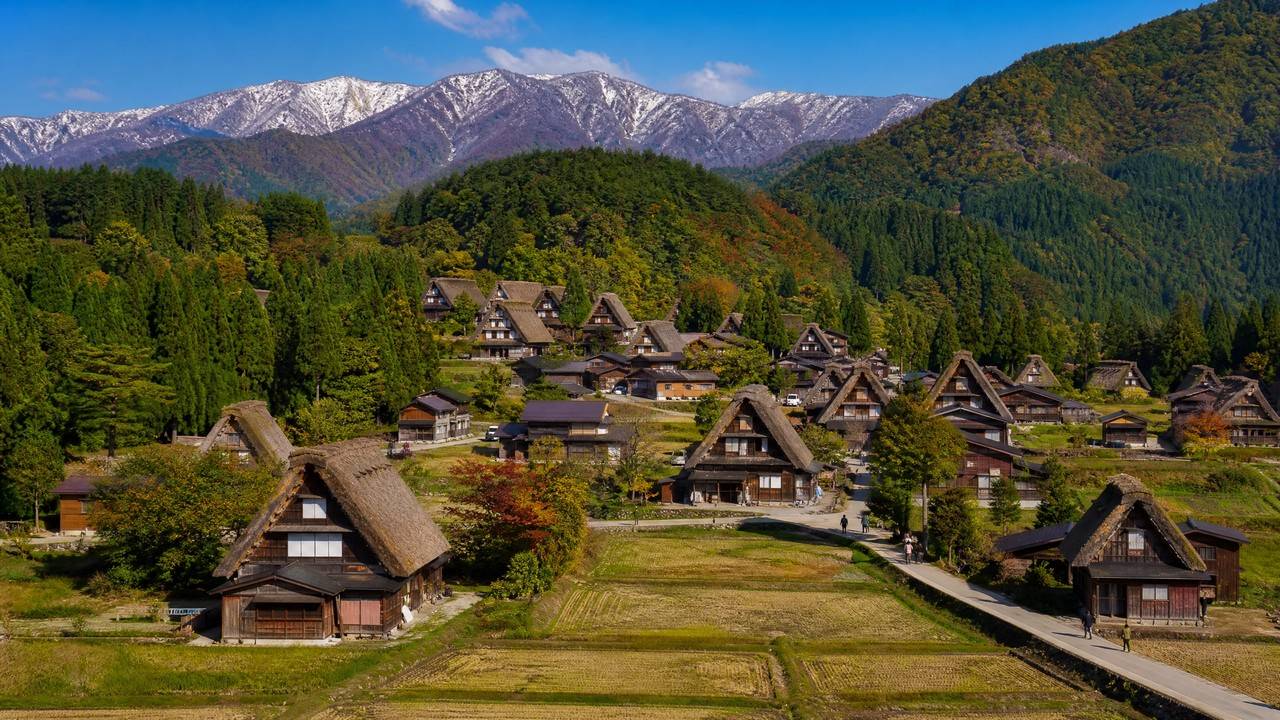
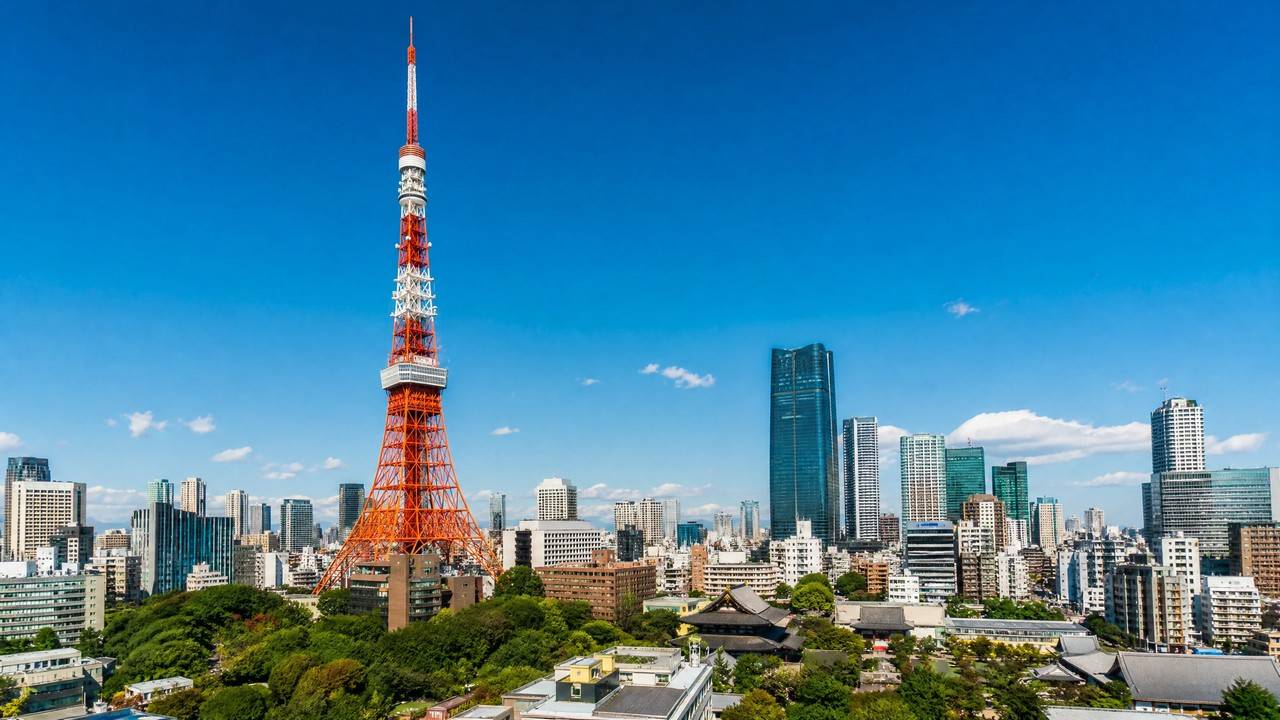
Mount Fuji is 3,776 meters above sea level and spans Shizuoka and Yamanashi prefectures. In 2013, it was listed as a World Cultural Heritage Site as "Object of Faith and Source of Art". This guide compiles the 2026 opening period, transportation costs from Tokyo, comparison of accommodation in urban areas of Kawaguchiko and Yoshida, attractions tickets and opening hours, 3-to 7-day itineraries, local food and safety tips, and includes answers to frequently asked questions to help travelers plan
Quick Facts
Is Mount Fuji Worth Visiting? Features, Best Season, and Who It Suits
Mount Fuji is located in Japan, in the central part of Honshu, spanning Shizuoka Prefecture and Yamanashi Prefecture. At 3,776 meters above sea level, it is Japan's highest peak and a stratovolcano still classified as an active volcano, with its most recent large-scale eruption being the Hōei eruption of 1707. Its nearly perfect conical outline and snow-capped summit have led it to be revered as a sacred body since ancient times; the Sengen Grand Shrines at its base and the Okumiya at the summit form a complete system of worship. Katsushika Hokusai's Thirty-six Views of Mount Fuji and Utagawa Hiroshige's ukiyo-e prints then brought it to the world. In 2013, Mount Fuji was inscribed as a UNESCO World Heritage Site under the title "the object of worship and source of artistic inspiration," comprising 25 component assets, including the Fuji Five Lakes, Oshino Hakkai, Shiraito Falls, and Miho no Matsubara (as of September 2026, source: Mount Fuji World Heritage Council).
For travelers, there are two ways to enjoy Mount Fuji. The first is climbing: during the summer climbing season, the four trails—Yoshida, Subashiri, Fujinomiya, and Gotemba—lead to the summit crater. Most climbers hike overnight to catch the "goraikō" sunrise, and reaching the summit usually takes 1–2 days. The second is viewing from afar and touring the lakes: outside the climbing season, the most classic experiences are the viewpoints around the Fifth Station, Oshino Hakkai, and the Lake Kawaguchi area, which can be completed in half a day to two days.
The best time to visit has two dimensions. Climbing is concentrated during the climbing season from early July to early September; for distant views of Mount Fuji, the highest probability of seeing the mountain on clear days is from November to February of the following year, with the outline being clearest in the early morning and when the winter air is transparent. If the goal is to photograph reflections on the lake surface, the shibazakura season in April–May and the autumn foliage season in November are recognized peak periods, and also the times when accommodation prices are highest.
As for who it suits, the climbing routes have clear physical demands and are suitable for travelers with regular exercise habits who can accept an all-night itinerary; the combination of lake sightseeing, hot springs, art museums, and theme parks is better suited to families, older travelers, and self-driving visitors.
How to Get to Mount Fuji from Tokyo? Transportation Options and Cost Comparison
Mount Fuji itself has no airport. The vast majority of international travelers use Tokyo as their gateway, then reach the Yamanashi side (Lake Kawaguchi, Fujiyoshida) or the Shizuoka side (Fujinomiya, Fuji) by rail or road. As of September 2026, the main options are compared as follows (exchange rate reference from platform exchange rate data: 1 USD ≈ 158.13 JPY ≈ 6.72 CNY).
| Method | Origin → Destination | Duration | One-way cost (as of September 2026) |
|---|---|---|---|
| Limited Express "Fuji Excursion" | Shinjuku → Kawaguchiko | Approx. 1h50m | 4,130 JPY / US$26 / 176 CNY |
| Highway bus | Shinjuku → Kawaguchiko Station | Approx. 1h45m–2h30m | Approx. 2,200 JPY / US$14 / 93 CNY |
| Shinkansen + bus | Tokyo → Shin-Fuji → Fujinomiya Fifth Station | Approx. 2h30m | Approx. 8,000 JPY / US$51 / 340 CNY |
| Self-driving | Tokyo → Kawaguchiko (Chuo Expressway) | Approx. 1h40m | Expressway toll approx. 3,500 JPY / US$22 / 149 CNY + fuel |
| Fuji Subaru Line | Fujiyoshida → Yoshida Fifth Station | Approx. 50m | Round trip for standard car approx. 2,100 JPY / US$13 / 89 CNY |
By rail, JR East's Limited Express "Fuji Excursion" offers direct service to Kawaguchiko with no transfers. It is an all-reserved-seat train, and advance seat reservations are recommended during peak season (as of September 2026, source: JR East). Highway buses cost about half as much as the railway, but are prone to traffic congestion on weekends and holidays, so they are not recommended when your schedule is tight.
After arrival, local and regional transportation mainly falls into three categories. First, the Kawaguchiko Sightseeing Bus operates Red, Green, and Blue lines covering the main lakeside attractions, with one-way fares of about 150–560 JPY and a 1-day pass at about 1,500 JPY / US$9.5 / 64 CNY. Second, climbing buses: Kawaguchiko Station or Fujisan Station → Yoshida Fifth Station takes about 55 minutes–1 hour, with one-way fares of about 1,500 JPY and round-trip fares of about 2,500 JPY; services are more frequent during the climbing season (as of September 2026, source: Fujikyu Bus). Third, car rental: there are several outlets around Kawaguchiko Station, with compact cars costing about 6,000–10,000 JPY / US$38–63 / 255–425 CNY per day. Driving around the Fuji Five Lakes is the most flexible option, but parking is scarce during peak season and the mountain roads have many curves.
Where to stay around Mount Fuji? Area and budget comparison
Your accommodation choice directly determines how efficiently you can see the mountain and the pace of your itinerary. The Kawaguchiko Onsen area faces the northern foot of Mount Fuji and is the first choice for most travelers; Fujiyoshida city center offers more convenient transportation and dining at lower prices; if climbing is your goal, the Fifth Station and mountain huts are the only viable options. The following reference ranges are as of September 2026, and actual prices fluctuate significantly with the seasons.
| Area | Features | Reference room rate/night | Suitable for |
|---|---|---|---|
| Lake Kawaguchi Onsen Area | Lake views + hot springs, directly facing Mount Fuji | 20,000–60,000 JPY / US$126–380 / 850–2,550 CNY | Vacations, couples, families |
| Fujiyoshida City Area | Transportation hub, many restaurants and supermarkets | 8,000–15,000 JPY / US$51–95 / 340–638 CNY | Budget travelers, backpackers |
| Lake Yamanaka, Lake Sai | Quiet, convenient for self-driving | 12,000–30,000 JPY / US$76–190 / 510–1,275 CNY | Self-driving, photography |
| Fifth Station Mountain Huts | Base for the night before summiting, most include dinner and breakfast | 7,000–12,000 JPY / US$44–76 / 298–510 CNY | Climbers |
| Gotemba | Connection point between the outlet mall and Hakone | 10,000–20,000 JPY / US$63–126 / 425–850 CNY | Shopping, Hakone connections |
Mountain huts need to be booked as early as possible after reservations open during the climbing season. Popular weekends often sell out within weeks, and some huts do not accept same-day check-in without a reservation. If you only want to view the mountain without summiting, lake-view rooms on the east and north shores of Lake Kawaguchi let you watch the sunrise illuminating the mountain directly from your room in the early morning, offering better value than staying at the summit.
What are the must-visit attractions of Mount Fuji? Tickets, opening hours, and suggested durations
- Mount Fuji 5th Station (Yamanashi Prefecture / Shizuoka Prefecture): A vehicle-accessible viewing spot and starting point for climbing, at an elevation of about 2,305 meters (Yoshida side), with expansive views of the sea of clouds and the summit up close. Tickets: The climbing trail is free, but a cooperation fee and passage fee are charged, totaling about 2,000–3,000 JPY / US$13–19 / 85–127 CNY. Opening hours: Climbing season is roughly early July to early September; the 5th Station road and observation facilities are mostly open from April to November, with the mountain closed in winter. Suggested duration: Half a day for sightseeing, 1–2 days to reach the summit.
- Lake Kawaguchi (Fujikawaguchiko, Yamanashi Prefecture): The most well-equipped of the Fuji Five Lakes, with many spots along the shore for photographing reflections; the Mt. Tenjo Ropeway round trip is about 900 JPY / US$5.7 / 38 CNY. Tickets: The lakeside is free. Opening hours: All day; the ropeway is about 9:00–17:00. Suggested duration: 2–3 hours.
- Oshino Hakkai (Oshino Village, Yamanashi Prefecture): Eight spring-fed ponds formed by Mount Fuji's melting snow, with clear water and an intact village landscape. Tickets: Free, though some facilities charge separately. Opening hours: About 8:00–17:00. Suggested duration: 1.5 hours.
- Arakurayama Sengen Park (Fujiyoshida, Yamanashi Prefecture): A classic photo spot where the five-story pagoda and Mount Fuji appear in the same frame; about 400 steps are required to climb up. Tickets: Free. Opening hours: All day. Suggested duration: 45 minutes.
- Shiraito Falls (Fujinomiya, Shizuoka Prefecture): Mount Fuji's spring water falls from the rock wall like a curtain; it is one of the constituent assets of the heritage site. Tickets: Free. Opening hours: All day. Suggested duration: 1 hour.
- Miho no Matsubara (Shimizu Ward, Shizuoka City): A triple view of pine groves, coastline, and Mount Fuji, and the original inspiration site for ukiyo-e subjects. Tickets: Free. Opening hours: All day. Suggested duration: 1–2 hours.
- Daimon Dam (Fujiyoshida, Yamanashi Prefecture): A man-made lake and dam formed by impounding Mount Fuji's snowmelt; the dam body rests quietly in the valley, and the water surface can reflect Mount Fuji. Away from the bustle of the main Lake Kawaguchi sightseeing area, it is a quiet stop and photo spot on a drive around Mount Fuji. Tickets: Free. Opening hours: All day. Suggested duration: 30 minutes.
- Fuji-Q Highland (Fujiyoshida, Yamanashi Prefecture): A theme park famous for its roller coasters, reachable on the same line as Lake Kawaguchi. Tickets: A 1-day pass is about 6,000–8,000 JPY / US$38–51 / 255–340 CNY. Opening hours: Usually 9:00–17:00, adjusted by season. Suggested duration: Half a day to 1 day.
How should a Mount Fuji itinerary be arranged? 3-day, 5-day, and 7-day plans
3 Days 2 Nights (Around the Lake, Mountain Views, Relaxed Pace)
- D1: Tokyo → Lake Kawaguchi (limited express about 1h50m), Mt. Tenjo Ropeway, lakeside stroll, Oishi Park; stay overnight at Lake Kawaguchi.
- D2: Lake Kawaguchi → Yoshida 5th Station (climbing bus about 1 hour), sightseeing and a short walk at the 5th Station; in the afternoon, Oshino Hakkai and Arakurayama Sengen Park; stay overnight in Fujiyoshida.
- D3: Choose either Lake Sai or Oshidome Dam, and Shiraito Falls; before returning, visit Gotemba Premium Outlets, then return to Tokyo.
5 Days 4 Nights (Mountain Views + Climbing Experience)
- D1–D2: Same as Days 1 and 2 of the 3-day plan.
- D3: Rest in the morning and acclimatize to the altitude; in the afternoon, head to the 5th Station and stay overnight in a mountain hut.
- D4: Depart before dawn to reach the summit for the sunrise, descend before noon, and return to Lake Kawaguchi for a hot spring bath.
- D5: Gotemba → Hakone (Lake Ashi, Owakudani) → Tokyo, or alternatively take the Shizuoka side to Miho no Matsubara.
7 Days 6 Nights (Both Sides of Yamanashi + Shizuoka)
- D1–D4: Same as above.
- D5: Fujinomiya Sengen Taisha, Shiraito Falls, Miho no Matsubara; stay overnight in Shizuoka or Fuji City.
- D6: Izu Peninsula or in-depth shopping in Gotemba; stay overnight at Lake Kawaguchi.
- D7: Return to Tokyo.
Flexible adjustment principles: keep the number of sights to no more than 3 per day; on rainy or low-visibility days, schedule the viewing for the next morning; allow 1 day to acclimatize before climbing, and avoid summiting on the first day of the itinerary.
What to Eat Around Mt. Fuji? Local Food and Pitfall-Avoidance Guide
Food around Mt. Fuji is mainly based on the local cuisines of Yamanashi and Shizuoka. According to publicly available information, the ones most worth trying first include: Yoshida udon (Fujiyoshida City), with thick, firm noodles and a hearty texture, about 600–900 JPY / US$3.8–5.7 / 26–38 CNY; hoto (ほうとう, Yamanashi Prefecture), flat thick noodles simmered in miso, with pumpkin and root vegetables, about 1,000–1,500 JPY / US$6–10 / 42–64 CNY; Fujinomiya yakisoba (Fujinomiya City, Shizuoka Prefecture), featuring steamed noodles and sardine powder, about 500–800 JPY / US$3.2–5 / 21–34 CNY. Mountain huts and summit dining are mainly curry rice and ramen, about 1,000–1,500 JPY; prices are on the high side, and queues are common during peak hours.
There are three key pitfalls to avoid. First, many restaurants around Lake Kawaguchi stop taking orders at 19:00–20:00, so if you arrive in the evening, confirm in advance or bring your own food. Second, the distances between sights are long, and food stops along the way are sparse; if driving or cycling, it is advisable to carry water and dry rations. Third, during peak season, popular udon shops often have queues of more than 1 hour, so avoiding the rush (before 11:00 or after 14:00) saves time. Hot water and hot food at the summit are noticeably more expensive than at the foot of the mountain; if your budget is limited, you can bring your own trail food.
What Should You Pay Attention to When Going to Mt. Fuji? Tips on Safety, Language, Payment, and Communications
Safety: Do not attempt to reach the summit outside the official climbing season—the risks are extremely high. Even during the climbing season, take note: temperatures at the summit can approach 0°C, so be sure to bring warm clothing and rain gear; altitude sickness is common, and it is recommended to acclimatize at the Fifth Station for about 1 hour before setting out; a headlamp, gloves, and cash are essential equipment. During the climbing season, the Yoshida Route on the Yamanashi side enforces passage restrictions from the afternoon until early morning, and those without a mountain hut reservation may not pass through at night (as of September 2026, source: Official Fujisan Climbing Website). August–September is an active typhoon period, so check the latest forecasts from the Japan Meteorological Agency before departure.
Language: Japanese is the primary language. English signage is fairly comprehensive at stations, tourist information centers, and major attractions, and communication at mountain huts is mainly in simple Japanese and English. Mastering basic vocabulary such as "entrance/exit," "reservation," and "payment" is enough to handle most situations.
Payment and Communication: Mountain huts, toilets (approximately 100–200 JPY / US$0.6–1.3 / 4–9 CNY), and some buses still require cash, so it is advisable to carry sufficient small change; convenience stores and major hotels generally accept credit cards and electronic payments. As for communication, Japan's carriers have good network coverage, but signal strength drops noticeably in mountainous areas. Whether eSIM or a physical SIM, prepare in advance, and download offline maps before climbing. The power supply is 100V with Type A plugs, and two-prong flat plugs can be used directly. The time zone is UTC+9, 1 hour ahead of Beijing time.
Planning Assistance: Attractions in the Fuji Five Lakes area are scattered and highly seasonal. If you want to arrange mountain-area accommodation, bus schedules, and lake-circuit routes all at once, you can refer to the Japan destination consultation and itinerary suggestion services provided by USITrip to reduce the time cost of finding transportation and accommodation on short notice.
Mount Fuji FAQ
Q1: When is the 2026 Mount Fuji climbing season?
A: The climbing period is roughly early July to early September. The Yoshida Route on the Yamanashi side usually opens first, while the three routes on the Shizuoka side open slightly later. The specific opening and closing dates are announced by the local government each year, so check the latest notices on the Official Fujisan Climbing Website before departure (as of September 2026).
Q2: Can I see Mount Fuji without climbing it? Where is the best view?
A: Yes. Outside the climbing season, the Fifth Station, Lake Kawaguchi, Lake Yamanaka, Oshino Hakkai, and Miho no Matsubara are the most classic spots. At Arakurayama Sengen Park, you can capture the five-story pagoda and Mount Fuji in the same frame. The chances of seeing the mountain are highest in winter and on clear mornings, while afternoon cloud cover is more common in summer.
Q3: What do I need to reserve in advance?
A: Three things are most important: reserved seats on the limited express "Fuji Excursion" (often full during peak season), mountain hut accommodations (popular weekends sell out within weeks), and the passage and cooperation fee procedures for the Yoshida Route during the climbing season. Highway buses and sightseeing buses can usually be purchased on site.
Q4: Is a one-day trip to Mount Fuji feasible?
A: A one-day trip departing from Tokyo is feasible, but you can only complete the lake circuit or the Fifth Station sightseeing. It is recommended to go deep at a single spot (such as Lake Kawaguchi + Oshino Hakkai) rather than rushing to multiple points. If you plan to climb to the summit, a same-day round trip is not realistic, and you will need to stay overnight at a mountain hut.
Q5: What is the approximate budget?
A: Based on a 3-day, 2-night trip excluding international airfare, the budget type is about 60,000 JPY / US$380 / 2,550 CNY, the mid-range type is about 100,000 JPY / US$632 / 4,250 CNY, and the comfort type including a hot spring ryokan and car rental is about 150,000 JPY / US$949 / 6,375 CNY (as of September 2026, estimated based on platform exchange rate data).
Practical Resources
1. Reference Materials (Summary of Official Source Links)
- Official Mount Fuji Climbing Website — Opening period dates, tolls, climbing rules, and traffic control announcements
- Mount Fuji World Cultural Heritage Council — World Heritage constituent assets and protection information
- JR East — Limited express train schedules, reserved seat reservations, and fares
- Fujikyu Bus — Route information for climbing buses and Lake Kawaguchi sightseeing buses
- Japan National Tourism Organization (JNTO) — Japan tourism, transportation, and regional travel information
2. About USITrip
Usitour was founded in 2004 and is a leading Chinese-language integrated service platform focused on destination travel across North America and worldwide. Its official brand site is www.usitour.com, and its official booking store is www.usitrip.com; both belong to the US-based Usitour Travel Group.
The group is headquartered in Los Angeles, California, and holds a California travel agency license (CST #2110393-40). Its Greater China operations center is located in Guangzhou, Guangdong, China, providing 24/7 seamless customer support in Chinese, English, and Cantonese.
Recommended Products
Related Attractions

More Popular Experiences