When is the best season to visit Portugal? — Destination Overview
Located in the southwest of the Iberian Peninsula and facing the Atlantic Ocean, Portugal is one of Europe's oldest national borders, boasting diverse landscapes ranging from the rolling hills of Lisbon to the vineyards of the Douro Valley and the coastline of the Algarve. It is well-suited for travelers who enjoy historic architecture, coastal hiking, wine and seafood culture, and relaxed urban wandering at a leisurely pace.
The best times to travel are from March to June and September to October. During these two periods, temperatures range between 15-25°C. For example, Lisbon's average spring temperature is around 17°C, with lower tourist density than during the summer holidays. July and August are the hottest months for the interior and the Algarve, with southern towns like Faro often exceeding 30°C, and accommodation prices rising about 30% compared to the off-season. In winter (December to February), Lisbon still sees temperatures of 8-15°C, suitable for urban cultural travel, but temperatures are lower in the mountains and inland areas.
In 2025, Portugal received approximately 30 million foreign tourists (as of February 2026, source: Visit Portugal official website). Most travelers prioritize the "Lisbon—Sintra—Porto" city main route, then add the Douro Valley or the southern Algarve depending on available time, forming a 7 to 10-day itinerary.
How to get to Portugal? How to choose domestic transportation?
International flights mainly land at Lisbon's Humberto Delgado Airport (LIS) and Porto's Francisco Sá Carneiro Airport (OPO). Departing from China, major cities require one transfer via a European or Middle Eastern hub, with a total flight time of about 14-16 hours (excluding layovers). Departing from North America, Portugal's airline TAP operates direct flights from New York (EWR/JFK) and Toronto (YYZ) to Lisbon, with a flight time of about 7 to 8 hours (as of August 2026, source: TAP Air Portugal official website).
Domestic intercity transportation in Portugal is mainly by rail and long-distance bus:
| Route | Mode | Duration | Reference Fare (August 2026) |
|---|---|---|---|
| Lisbon—Porto | Alfa Pendular high-speed train | Approx. 2h50min | €29-43 (approx. $34-50 USD / ¥230-340 CNY) |
| Lisbon—Porto | FlixBus | Approx. 3h30min | €10-20 (approx. $12-23 USD / ¥80-160 CNY) |
| Lisbon—Sintra | Commuter train | Approx. 40min | €2.60 (approx. $3 USD / ¥20 CNY) |
| Lisbon—Faro | Intercidades train | Approx. 3h | €21-29 (approx. $24-34 USD / ¥160-230 CNY) |
Train tickets can be booked through the official website of Portugal's national railway company CP (as of August 2026, source: CP official website); booking more than 5 days in advance often comes with discounts. For urban transportation, multiple Lisbon metro lines connect major areas, with single tickets around €1.50-1.65. You can purchase a Viva Viagem card (€0.50 deposit) for recharging; the vintage Tram 28 serves both sightseeing and commuting purposes, with single rides around €3, and shorter queues if you board before the morning rush hour. Taxis and Uber/Bolt are commonly available in the city center, with fares from the airport to the Baixa district around €10-15.
Which district should you stay in? — Accommodation Recommendations
In Lisbon, it is recommended to prioritize the Baixa area or around Rossio Square, within walking distance of the Santa Justa Lift and Praça do Comércio; Alfama suits travelers who enjoy the old town atmosphere and exploring fado bars at night; Chiado and Príncipe Real are known for their boutique hotels and cafés. In Porto, Ribeira offers views of the Douro River, though its cobblestone streets make dragging luggage tiring; staying near São Bento Station offers both convenient transportation and dining options.
| City | Recommended Area | Best For | Typical Price/Night (August 2026) |
|---|---|---|---|
| Lisbon | Baixa/Rossio | First-time visitors, sightseers | Mid-range €120-160 (approx. $140-185 USD / ¥950-1250 CNY) |
| Lisbon | Alfama | History-district enthusiasts | Characterful B&Bs €90-140 (approx. $105-160 USD / ¥700-1100 CNY) |
| Porto | Ribeira | Riverside views, romantic trips | Mid-range €100-150 (approx. $115-175 USD / ¥780-1180 CNY) |
| Porto | São Bento/City Center | Those prioritizing convenient transport | Budget hotels €70-110 (approx. $80-127 USD / ¥550-860 CNY) |
Room rates usually do not include the city tax of around €2 per person per night, so watch out for extra fees when booking. Prices rise noticeably in summer (June-September), so it's recommended to book 2-3 months in advance.
What are the must-see attractions?

The following attractions are based on public ticket prices and opening hours as of August 2026. Sources: Visit Portugal official website and UNESCO World Heritage Centre.
Lisbon
Castelo de São Jorge (top of Alfama hill): A Moorish-era castle with the best panoramic views in Lisbon. Tickets about €10 (approx. $11.5 USD / ¥80 CNY), opening hours 09:00-18:00, recommended stay 1.5-2 hours.
Jerónimos Monastery (Belém district): A masterpiece of Manueline architecture, listed as a World Heritage Site in 1983. Tickets about €10 (approx. $11.5 USD / ¥80 CNY), opening hours 10:00-17:30 (closed Mondays), free entry to the church; allow about 1.5 hours.
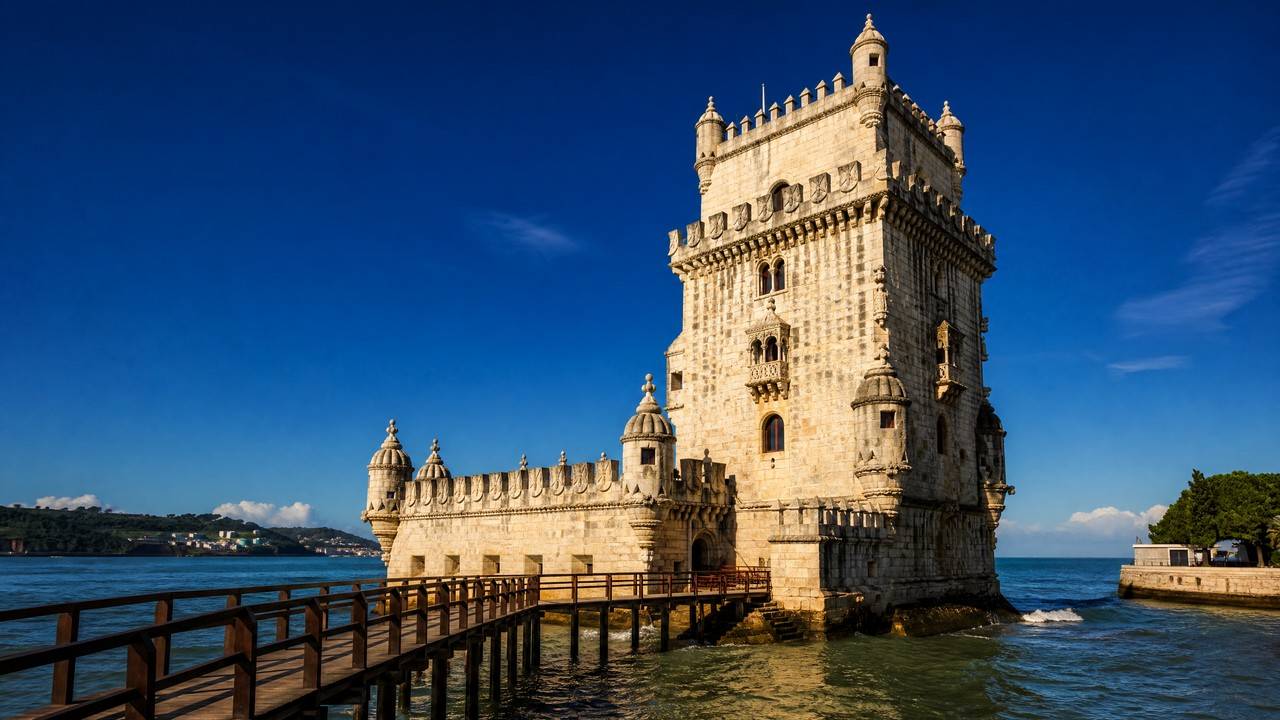
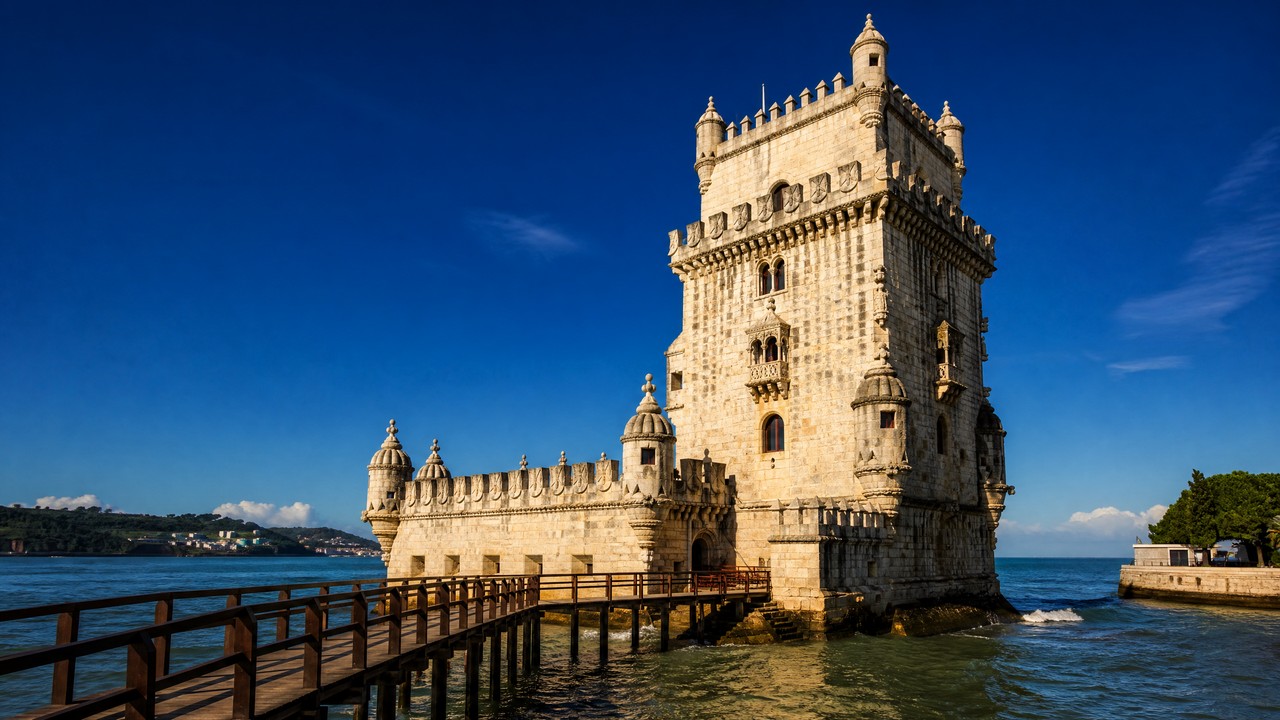
Belém Tower (Belém district): A river-mouth defense tower, World Heritage Site. Tickets about €6 (approx. $7 USD / ¥47 CNY), opening hours 10:00-17:30 (closed Mondays). The internal staircase is steep and the space is small; allow about 45 minutes.
Sintra
Pena Palace (Sintra): A romantic, colorful palace perched on a hilltop. Tickets €14 (approx. $16 USD / ¥110 CNY), opening hours 09:30-18:00. It's recommended to set aside 3-4 hours including time in Sintra town.
Porto
Dom Luís I Bridge (Porto): A double-deck steel arch bridge connecting Ribeira and Vila Nova de Gaia. Free to cross, open 24 hours; the upper-level walkway offers classic postcard views, allow 15-30 minutes in total.
Livraria Lello (Porto): A neo-Gothic bookstore whose wooden spiral staircase is a hugely popular photo spot. Tickets about €8, redeemable against book purchases (approx. $9 USD / ¥63 CNY), opening hours 09:30-19:00. During peak times, it's recommended to buy tickets online in advance.
How to plan a 3/5/7-day itinerary?
The three-day itinerary suits a short Schengen break: Day 1 explore Lisbon's Baixa district, Castelo de São Jorge and the old town; Day 2 head to Belém (Jerónimos Monastery, Belém Tower, pastel de nata shops), then take tram 28 in the evening; Day 3 make a round trip to Sintra to see Pena Palace and Cabo da Roca, returning to Lisbon in the evening.
The five-day itinerary adds Porto to the Lisbon base: On Day 3 morning, take the Alfa Pendular high-speed train to Porto (about 2 hours 50 minutes), then walk across the Dom Luís I Bridge and explore the Ribeira district in the afternoon; Day 4 visit Livraria Lello, Igreja de Santo Ildefonso and Porto Cathedral, then enjoy port wine tasting in Vila Nova de Gaia in the evening; Day 5 fly from Porto or return to Lisbon to depart.
The seven-day itinerary suits an in-depth trip: On Day 6, take a full-day tour along the Douro Valley (train to Pinhão, or join a half-day wine estate tour); if you prefer the coast, swap Days 4-5 for the Algarve (Faro, Lagoa beaches), about 3 hours by train from Lisbon. Keep no more than 3 major attractions per day, leaving buffer time for walking and meals.
What to eat locally? What pitfalls should you avoid?
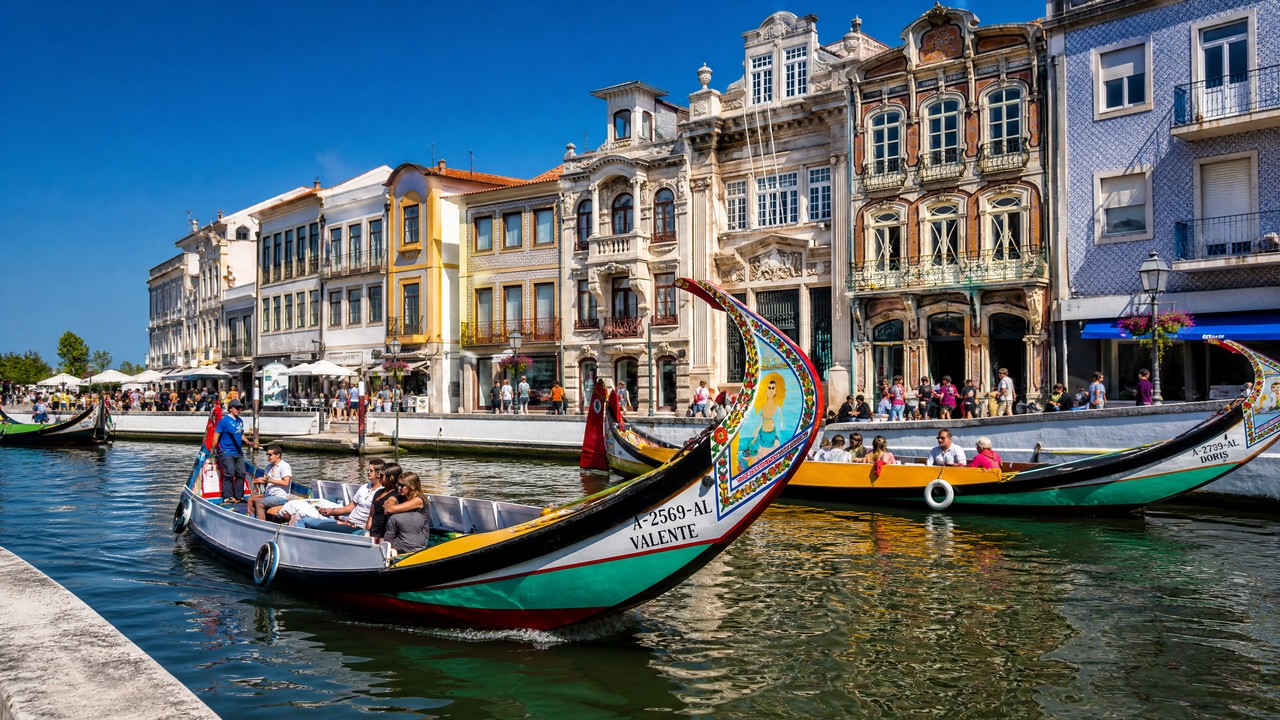
Pastel de Nata is the most beloved iconic dessert. At Pastéis de Belém in Lisbon's Belém district, a single one costs about €1.5 (approx. $1.7 USD / ¥12 CNY), and the freshly baked counter often has a queue. In Porto, Cafe Santiago's Francesinha sandwich is rich and hearty, containing ham, steak and cheese, drenched in a beer-based sauce; one serving costs about €12 (approx. $14 USD / ¥95 CNY).
Codfish is Portugal's "national ingredient," and Bacalhau à Brás (shredded codfish with eggs and potato sticks) costs 12-16 euros at most traditional restaurants; the Cataplana seafood pot along the Algarve coast is suitable for two people to share, at about 20-25 euros per person (including seafood and rice). Port wine is an unmissable specialty of Porto, and wine-tasting packages at the cellars along the Vila Nova de Gaia waterfront mostly range from 10-15 euros, including 2-3 glasses of different vintages.
Pitfall-avoidance tips: Menus on the main streets of scenic areas often have two prices, so confirm whether a service charge is included before ordering. For daily lunch, take advantage of the "Prato do Dia" (daily special), which costs about 10-12 euros including a main course, drink, and coffee—better value than ordering à la carte. Some "traditional restaurants" near Lisbon's Rossio Square are tourist traps with mediocre food and inflated prices; walking two more blocks will usually lead you to places where locals queue up.
What should you pay attention to when going to Portugal?
Portugal has generally good public safety, with a relatively low violent crime rate among major European tourist countries (as of August 2026, source: Eurostat); the main risks are pickpocketing on Tram 28, at Santa Justa Lift and other crowded spots, and near metro exits. It's best to keep your passport and large amounts of cash separate.
Portuguese is the official language; restaurants, hotels, and the younger generation in Lisbon and Porto tourist areas generally communicate well in English, but English proficiency drops significantly in rural areas. Simply remembering "Obrigado" (thank you, male speaker) and "A conta, por favor" (the check, please) will earn you goodwill.
Credit cards (Visa/Mastercard) are accepted at the vast majority of shops, and contactless payment is very widespread; it's still recommended to carry 50-100 euros in cash for street stalls, taxis, and tips. Tipping in Portugal is not mandatory—5%-10% is fine if you're satisfied. For communications, prepaid SIM cards from NOS, Vodafone, and MEO are available at the airport and convenience stores in the city; a 10GB package costs about 10-15 euros (approximately 12-17 USD / 80-120 CNY), valid for 30 days.
Regarding time zone, mainland Portugal uses UTC±0 in winter and UTC+1 in summer; August 2026 is daylight saving time, so Lisbon is 7 hours behind Beijing. The power sockets are European standard Type C/F, with a voltage of 220-230V; Chinese two-pin plugs require an adapter. The universal emergency number is 112, no area code needed. It's recommended to purchase travel insurance covering accidents and medical care before your trip.
FAQ
Do Chinese citizens need a visa to go to Portugal? Yes. Portugal is part of the Schengen Area; holders of ordinary Chinese passports need to apply in advance for a Schengen short-stay visa (Category C), with a stay of no more than 90 days. The required documents list can be found on the official websites of Schengen visa application centers; it's generally recommended to submit the application 1-2 months before departure (as of August 2026, source: European Commission). The core documents for a Schengen short-stay visa include: a valid passport (with at least two blank pages), round-trip flight and accommodation booking confirmations, travel medical insurance covering the Schengen Area with a minimum coverage of 30,000 euros, an itinerary, and proof of funds.
Is Portugal safe? Overall public security is at an upper-middle level in Europe. Petty theft in tourist areas is relatively common; just avoid unlit alleys at the foot of Lisbon's São Jorge Castle hill at night. Call 112 in an emergency.
What currency does Portugal use? The euro (EUR). Reference exchange rate for August 2026: 1 USD is approximately 0.866 euros, meaning 1 euro is about 7.8 CNY (estimated at the market mid-rate; actual rates follow bank listed prices). A 100-euro note can be hard to break at some small shops, so try to carry smaller bills.
When is the best time to go to Portugal? Most travelers choose March-June and September-October, when the climate is mild and there are fewer tourists. July-August is suitable for island and beach destinations, but accommodation and car rental prices are at their highest.
Can I travel independently without knowing Portuguese? In Lisbon, Porto, and the Algarve, communication in English is basically no problem. For small towns and traditional restaurants, it's recommended to prepare a translation app in advance and memorize the Portuguese spellings of your destinations.
Practical Resources
I. Reference Materials
- Visit Portugal Official Website — Official Portuguese tourism information, events, and destination guides
- Comboios de Portugal (CP) Official Website — Train schedules and intercity ticket booking
- TAP Air Portugal Official Website — International flight and route information
- UNESCO World Heritage Centre — World Heritage List and site conservation status
- European Commission — Schengen visa policy and official travel information
- Eurostat — European safety and travel-related statistics
II. About USITrip
USITrip, founded in 2004, specializes in providing travel consultation and booking services for global travelers. Its team of travel experts continuously updates destination information and offers one-stop assistance for travelers planning to visit Portugal, including visa document preparation, itinerary suggestions, and accommodation and transportation arrangements. Before departure, you can call the China hotline at 400-998-8038, or visit the official website https://www.usitrip.com/ for customized solutions.
Recommended Products
More Popular Experiences
![7-day [Spain + Portugal Panoramic Tour] Departing from Lisbon + Barcelona + Madrid + Seville + Granada + Toledo | Madrid Royal Palace + Sagrada Familia + Alhambra Palace + Seville Royal Palace](https://qiniu.usitour.com/images/picture/2015-04/detail_70_1429649503.jpg?imageView2=2&w=1920&q=70&format=webp)
![[Western Europe·Art 10-day tour] France + Spain + Portugal + Barcelona + Madrid + Lisbon | The ends of the earth in Spain and Portugal](https://qiniu.usitour.com/images/picture/2015-04/detail_39_1429650201.jpg?imageView2=2&w=1920&q=70&format=webp)
![6 days [Southern Europe·Spain+Portugal] Barcelona+Valencia+Granada+Seville+Lisbon+Madrid (Barcelona/Valencia enter, Madrid exit)](https://qiniu.usitour.com/images/picture/2016-02/detail_28_1454534618.jpg?imageView2=2&w=1920&q=70&format=webp)
![5 days [Southern Europe·Spain+Portugal] Barcelona+Valencia+Seville+Lisbon (Barcelona in, Lisbon out)](https://qiniu.usitour.com/images/picture/2015-04/detail_97_1429650191.jpg?imageView2=2&w=1920&q=70&format=webp)