Amador Causeway

Quick Facts
- Location
- Panama, Panama City
- Category
- Beach & Island
- Duration
- Half a day to a full day
- Opening Hours
- The causeway is open all hours; both museums generally run Tue-Sun 10:00-18:00, subject to on-site notices
- Ticket Price
- Adult: Free · The causeway is entirely free and open all hours, no gates and no ticket office; the Biomuseo about US$15-22, the nature centre separate, rentals extra.
- Address
- Calzada de Amador, Ancon, Panama City, Panama
- Coordinates
- 8.9145, -79.5298
Introduction
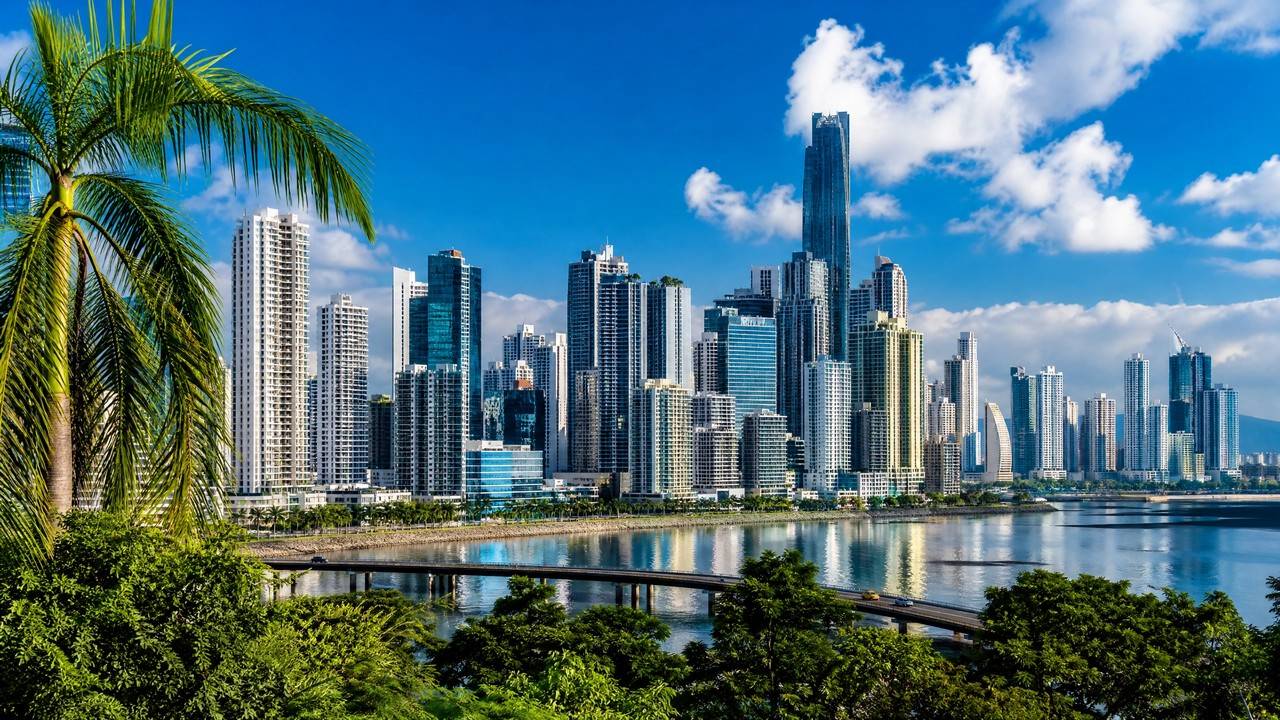
The Calzada de Amador is a long causeway running out into the Pacific on the west side of Panama City, starting from the land near the Ancon district and linking four small islands in sequence, Naos, Culebra, Perico and Flamenco. The causeway is made of rock dug out of the canal. Construction began in 1913 using spoil from the Culebra Cut, also called the Gaillard Cut, the hardest section of the canal. Engineers needed somewhere to dump millions of cubic metres of excavated material, and the result, entirely by accident, became one of the most scenic waterfronts in Central America. A later expansion used spoil from the 2016 canal widening project, so it is built from the physical remains of two generations of canal history. Two things usually got wrong. First, its length has never been officially published: tourism authorities say about six kilometres, other sources give four or eight, and the canal authority does not state one at all, the gap coming from different parties measuring different sections. Second, it is four islands, not three. Many sources list only Naos, Perico and Flamenco and leave out Culebra, because Culebra has effectively merged with Naos and the Smithsonian's Punta Culebra Nature Center sits on it. The canal authority's official count is four. Military past: from 1920 to 1980 these islands formed part of Fort Amador, a US military installation that with Fort Grant guarded the canal's Pacific entrance, and old gun emplacements and bunker remnants can still be found on the hillsides of Naos and Culebra. In 1999, as part of the canal transfer, the land returned to Panamanian sovereignty. Access rules: free and open around the clock. This is a public road with pedestrian and cycling lanes, no gates and no ticket office. Why the view is hard to replace: from the causeway you take in three things at once, the Bridge of the Americas, the canal's Pacific entrance with the ships at anchor, and the Panama City skyline across the bay. No second place in the city does that. Three anchors along it: the Biomuseo at the start, designed by Frank Gehry and opened in 2014, Latin America's first museum dedicated to biodiversity, in the only Latin American country with a Gehry building; the Smithsonian's Punta Culebra Nature Center on Naos, with interactive marine exhibits and a dry forest trail; and Flamenco Island, the main hub with the largest marina, the ferry terminal and several restaurants, where boats to Taboga Island leave from. Sequencing: put the museum first, while it is cool and before the last-admission cutoff, then rent a bike and ride out to Flamenco, lunch at the marina, and take the nature centre on the way back. There is almost no shade at midday, so carry water and sun protection.
✨ Highlights
🛈 Practical Info
Ticket Information
| Adult | Free |
|---|
The causeway is entirely free and open all hours, no gates and no ticket office; the Biomuseo about US$15-22, the nature centre separate, rentals extra.
💡 Tips
FAQ
What are the opening hours of Amador Causeway?
The causeway is open all hours; both museums generally run Tue-Sun 10:00-18:00, subject to on-site notices
How much is the admission for Amador Causeway?
Adult: Free; The causeway is entirely free and open all hours, no gates and no ticket office; the Biomuseo about US$15-22, the nature centre separate, rentals extra.
Any practical tips for visiting Amador Causeway?
The causeway is entirely free and open all hours: a public road with no gates and no ticket office, and walking, running, cycling and skating cost nothing. It is four islands, not three: Naos, Culebra, Perico and Flamenco. Culebra has merged with Naos, and the canal authority's official count is four.
How long should I spend at Amador Causeway?
A typical visit takes Half a day to a full day.