Casco Viejo (San Felipe)

Quick Facts
- Location
- Panama, Panama City
- Category
- Old Town & Historic District
- Duration
- Half a day to a full day
- Opening Hours
- The district is open at all hours and free to enter; individual churches and museums set their own hours, so check notices on the day; dusk into night is the best atmosphere.
- Ticket Price
- Adult: Free · Free to enter the district; churches and museums set their own admission, the small ones such as the Canal Museum being inexpensive; check on site.
- Address
- San Felipe (Casco Viejo), Panama City, Panama
- Coordinates
- 8.9512, -79.5367
Introduction
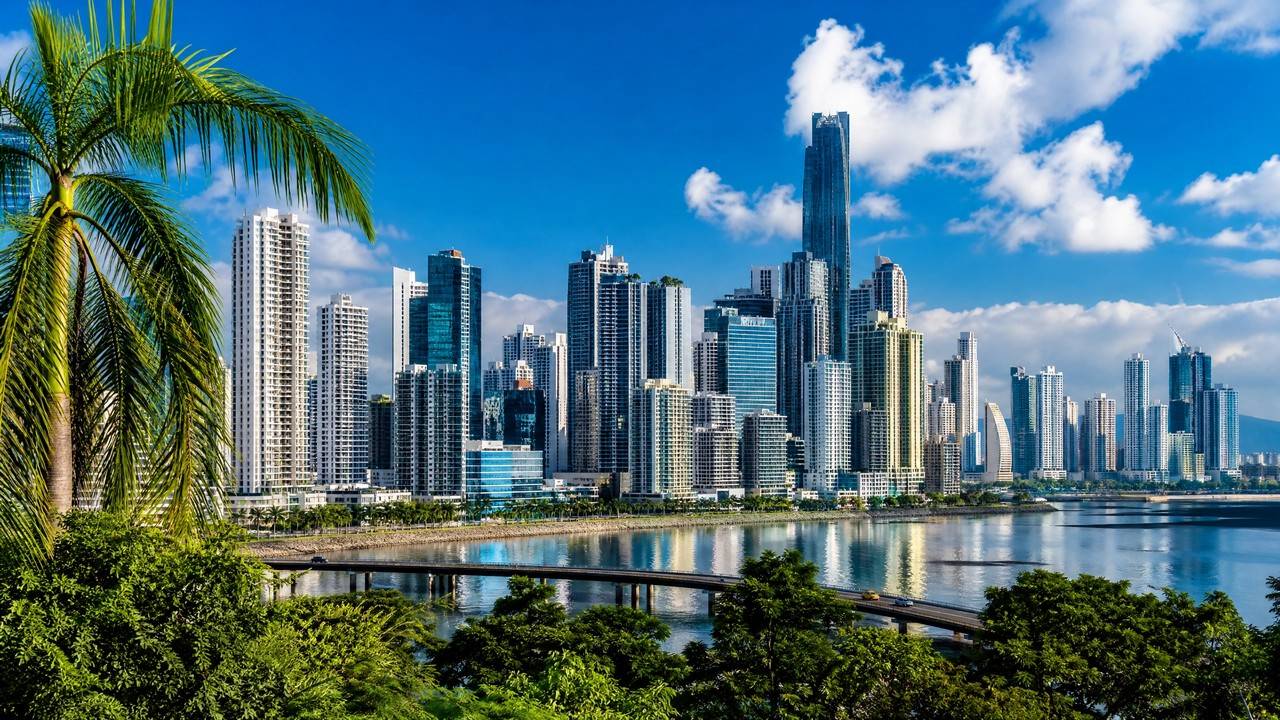
San Felipe, the old quarter known as Casco Viejo or Casco Antiguo, is the historic district of Panama City, set on a peninsula cut off by the sea. Why this old town exists: Panama City was founded on 15 August 1519 as Panama Viejo. In January 1671 the pirate Henry Morgan attacked and looted the city, and the governor Juan Perez de Guzman had it set on fire before the enemy arrived rather than let it fall into their hands, so the old city was almost totally destroyed. The new city was formally founded on 21 January 1673 on a peninsula completely isolated by the sea and ringed by a defensive wall system. Form and change: three large fires in the eighteenth century altered the original layout, and the configuration you see today dates from the late nineteenth and first half of the twentieth century. That rebuilding inserted neoclassical and Afro-Antillean buildings among the ruins and colonial ones, which is what distinguishes it from old towns like Cartagena and Quito that are almost exclusively colonial. Heritage status: inscribed on the World Heritage List in 1997 under the official name Archaeological Site of Panama Viejo and Historic District of Panama, reference 790, and extended in 2003. Note that this one inscription covers both the 1519 city ruins and the 1673 Casco Viejo: two halves of one property, not two separate sites. Three details worth stopping for: the Arco Chato of the Santo Domingo convent, a flat arch that has stood for centuries without support and the most recognisable architectural detail in the quarter; the golden altar of the Iglesia de San Jose, which local tradition says was painted black and hidden to keep it out of Morgan's hands; and the Plaza de Francia, laid out in honour of French efforts on the canal and one of the best resting places on the seaward side. Gentrification, which you should know about: the district has undergone marked gentrification in recent years, with restaurants, boutique hotels and nightclubs arriving in numbers and tourist pressure rising sharply. That has brought restoration money and commercial energy, along with the displacement of original and lower-income residents. It is a historic district and a community still changing. Practical: the district is open at all hours and free to enter, half a day covers it on foot, dusk into night is the best atmosphere with rooftop terraces looking across at the new city's skyline, and after dark stick to main streets and lit routes while keeping phones and belongings close.
✨ Highlights
🛈 Practical Info
Ticket Information
| Adult | Free |
|---|
Free to enter the district; churches and museums set their own admission, the small ones such as the Canal Museum being inexpensive; check on site.
💡 Tips
FAQ
What are the opening hours of Casco Viejo (San Felipe)?
The district is open at all hours and free to enter; individual churches and museums set their own hours, so check notices on the day; dusk into night is the best atmosphere.
How much is the admission for Casco Viejo (San Felipe)?
Adult: Free; Free to enter the district; churches and museums set their own admission, the small ones such as the Canal Museum being inexpensive; check on site.
Any practical tips for visiting Casco Viejo (San Felipe)?
The district is open at all hours and free to enter; churches and museums set their own hours and admission, so check notices on the day. Inscribed on the World Heritage List in 1997 and extended in 2003, under the name Archaeological Site of Panama Viejo and Historic District of Panama, reference 790.
How long should I spend at Casco Viejo (San Felipe)?
A typical visit takes Half a day to a full day.