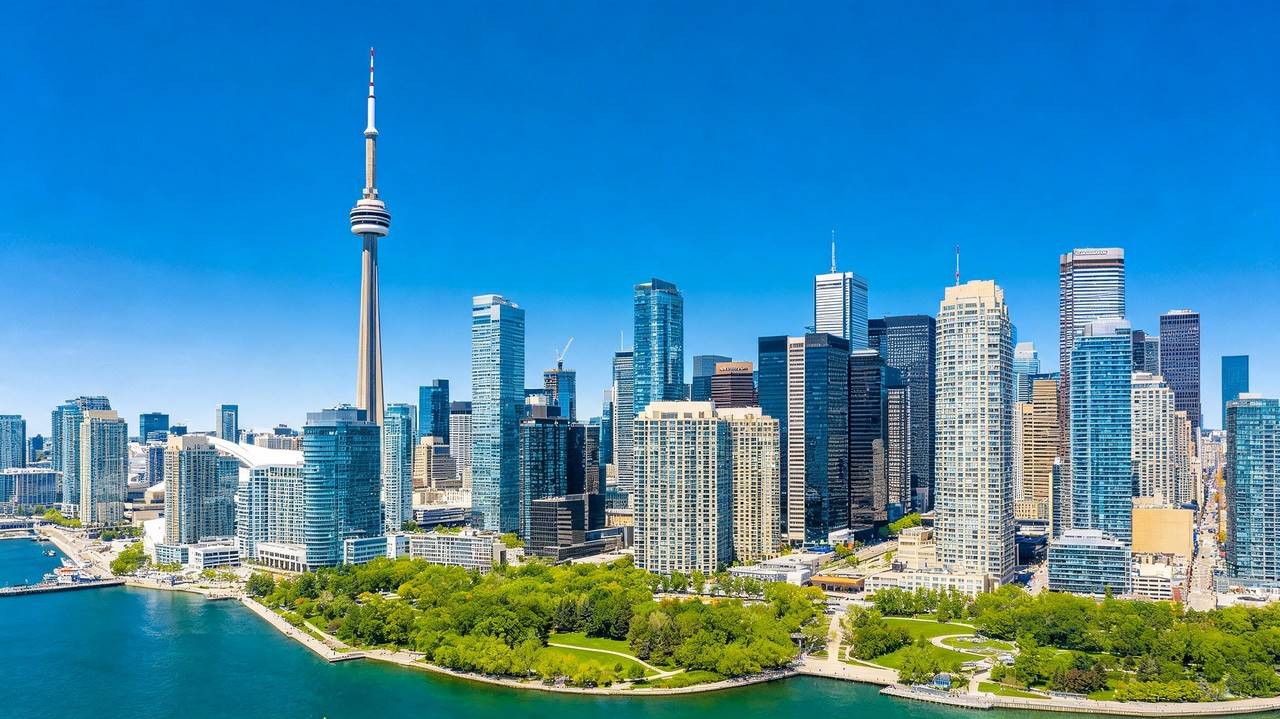
1. Before You Go: Visas, Seasons and Budgets
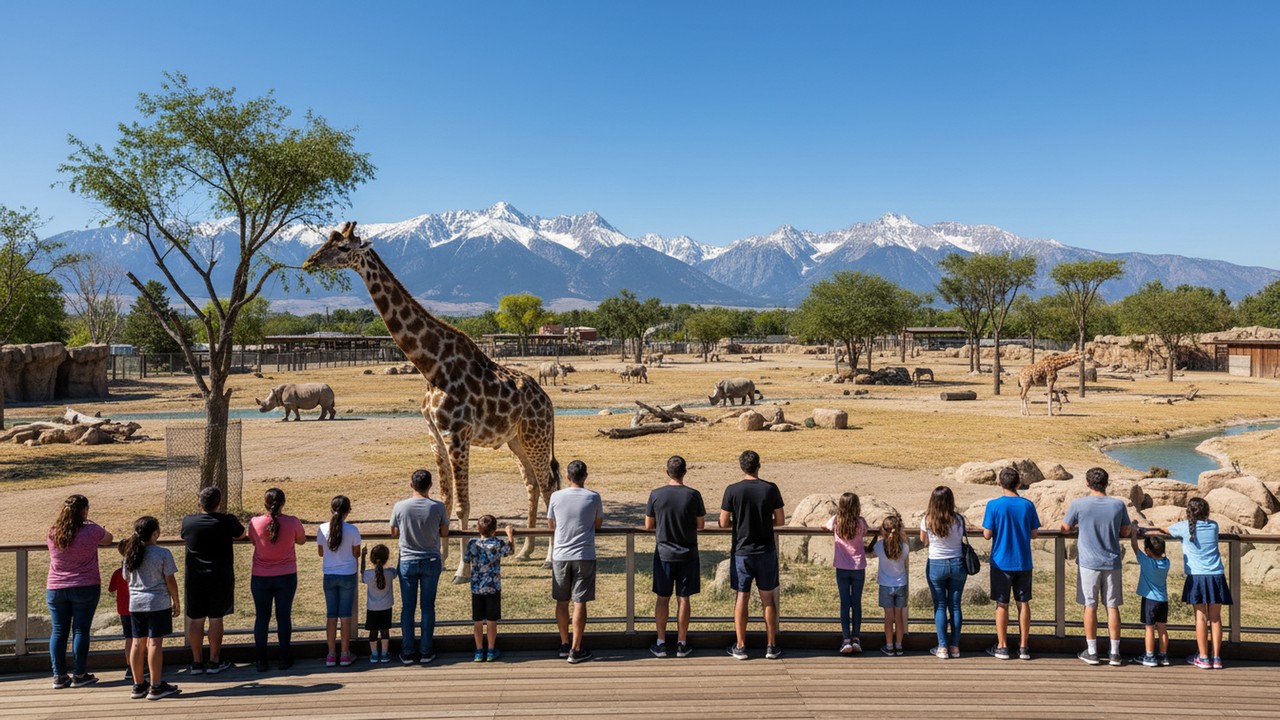
Visa: Chinese passport holders traveling to Canada (as of August 2026, source: Immigration, Refugees and Citizenship Canada (IRCC) Official Website) are required to apply for a Temporary Resident Visa (TRV). The most common type issued is a 10-year multiple-entry visa, with each stay not exceeding 6 months. It is recommended to submit your materials 4-6 weeks in advance; the online application fee is 100 CAD (approximately 72 USD / 520 CNY). Holding a valid U.S. visa may simplify some financial and travel history documentation requirements, but it does not grant visa-free entry directly.
Best Season: June to September is the best hiking season in the Rocky Mountains and western national parks, with daytime temperatures of 15-28°C; December to March of the following year is suitable for skiing in Banff and Whistler; late September to mid-October is the maple leaf season in Ontario and Quebec. Summers in eastern Newfoundland and other areas are short and cool, with snow still possible in June.
Budget Overview: Based on the August 2026 exchange rate of 1 USD ≈ 1.39 CAD, budget travelers can expect to spend approximately 150-250 CAD per day (108-180 USD / 780-1300 CNY), while comfortable travelers spend about 300-500 CAD per day (216-360 USD / 1560-2600 CNY). Airfare is the largest single expense, with round-trip economy class tickets between major Chinese cities and Vancouver or Toronto, including taxes, costing approximately 6,000-12,000 CNY.
2. Transportation Details: Getting There and Getting Around
Getting There
A direct flight from Beijing to Toronto takes about 13 hours, while a direct flight from Shanghai to Vancouver takes about 11 hours. Canada's main international gateways are Toronto Pearson International Airport (YYZ) and Vancouver International Airport (YVR). From the airport to downtown, Toronto offers the UP Express airport train, which reaches Union Station in 25 minutes for a fare of 12.35 CAD (about 9 USD / 64 CNY, as of August 2026, source: UP Express Official Website); in Vancouver, take the Canada Line SkyTrain, which reaches the city center in 28 minutes, with a fare of approximately 7.75 CAD.
Domestic Intercity Transportation
- Airplane: Toronto → Vancouver takes approximately 5.5 hours, with economy class fares of 200-500 CAD, making it the most practical option for cross-country travel
- VIA Rail: Toronto → Montreal takes about 5 hours, with economy class fares of 100-200 CAD (as of August 2026, source: VIA Rail Official Website); the "Canadian" panoramic train from Vancouver to Jasper takes 2 days and 1 night
- Long-distance bus: Toronto → Niagara Falls takes about 1.5 hours, with fares of 30-50 CAD; Montreal → Quebec City takes about 3 hours, with fares of 40-60 CAD
- Car rental: Banff → Lake Louise is about a 1-hour drive; Calgary → Banff is about 1.5 hours. Advance booking is recommended; during peak season (June-September), car rental costs 70-120 CAD/day (about 50-86 USD / 364-624 CNY), including basic insurance
City Transit Card Comparison
| City | Transit System | Single Ride Fare | Day/Week Pass |
|---|---|---|---|
| Toronto | TTC Subway and Bus | 3.35 CAD | Day Pass 13.50 CAD |
| Vancouver | TransLink SkyTrain and Bus | 2.60-4.60 CAD (by zone) | Day Pass 11.25-14.50 CAD |
| Montreal | STM Metro and Bus | 3.75 CAD | Week Pass 30 CAD |
(As of August 2026, sources: TTC Official Website, TransLink Official Website, STM Official Website)
Most cities support contactless payment with credit cards (e.g., tapping Visa/Mastercard directly at the fare gates), eliminating the need to purchase a separate transit card. Except for the Rocky Mountains, public transportation in major cities such as Vancouver and Toronto is sufficient to cover the main attractions, and car rental within city limits is not recommended.
3. Accommodation Recommendations: By Area and Budget
| Region | Features | Comfort Hotel Price (CAD/night) |
|---|---|---|
| Downtown Toronto (Union Station/Entertainment District) | Transportation hub, walking distance to CN Tower and aquarium | 200-300 CAD (144-216 USD / 1040-1560 CNY) |
| Vancouver Gastown/Yaletown | Historic district with converted old warehouses, near waterfront trails | 220-350 CAD (158-252 USD / 1144-1820 CNY) |
| Banff Town | Base camp for the Rocky Mountains, concentrated restaurants and outdoor gear shops | 250-400 CAD (180-288 USD / 1300-2080 CNY) |
| Montreal Old Town/Plateau | Concentrated European-style architecture, strong Francophone cultural atmosphere | 180-320 CAD (129-230 USD / 936-1664 CNY) |
| Niagara Falls Viewing Area | Most hotels are within a 10-minute walk to the falls | 150-280 CAD (108-201 USD / 780-1456 CNY) |
During Banff's peak season (July-August), hotels must be booked 3-4 months in advance; during the off-season (November-April), prices can drop by 30%-40%. Hostel beds cost approximately 40-60 CAD/night, suitable for solo hikers.
4. Must-Visit Attractions: Tickets, Opening Hours, and Transportation
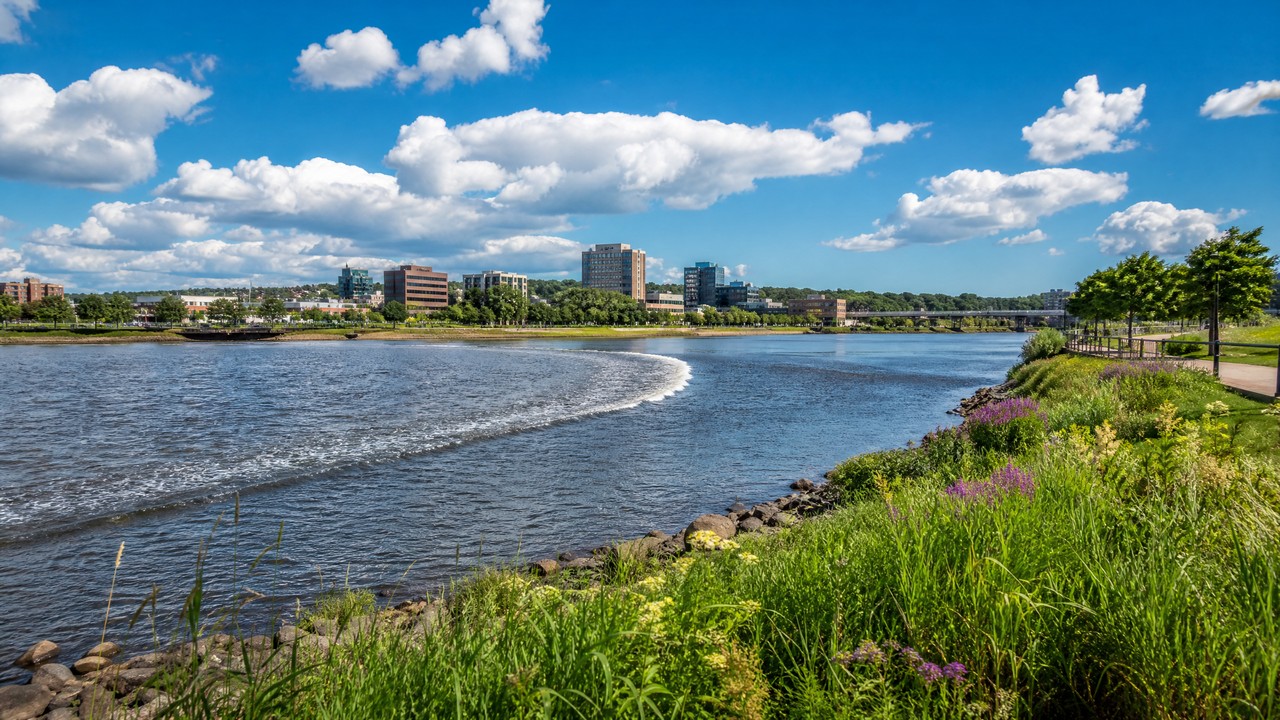
Travelers' most frequently visited attractions in Canada can be planned in three categories: "National Parks — City Landmarks — Natural Wonders." It is recommended to visit no more than 3 attractions per day to ensure an in-depth experience.
Banff National Park (Banff National Park, Canadian Rockies, Alberta): Canada's first national park. The moraine-fed Lake Louise and Moraine Lake are iconic sights. Admission is a daily pass of 11.00 CAD/adult (approximately 8 USD / 57 CNY), free entry after 5:00 PM; the annual pass is approximately 145.25 CAD (as of August 2026, source: Parks Canada website). Open year-round, but from June to September, the Lake Louise parking lot requires advance reservation of a time slot.
Niagara Falls (Niagara Falls, Ontario): Composed of Horseshoe Falls, American Falls, and Bridal Veil Falls. Viewing is free; the "Maid of the Mist" boat ride costs approximately 36.25 CAD (approximately 26 USD / 188 CNY). Open year-round; the frozen ice formations at the edge of the falls in winter are a special sight.
CN Tower (CN Tower, Downtown Toronto): A 553.3-meter landmark building. The observation deck adult ticket costs approximately 43 CAD (approximately 31 USD / 224 CNY), including the glass floor and 360-degree views. Opening hours are typically 10:00-21:00, adjusted seasonally; it is recommended to purchase tickets in advance on the official website.
Stanley Park (West side of downtown Vancouver): A free-access seaside forest park. Cycling the seawall loop is about 9 km, ideal for an evening stroll. The park's Indigenous totem poles and the Vancouver Aquarium are worth stopping at.
Old Quebec (Upper Town, Quebec City): A UNESCO World Heritage Site; entry to the streets within the city walls is free. The exterior of the Fairmont Le Château Frontenac can be photographed for free, while interior visits have a minimum dining/purchase spending requirement.
5. Itinerary Recommendations: 3-Day, 5-Day, and 7-Day Plans
3-Day Plan (Toronto + Niagara Falls)
- Day 1: Downtown Toronto, Union Station → CN Tower → Aquarium or Royal Ontario Museum
- Day 2: Niagara Falls boat cruise + free time, watch the light show in the evening
- Day 3: Toronto Islands cycling or St. Lawrence Market brunch, then depart
5-Day Plan (Vancouver + Victoria)
- Day 1: Vancouver city, Stanley Park cycling + Gastown
- Day 2: Granville Island Public Market + Vancouver Art Gallery
- Day 3: Take BC Ferries to Victoria, visit the Parliament Buildings and Butchart Gardens (tickets approximately 43 CAD)
- Day 4: Victoria Fisherman's Wharf, return to Vancouver in the afternoon
- Day 5: Capilano Suspension Bridge Park, then depart
7-Day Plan (Round trip from Calgary, Rocky Mountains highlights)
- Day 1: Arrive in Calgary, rent a car and drive to Banff Town (1.5 hours)
- Day 2: Banff Sulphur Mountain gondola + Bow Falls
- Day 3: Lake Louise and Moraine Lake, hike the lakeside trails
- Day 4: Self-drive the Icefields Parkway to Jasper National Park, passing the Columbia Icefield en route
- Day 5: Jasper's Maligne Lake and Pyramid Island, light hiking
- Day 6: Return to Banff, relax in the Sulphur Mountain hot springs
- Day 7: Return to Calgary via Kananaskis, then depart
Flexible Adjustment Suggestions
- When the weather is bad: If it rains in Banff, switch to hot springs or visit the Banff Park Museum; if it rains in Toronto, go to the Royal Ontario Museum (ROM); if it rains in Vancouver, go to the Vancouver Art Gallery
- Optional attractions: The CN Tower observation deck in Toronto is worth going up on clear days, but if it's overcast with poor visibility, consider rescheduling; the "Maid of the Mist" in Niagara may be suspended in winter due to strong winds, so check the official website before heading out
- Must-do priorities: For first-time visitors, Banff National Park, Niagara Falls, and Old Quebec City should be on the "can't miss" list
6. Food Guide: Local Recommendations and Pitfalls to Avoid
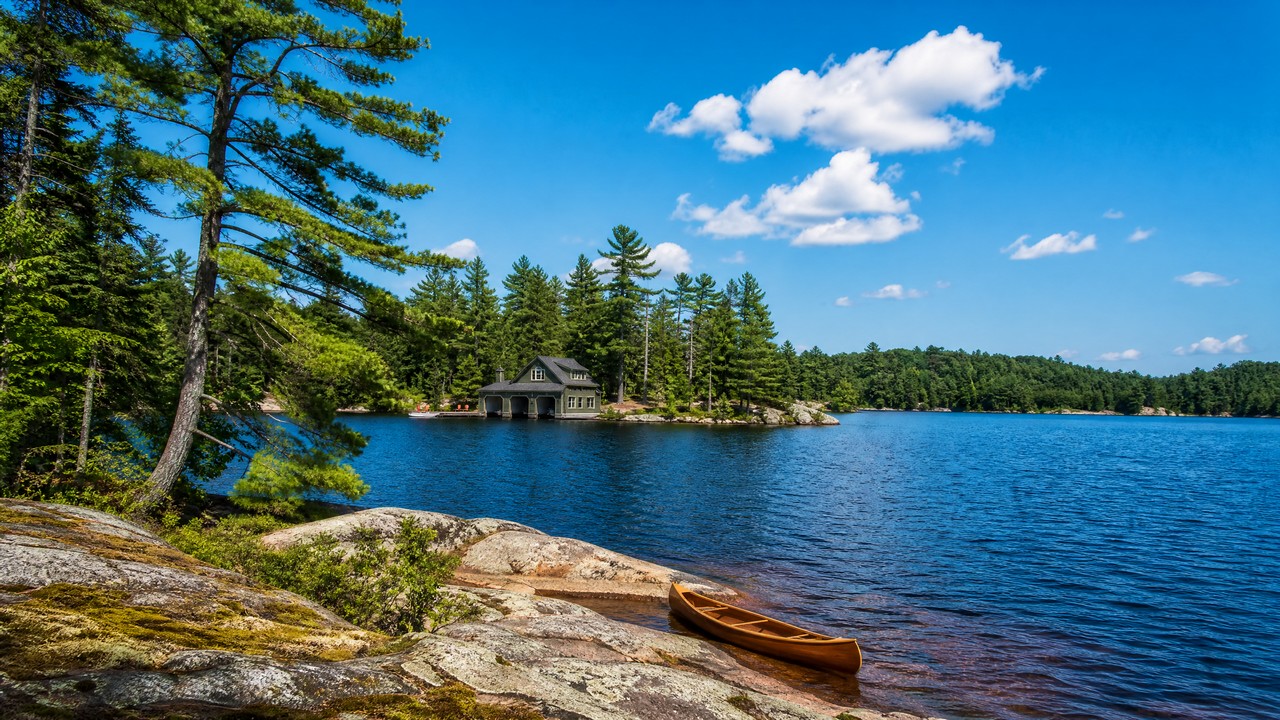
Poutine: Originating from Quebec. Montreal's La Banquise offers over 30 varieties, with a regular portion costing about 12 CAD (approximately 9 USD / 62 CNY); most bars in Toronto also have it on their menus, but authentic cheese curds are called "Squeaky Cheese."
Montreal Smoked Meat: Schwartz's Deli has been in business since 1928. Its signature smoked beef sandwich costs around 14 CAD and is quite substantial—recommended to share one between two people, paired with pickles and beer.
Maple Syrup: Ontario and Quebec have numerous maple farms. Bottled maple syrup is graded by purity and density. In supermarkets, "Light/Amber" grade maple syrup is over 30% cheaper than in tourist souvenir shops. Look for the label "100% Pure Maple Syrup" in English.
Nanaimo Bar: A representative dessert of the West Coast, originating from Nanaimo, BC. Bakery shops sell them for 3-5 CAD per piece, and coffee shops often pair them with Americano.
Pitfall warnings: Canadian restaurant bills often have a 15%-18% tip reference line pre-printed; giving 15% on the pre-tax amount is sufficient. Restaurants inside tourist areas are generally 15%-20% more expensive than those two streets away. Some bars charge a "service surcharge" on live music nights without prior notice, so check the bill details when paying.
7. Practical Tips: Safety, Language, Payment, and Communication
Safety: When self-driving in the Canadian Rockies, watch for wildlife crossing highways and avoid driving at night. Thunderstorms are common in mountain areas in the afternoon, so bring a waterproof layer when hiking. In large cities like Toronto and Vancouver, homeless people gather in downtown areas at night—avoid walking alone in alleys. Emergency number: 911 (police/fire/ambulance).
Language: English is widely spoken; French is the official language in Quebec, but most service staff in tourist areas can communicate in English. In Old Montreal, start with "Bonjour" when speaking to someone—you'll get a much friendlier response when switching to English.
Payment: Credit cards (Visa/Mastercard) are accepted almost everywhere—taxis, street vendors, and parking meters all take cards. It's recommended to carry 50-100 CAD in cash for the occasional Chinese restaurant or small inn that only accepts cash. US dollars are sometimes accepted in tourist areas, but the exchange rate is usually unfavorable.
Communication: The three major carriers—Rogers, Bell, and Telus—have the most extensive coverage. Tourist prepaid SIM cards cost about 30-50 CAD for 30 days (including 5-15GB of data). Signal is unstable in mountain national parks like Banff, so download offline maps in advance.
8. Frequently Asked Questions (FAQ)
Q: What visa do Chinese citizens need to travel to Canada?
A: You need to apply for a Temporary Resident Visa (TRV). Your passport must be valid for at least 6 months beyond your intended departure date; required documents include proof of funds (a balance of no less than 50,000 CNY is generally recommended), proof of employment or enrollment, and a travel itinerary. The visa fee is 100 CAD, and biometric fingerprinting costs 85 CAD, totaling 185 CAD (approximately 133 USD / 962 CNY). Processing time averages 4-6 weeks, but may extend to over 8 weeks during peak season (April-June). Source: IRCC Official Website.
Q: Is self-driving convenient in Canada? Can I use a Chinese driver's license?
A: The Rockies, BC, and the Maritime provinces are all suitable for self-driving, with overall good road conditions. Chinese driver's licenses are accepted in most provinces (including Alberta and British Columbia), but you must carry the original license along with an officially recognized translation or certification (such as an International Driving Permit IDP or a notarized translation). Rental companies typically require drivers to be at least 21 years old, and those under 25 must pay a "young driver surcharge." It's recommended to purchase the rental company's full waiver insurance.
Q: When is the best time to visit Canada?
A: There is no single best time: June-September is ideal for hiking and camping in the Rockies, but accommodation and rental car prices rise by about 30%; December-March is ski season in Banff and Whistler, with Vancouver temperatures around 0-7°C, relatively mild; late September to mid-October is the peak period for fall foliage in Ontario and Quebec, requiring early hotel bookings. If your itinerary includes both eastern and western Canada, prioritize summer—winter flight delays are more likely.
Q: How much does it cost per day to travel in Canada?
A: Budget (hostel + public transit + simple meals): approx. 150–250 CAD/day; Comfort (4-star hotel + restaurants + some taxis): approx. 300–500 CAD/day. Total cost for a 7-day itinerary (excluding international flights): approx. 1,500–3,500 CAD (approx. 1,080–2,520 USD / 7,800–18,200 CNY). More detailed cost breakdown: accommodation 45%, meals 25%, transportation 20%, tickets and entertainment 10%.
Q: How do I get to Niagara Falls? Do I need an additional visa?
A: It's about a 1.5-hour drive from downtown Toronto; alternatively, you can take the GO Transit train from Union Station to Niagara Falls station and then transfer to a bus — about 2 hours one way, costing 30–50 CAD. The falls themselves are located on the Canadian side, so a valid Canadian visa is all you need. The "Maid of the Mist" boat ride will briefly approach U.S. waters, but no U.S. visa is required; however, if you plan to walk across the Rainbow Bridge to the U.S. side, a valid U.S. visa is required.
Practical Resources
1. Reference Resources (Official Source Links)
- Immigration, Refugees and Citizenship Canada (IRCC) — Visa policy and temporary resident applications
- Parks Canada — Banff and Jasper National Park passes and entry fees
- VIA Rail Canada — Interprovincial train schedules and fares
- Destination Canada — Destination marketing and travel information
- TTC (Toronto Transit Commission) — Toronto subway and bus fares
2. About USITrip
Founded in 2004, USITrip has long specialized in Canadian destinations, offering one-stop services such as visa consultation, flight and hotel booking, car rental, and custom itinerary planning for travelers heading to the Canadian Rockies, Toronto, and Vancouver. The platform's travel experts continuously update destination information based on on-the-ground research to help independent travelers save planning time. For further Canada itinerary advice and booking support, you can reach us through the following channels:
- Website: https://www.usitrip.com/
- North America Toll-Free Hotline: 888-887-2816
- Canada Hotline: 1-647-243-3769
- China Hotline: 400-998-8038
- Hong Kong, China Hotline: 852-5806-0465
Recommended Products
More Popular Experiences
![8 days [Pick-up from the three major airports in New York | 8 famous cities in the east of the United States and Canada] New York + Philadelphia + Washington + Boston | Toronto + Ottawa + Montreal + Quebec | Niagara Falls + Thousand Island Lake | Falls in the United States and Canada | Harvard & Massachusetts | Full luxury hotel | BOS airport drop-off | Limited time upgrade to 14-person small group](https://qiniu.usitour.com/images/picture/2019/07/detail_21_5d22ff40e5776.jpg?imageView2=2&w=1920&q=70&format=webp)
![5 days [Rocky Mountain Lights Luxury Scenic Train Series·Western Canada Corridor Tour] Banff + Yoho + Jasper National Park + Lake Louise + Emerald Lake + Moraine Lake + Pettu Lake + Columbia Icefield + Joneston Canyon](https://qiniu.usitour.com/images/picture/2019/10/detail_71_5d9b897fed670.jpg?imageView2=2&w=1920&q=70&format=webp)
![3 days [Short-distance selection·2-night camp/wilderness light chasing + 6 major spots for flexible light chasing + free aurora photography] Hakuba city tour + free activities (hot springs, dog sledding, ice fishing, sliding, etc.) + 24H free airport pick-up | 1 person group, departure every day](https://qiniu.usitour.com/images/picture/2017-08/detail_22_1502907973.jpg?imageView2=2&w=1920&q=70&format=webp)
