🌏 Destination Overview
Colombia is transforming from a once-misunderstood country into one of South America's hottest destinations. By the Caribbean, Cartagena's colorful old town is wrapped in flower walls and arcades, with horse-drawn carriages crossing colonial plazas—utterly romantic; Medellin, once troubled, is now a creative city of cable cars and street art; Bogota's Gold Museum holds treasures of Indigenous civilization, and the green valleys of the Coffee Triangle scent the air with world-famous coffee. Passionate and diverse, Colombia suits travelers who love culture, coffee and Caribbean charm.
🗓️
Best Season
Dec-Mar / Jul-Aug
🕐
Recommended Days
8-12 days
👪
Best For
Couples / Culture Lovers / Coffee Lovers
🎯
Top Activities
Old Towns · Coffee · Caribbean · Street Art
🧳
Pre-trip Preparation
Visa + Sun Protection
Popular Cities
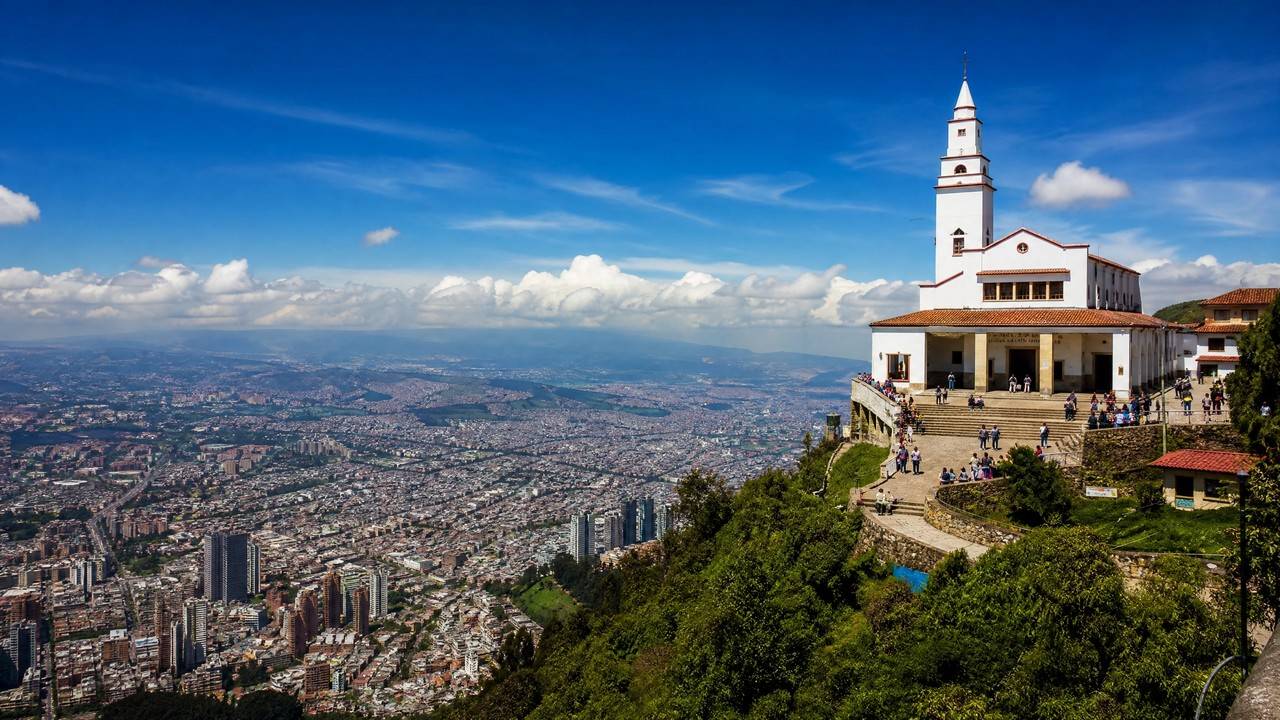
Bogota
Capital,Museum,Gateway
🔥 Highland capital, Gold Museum and street art.
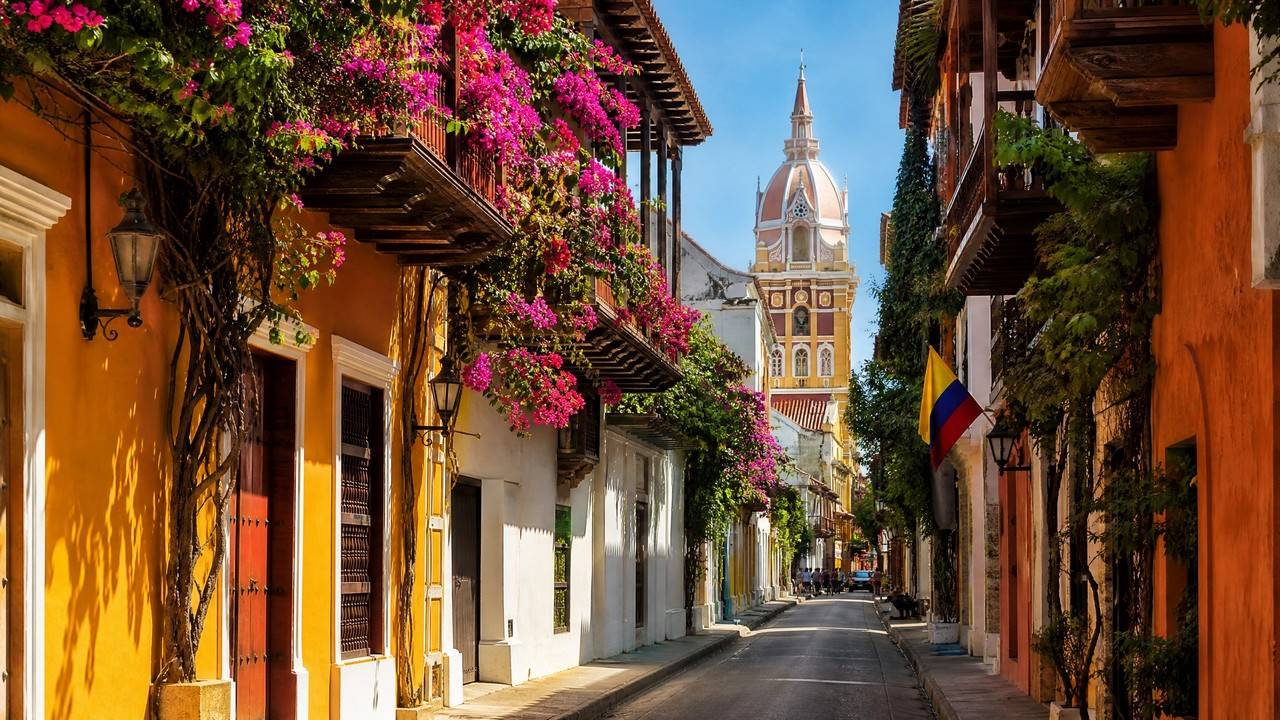
Cartagena de Indias
Old Town,Caribbean,UNESCO
🔥 Colorful Caribbean old town, romantic flower-walled arcades.
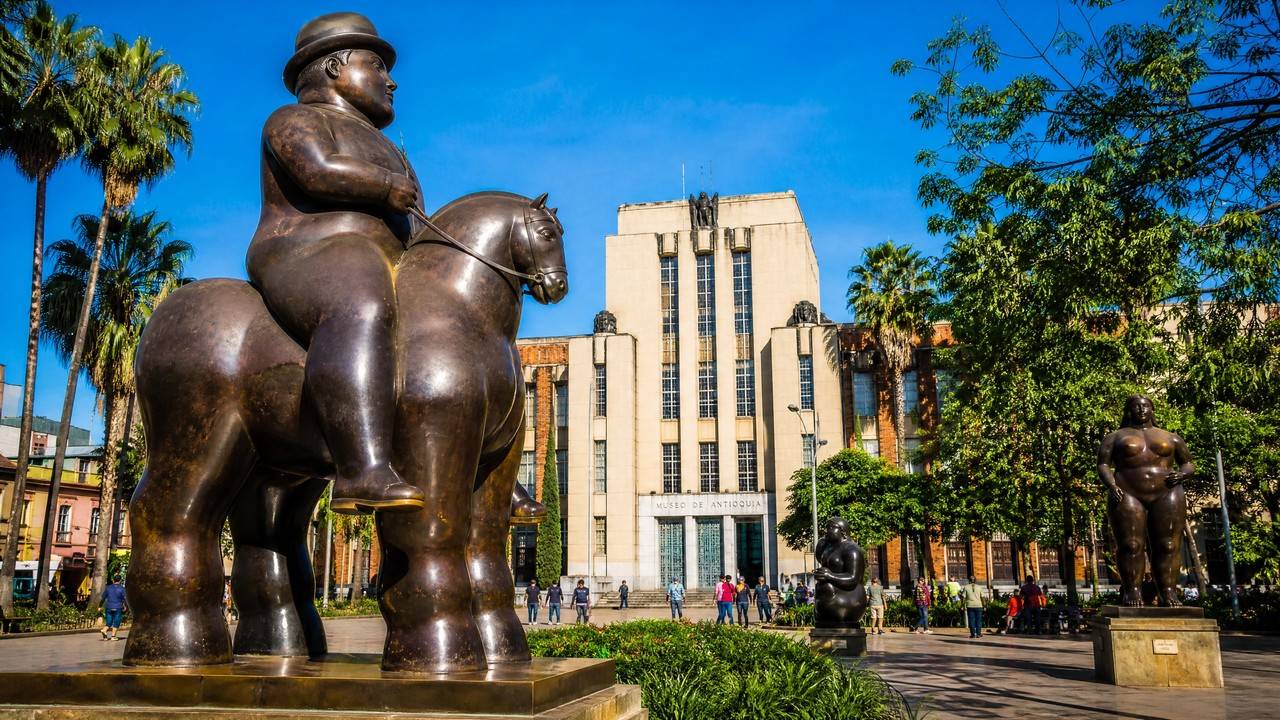
Medellín
Metropolis,Creative,Cable Car
🔥 City of Eternal Spring and creativity, cable cars and flower festival.
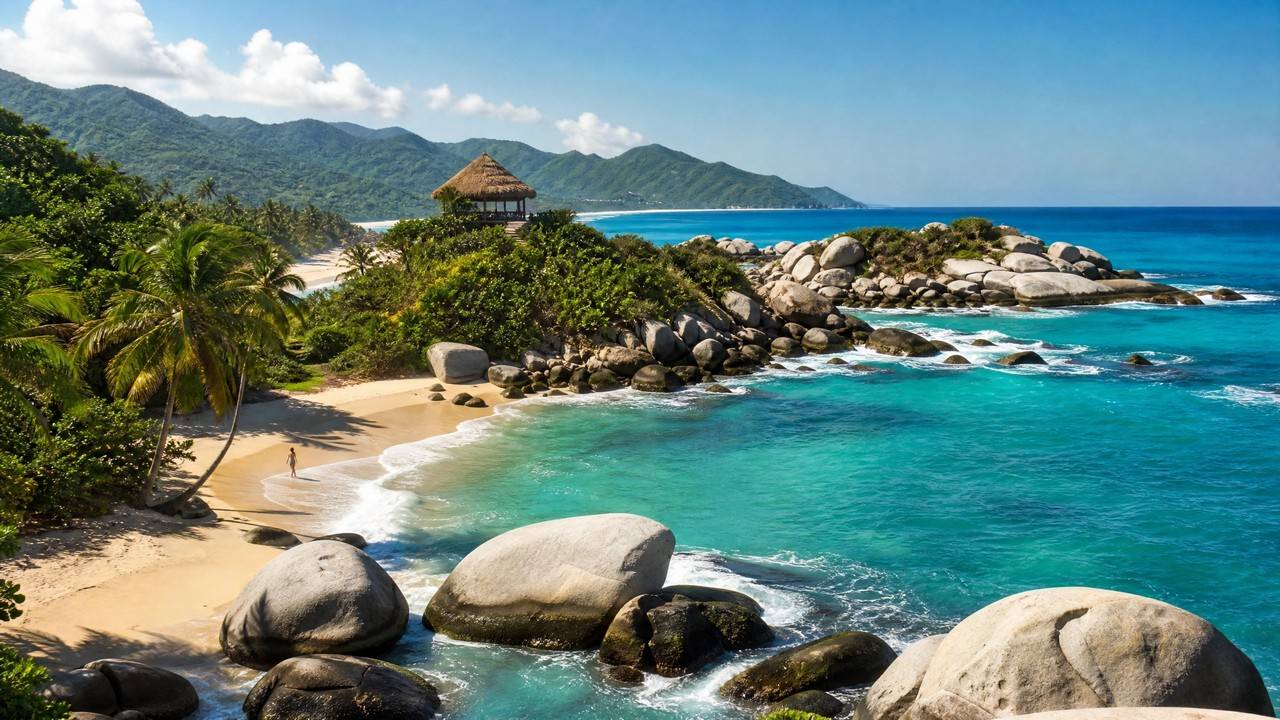
Santa Marta
Coast,Gateway,Snow Mountain
🔥 Caribbean gateway, Tayrona Park and Sierra Nevada snow mountains.
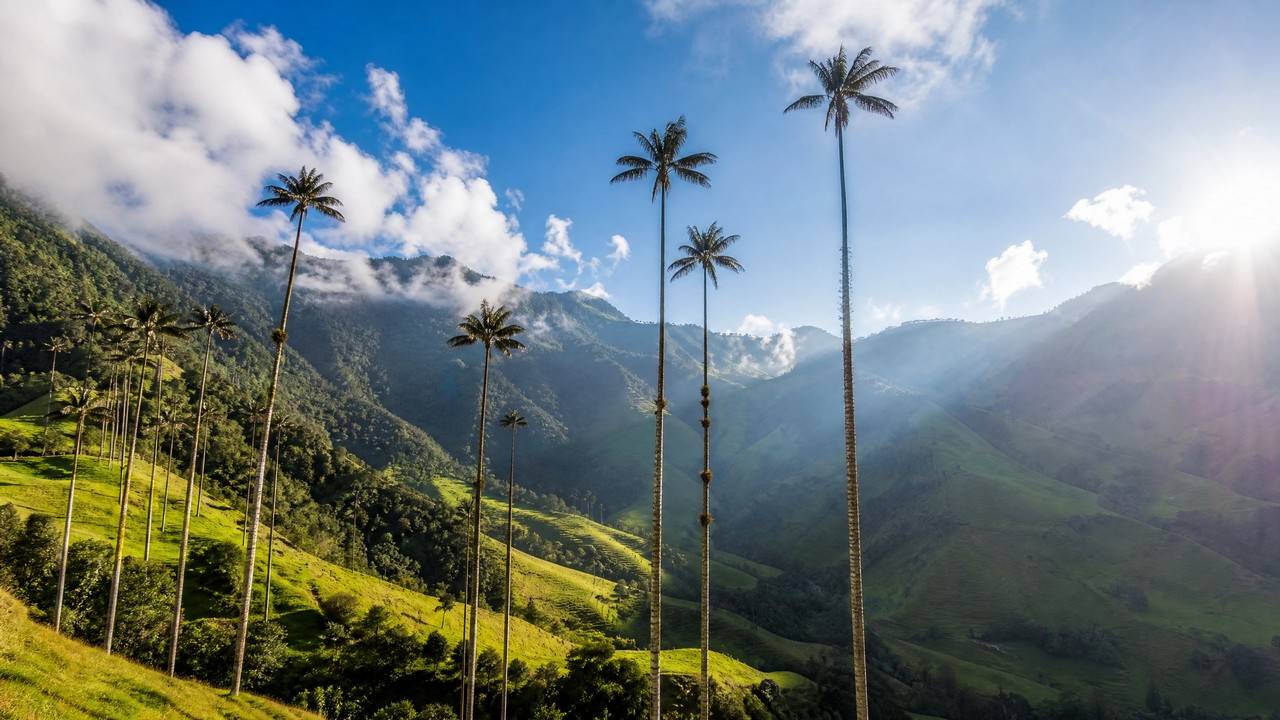
Salento
Coffee,Valley,Wax Palm
🔥 Coffee Triangle gateway, Cocora Wax Palm valley.
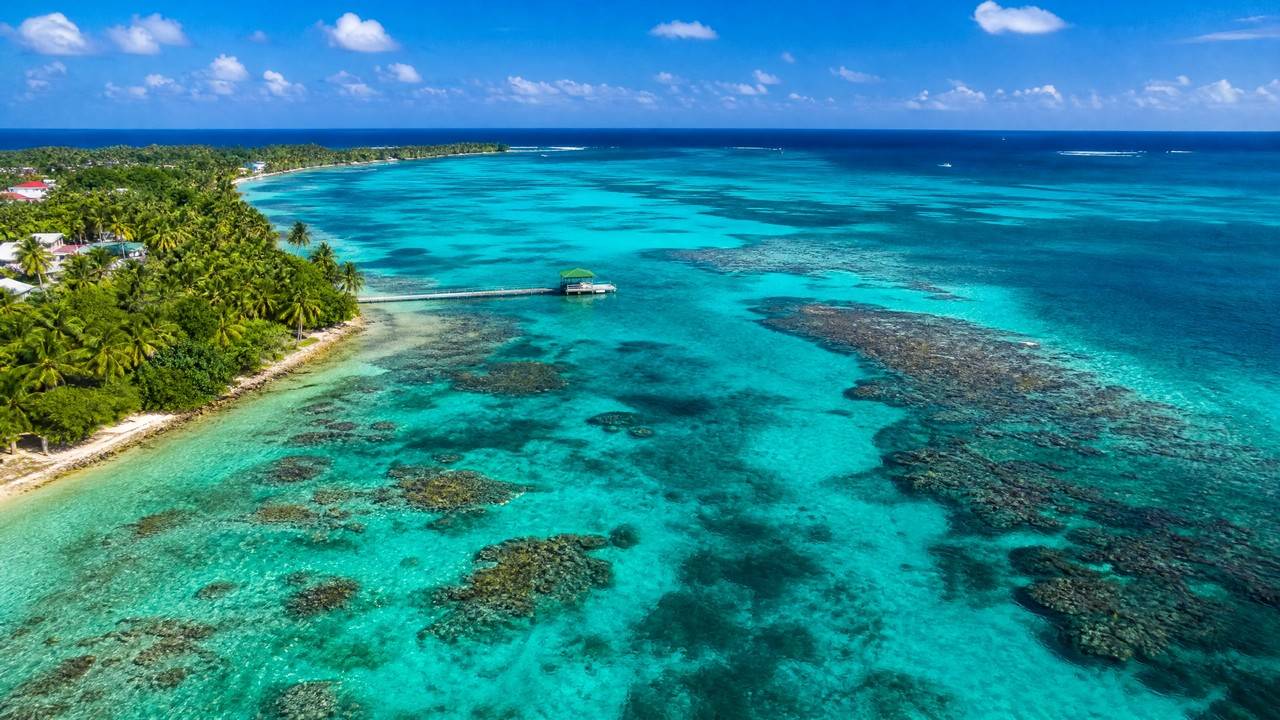
San Andres
Island,Caribbean,Diving
🔥 A Caribbean island of seven-color seas, with snorkeling and duty-free shopping.
Popular Attractions
More Attractions →Cerro de Monserrate📍 Bogota
Monserrate is the best viewpoint over all of Bogota, ~3152 m high, towering east of the city behind La Candelaria—Bogota's iconic landmark and religious pilgrimage site. Visitors take the aerial cable car or old funicular up; pious pilgrims hike the stone steps. Atop stands a 17th-century white church enshrining the "Fallen Lord" image—an important Catholic pilgrimage site. Most stunning is the unobstructed city panorama—Bogota, a highland metropolis at ~2640 m with about eight million people, spreads endlessly like a giant carpet on the highland at your feet—astounding, especially at night with ten thousand lights. The top also has restaurants, souvenir market and gardens. Taking the cable car up, overlooking this vast highland metropolis, visiting the white pilgrimage church—Monserrate is Bogota's unmissable viewpoint and cultural site.

Comuna 13, Medellín📍 Medellín
Comuna 13 in Medellin was once among Colombia's most dangerous neighbourhoods, its hillside alleys gripped by gang violence. The turning point came in 2011, when six outdoor escalator sections were built up the slope: 385 metres of escalators replaced what was effectively a 28-storey climb, reconnecting the barrio to the city. Today it is an open-air gallery — every wall painted with vivid murals telling stories from violence to rebirth. Lookouts beside the escalators sweep over the whole Aburra valley, street performers and rappers improvise, craft stalls hum. Take a tour led by locals who grew up here: the graffiti's real stories make this far more than a photo stop — it is a living case study of urban rebirth.
Parque Nacional Natural Tayrona📍 Santa Marta
Tayrona National Park lies at the foot of the Sierra Nevada de Santa Marta on the Caribbean, a Colombian treasure where nature and culture meet. Lush rainforest runs down to the sea; white-sand bays like Cabo San Juan glow like emeralds, with corals and turtles in clear water. The park also preserves ancient trails and the ruined Tayrona city of Pueblito. Hiking forest paths and coast, you meet howler monkeys, toucans and iguanas—ecotourism and beach holiday in one, and the most celebrated natural sanctuary of the Santa Marta region.

San Agustín Archaeological Park📍 Popayán
The San Agustín Archaeological Park in Huila holds the largest ensemble of pre-Columbian megalithic statuary in South America, inscribed as a UNESCO World Heritage Site in 1995. Volcanic rock was carved into expressive human, deity and animal figures scattered among meadows, burial mounds and canyons, dating from the 1st to 8th centuries; their builders and cultural roots remain a mystery. Key areas include the central museum, the Mesita A/B/C altar groups and the 'Door of Hell' (La Chaquira) overlook in a deep gorge. Wandering this quiet, enigmatic field of stone is like conversing with an ancient civilization.
Walled City of Cartagena📍 Cartagena de Indias
The walled old town of Cartagena is the jewel of Colombia's Caribbean coast, inscribed as a UNESCO World Heritage Site in 1984 as the 'Port, Fortresses and Monuments of Cartagena.' From the 16th century this colonial port, prey to pirates, threw up miles of stone walls, bastions and fortresses shielding the city. Today ochre and indigo façades, flower-draped balconies, convent plazas and bell towers intertwine within the walls, with clip-clopping carriages and street music. Wandering the San Pedro, Santo Domingo and Getsemaní districts, every step treads centuries of maritime history—among Latin America's most romantic, cinematic cities.

Catedral de Sal📍 Sipaqi
The Catedral de Sal lies buried about 180 metres underground in Zipaquira, 50 km north of Bogota — Colombia's first wonder. Rebuilt in 1995 inside old salt-mine galleries, the 120-metre nave holds thousands of worshippers beneath a 16-metre central cross, while smaller crystalline crosses line the walkways, glowing cold and strange in the half-light. The route strings together the fourteen Stations of the Cross in side chapels, salt rock flashing translucent or deep red as the lighting shifts. Above ground, a salt park adds a brine lake, mining exhibits and lookouts. Sunday mass is held here for thousands — a unique meeting point of architecture, faith and mining history.
Classic Experiences
Best Travel Seasons
🌤️
Dry season · Dec-Mar
Clear and dry, the best time
🌤️
Mid-year dry season · Jul-Aug
Pleasant climate, good for travel
🌧️
Rainy season · Apr-May/Oct-Nov
Afternoon showers, lush greenery
📅
Year-round
Tropical climate, choose region by altitude
The two dry seasons (Dec-Mar and Jul-Aug) are best for travel; Colombia's climate changes by altitude rather than season, so choose regions by destination.
Recommended Tours
View All →![[Colombia - Essence 4-Day Tour] Bogota City Tour + Salt Cathedral + Cartagena Old Town Tour | Cable Car Summit | Daily Departure | 1 Person Group (English Charter)](https://qiniu.usitour.com/images/picture/2018-06/detail_71_1529531922.jpg?imageView2=2&w=1920&q=70&format=webp)
[Colombia - Essence 4-Day Tour] Bogota City Tour + Salt Cathedral + Cartagena Old Town Tour | Cable Car Summit | Daily Departure | 1 Person Group (English Charter)
From $1419
![4 days [Chinese Private Group | Colombia Classic Tour] Bogota | Temple of the Sun + Sassahuaman + Gold Museum + Bogota Old Town + Monserrate Mountain + Salt Church](https://qiniu.usitour.com/images/picture/2016-11/detail_59_1479335561.jpg?imageView2=2&w=1920&q=70&format=webp)
4 days [Chinese Private Group | Colombia Classic Tour] Bogota | Temple of the Sun + Sassahuaman + Gold Museum + Bogota Old Town + Monserrate Mountain + Salt Church
From $1105
Popular Guide Articles
More →
Practical Info
Depends on passport/departure country; check the latest visa and entry policy before travel
Colombian Peso (COP), cards widely accepted in cities
Colombia time UTC-5; flight duration depends on departure city
SIM cards / eSIM, pocket WiFi and common travel apps
Intercity by domestic flights; rideshare apps convenient in cities
Obey local laws, mind personal belongings; emergency 123 (general)
Free Consultation
Free Consultation
Tell us your departure city, travel dates and interests, and Zou Sifang will tailor a trip just for you.