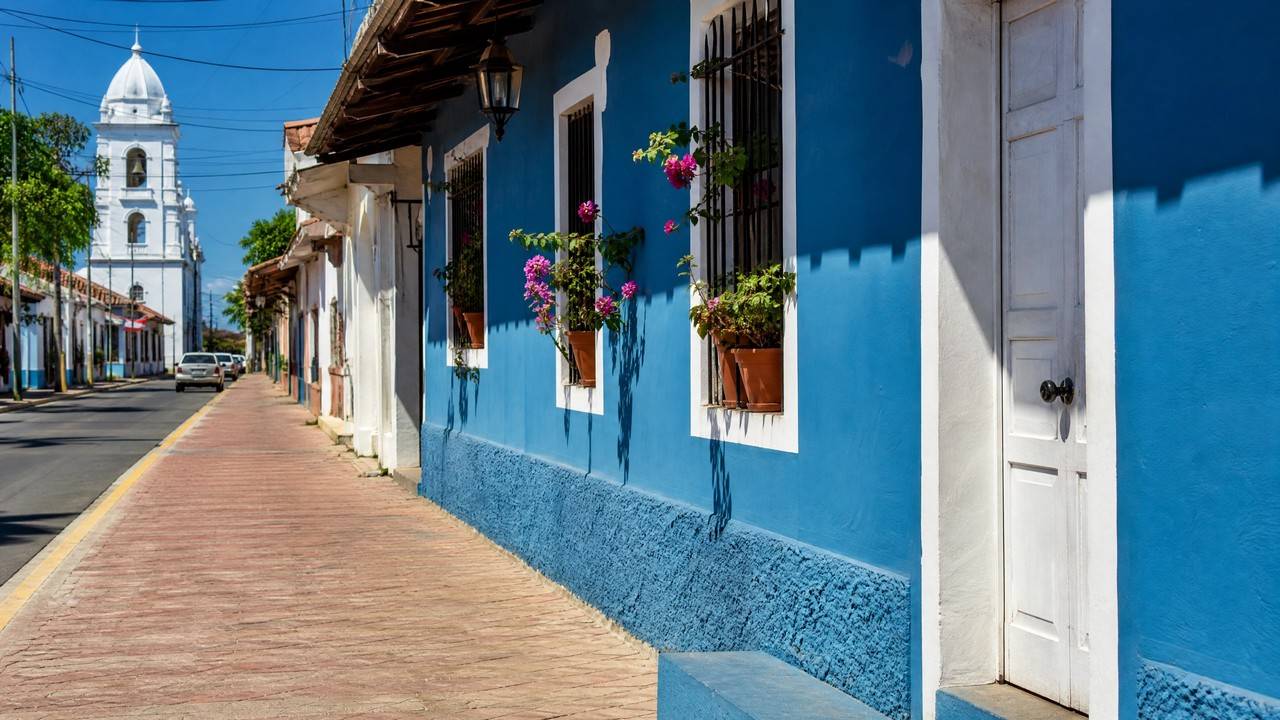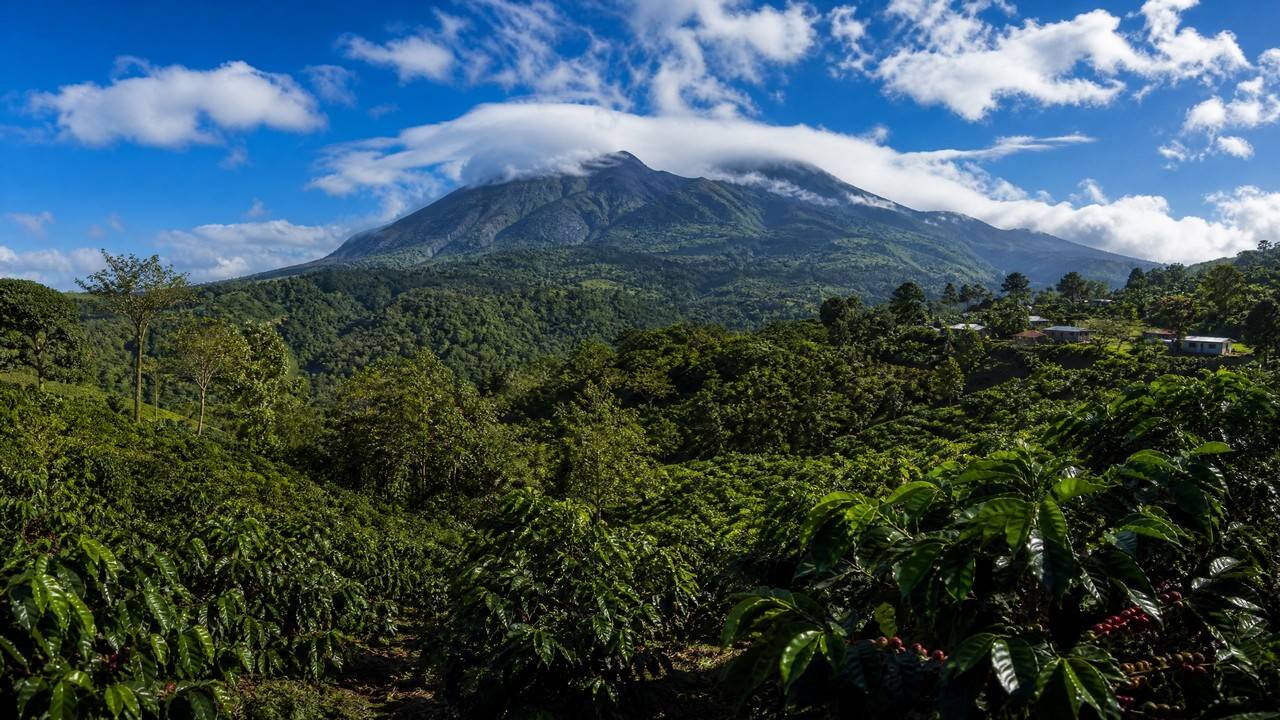
Boquete doesn't offer ocean views—it produces clouds. This coffee town, tucked into the mountains of Panama's Chiriquí Province at around 1,200 meters above sea level with an average annual temperature of 18–25°C, has been named by National Geographic as one of the world's best climates. Open your window in the morning and clouds roll up from the valley, with the scent of coffee blossoms mixed with woodsmoke—that's a typical day in Boquete.
This guide is compiled by the Zousifang platform editorial team based on an on-site visit in December 2025, feedback from multiple travelers, and official public sources. Price information is current as of January 2026.
1. Destination Overview
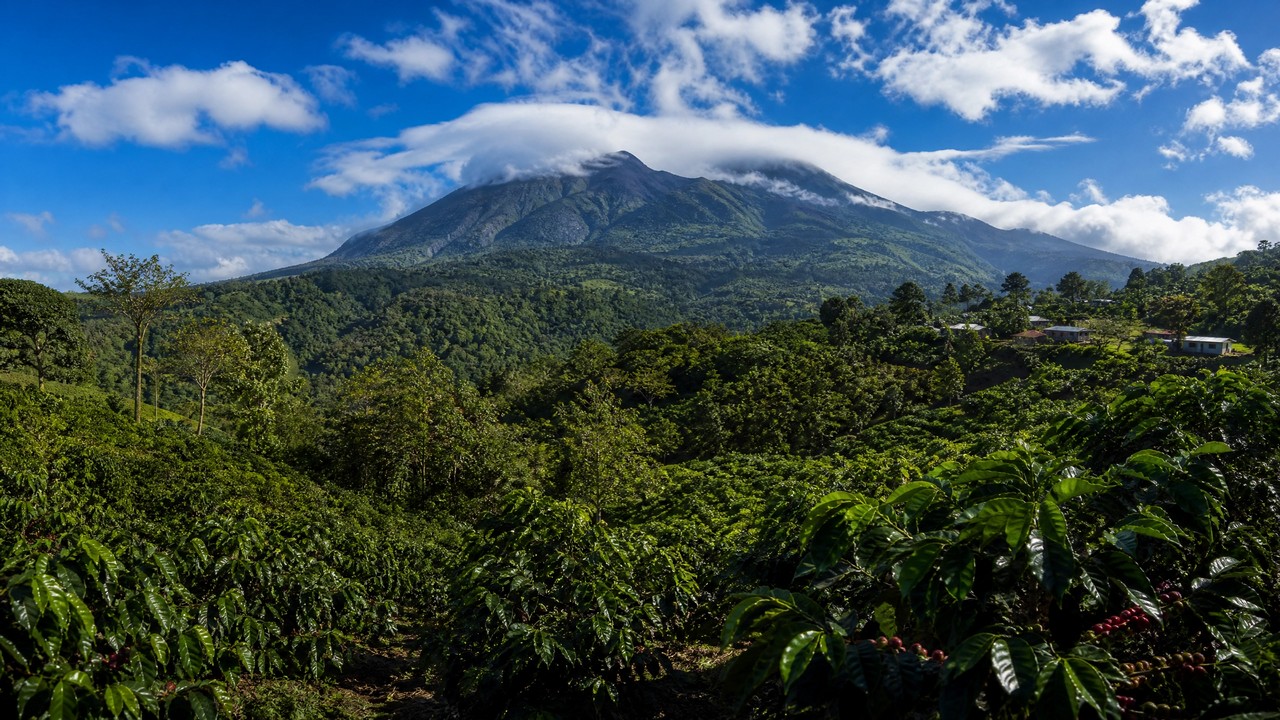
Core Highlights: Boquete is the heart of Panama's specialty coffee production, home to Panama's highest peak, Volcán Barú (3,474 meters), cloud forest hiking trails, natural hot springs, and the annual Flower and Coffee Festival (Feria de las Flores y el Café) held in January. It's also a gathering place for birdwatchers from around the world, with the endangered Resplendent Quetzal as the star attraction.
Who It's For:
- Coffee enthusiasts: visit estates to learn about Geisha variety cultivation and cupping
- Outdoor hikers: from 2-hour easy walks to the 8-hour round-trip volcano summit climb
- Families and leisure travelers: hot springs, butterfly gardens, and chocolate workshops at a relaxed pace
- Digital nomads: the town has stable fiber-optic internet and plenty of long-term rentals with kitchens
Best Time to Visit: The dry season from December to April offers dry trails and high visibility. Mid-to-late January coincides with the Flower and Coffee Festival, so book accommodations 2–3 months in advance. The rainy season (May–November) brings more precipitation, but the cloud forests feel even more magical, coffee estates see fewer visitors, and accommodation prices generally drop by 20%–30%.
2. Transportation Guide
How to Get to Boquete
There are two main ways to reach Boquete from Panama City:
| Mode | Route | Duration | Cost (as of January 2026) |
|---|---|---|---|
| Long-distance bus | Albrook Terminal, Panama City → David → Boquete | Approx. 8–9 hours | $25–35 USD (25–35 PAB / 178–249 CNY) |
| Plane + bus | Panama City → Enrique Malek Airport (DAV), David, then taxi/shuttle | 1-hour flight + 1-hour overland | One-way flight $80–140 USD (568–994 CNY), overland $15–25 USD |
- Bus companies: choose Panaline or the Terminal David-Boquete route. Overnight buses departing from Panama City can save you a night of accommodation (reference: Panaline website https://panalinepanama.com
- Taxi from David to Boquete: reference price $20–25 USD per vehicle (market rate, January 2026); shared shuttle approximately $8–10 USD per person
- Private car from Panama City directly to Boquete: approximately $220–280 USD per vehicle, suitable for families of 4 or more
Getting Around Town
Boquete's town center can be explored on foot in about 20 minutes. To reach surrounding attractions, there are three main options:
- Taxi: $2–3 USD one-way within town; approximately $10–12 USD to the Caldera hot springs
- Local shared tour vans: $25–45 USD per person including pickup and drop-off, ideal for farther destinations like Volcán Barú
- Car rental: approximately $45–65 USD per day from David airport; a 4WD vehicle is more reliable for the forest roads to the volcano trailhead
3. Accommodation Recommendations
Boquete accommodations fall into three zones: town center, mountainside, and along the Chiriquí River. The town center offers convenient dining, while the mountainside has better views but taxi fares up the hill cost extra at night.
| Zone | Representative Types | Price Range (as of January 2026) | Best For |
|---|---|---|---|
| Town Center (Bajo Boquete) | Hostels, guesthouses, family inns | Dorm $15–25 USD/bed; private rooms $40–75 USD | Backpackers, budget travelers |
| Mountainside (Alto Boquete) | Boutique hotels, coffee estate lodges | $100–180 USD/night | Honeymooners, scenic-view enthusiasts |
| Along the Chiriquí River | Vacation rentals with kitchens, villas | $80–150 USD for the whole property (fits 4–6 people) | Families, long-term stays |
Practical Tips: During the dry season (December–April), budget hotels in the town center often book out well in advance. Zousifang travel experts recommend prioritizing properties with free cancellation. If you're planning a pre-dawn ascent of Volcán Barú, stay the night before in Los Naranjos or the town of Volcán at the mountain's base—that saves about 40 minutes of driving compared to staying in the town center.
4. Must-Visit Attractions
Volcán Barú (approx. 30 km northeast of town): Panama's highest peak — on clear days, you can see both the Pacific Ocean and the Caribbean Sea. The round-trip hike to the summit takes about 8 hours, setting off before dawn to watch the sunrise; alternatively, you can join a local tour that takes a 4x4 to an altitude of 3,000 meters, followed by a 1-hour hike to the top. The national park entry fee is about $5, and guide fees average $80–120 per person (including transport and breakfast, as of January 2026).
Finca Lérida (5 km northeast of town): Boquete's most renowned specialty coffee estate, with coffee grown at altitudes of 1,600–2,000 meters, featuring its own washed processing facility and bird sanctuary. A tour + coffee tasting costs around $35–50, with panoramic views of Volcán Barú. Open daily from 8:00 to 15:00; advance booking via their official website is recommended (https://fincalerida.com
Sendero Los Quetzales (cloud forest trail, from town to Volcán village): Approximately 8 km long, climbing from 1,700 to 2,200 meters above sea level — the best route for spotting the resplendent quetzal. The prime viewing window is 6:30–9:00 a.m., and hiring a guide is recommended; guide fees average $40–60 per person including transport. Parts of the trail become muddy during the rainy season, so high-top waterproof hiking boots are a must.
Caldera Hot Springs (12 km southeast of town): Natural thermal pools nestled in a mountain valley, with water temperatures of 38–42°C, popular with locals on weekends. Admission is $5–10, with basic changing facilities. Editor's note from Zou Si Fang (Travel Directions): visiting on weekday mornings means fewer crowds and the cleanest water; after soaking, drop by the old Puente de Caldera bridge along the river.
Boquete Butterfly Garden & Insect Museum (town center, Av. Central): Get up close to blue morpho butterflies and local giant beetles. Admission is about $12/adult, open daily from 9:00 to 16:30, with a visit taking about an hour. A good rainy-day backup option.
5. Itinerary Recommendations
3 Days/2 Nights (Essentials)
- Day 1: Arrive in the morning; check out the Flower & Coffee Festival / town-center market in the afternoon; enjoy a cup of estate-grown Geisha coffee in the evening
- Day 2: Pre-dawn Volcán Barú summit hike for sunrise (full day); relax at Caldera Hot Springs in the evening
- Day 3: Morning coffee tour at Finca Lérida; take the bus back to David City or Panama City in the afternoon
5 Days/4 Nights (In-Depth)
- Day 1: Arrive and acclimatize to the altitude; explore the town center and butterfly garden
- Day 2: Birdwatching along the Sendero Los Quetzales cloud forest trail (full day)
- Day 3: Volcán Barú hike
- Day 4: Coffee estate day — Finca Lérida in the morning, followed by a cupping (coffee tasting) workshop in the afternoon (approx. $40/person)
- Day 5: Half-day trip to Caldera Hot Springs before departing
7 Days/6 Nights (Relaxed)
Same as the in-depth version for the first 5 days; on Days 6–7, unwind at a vacation rental along the Chiriquí River, or head to nearby David City to visit the Mercado de David food market and experience local life.
Flexibility tips: Schedule no more than 3 attractions per day; Volcán Barú is physically demanding, so avoid consecutive long hikes the day before. If traveling in the rainy season, do the Sendero Los Quetzales trail in the morning, as afternoon thunderstorms are more likely.
6. Food Recommendations
Boquete's local cuisine is highland-style with generous portions. The top six recommendations:
- Sancocho (chicken soup): Panama's national dish — chicken stewed with cassava and corn. Street stalls at the Mercado in the town center sell it for about $3–5
- Chiriquí grilled beef (Carne a la Parilla): Mountain-grazed beef cooked over charcoal, served with grilled plantains and pickled red onion. Main course about $9–14
- Ceviche: Lime-cured seafood — the David City area version is less acidic than in the capital, with a sweeter, fresher flavor. Around $8–12
- Local specialty coffee: Lattes $3–5, single-origin Geisha pour-over $8–12 per cup (as of January 2026). Café Ruiz and Boquete Coffee Shop are consistently good
- Tropical fruit: A bag of pineapple or mango from roadside stalls costs about $1–2
- Handcrafted dark chocolate from local workshops: Made with 72%+ local cacao, bars priced at $6–10
Pitfall warning: Be cautious with bulk beans labeled "Geisha coffee" in tourist areas — authentic Geisha beans should have the estate name and cupping score printed on the packaging. "Set menus" touted by restaurants near the entrance often exclude drinks and tax, so confirm the price before ordering.
7. Practical Tips
- Visa: Chinese passport holders can enter Panama visa-free (30-day stay). Travelers holding valid visas from the United States, Schengen countries, the United Kingdom, Australia, etc., are also eligible for the same visa-free policy (as of January 2026, source: Panama National Immigration Service). Please note that final verification by the airline before boarding prevails.
- Safety: Boquete has good public security, but roads outside town are unlit at night. It is recommended to travel in groups and keep rented car belongings safe; volcano hikes require a certified guide.
- Language: Spanish is the primary language. Tourism workers in the town center speak fluent English; for remote estates, it is recommended to install a translation app on your phone.
- Payment: US dollars and Panamanian Balboas circulate at par value; change for small transactions is often given in Balboa coins. Credit cards are widely accepted in town, but estate and hot spring ticket offices mostly only accept cash, so it is recommended to carry $50–100 in cash.
- Communications: Tigo and Movistar have stable 4G signals in Boquete, with 5G coverage in the town center. Mountain hiking trails have no signal, so it is recommended to download offline maps in advance; SIM card vendors are available at the airport and in the town center.
- Time difference: UTC-5, no daylight saving time; 13 hours behind Beijing time.
- Health: Most people do not experience altitude sickness at 1,200 meters, but hikers attempting the summit section of Volcán Barú (above 3,000 meters) are advised to avoid alcohol the day before.
8. FAQ
Q: Do I need a visa to go to Boquete?
A: Chinese ordinary passport holders can enter Panama visa-free for 30 days; if you hold a valid multiple-entry visa from the United States, Schengen countries, etc., you also enjoy the visa-free policy (as of January 2026, source: Panama National Immigration Service). You must present a return flight ticket and accommodation booking upon entry.
Q: What is the best month to visit Boquete?
A: The dry season from December to April is recommended. The chance of clear skies is high, visibility at the summit of Volcán Barú is good, and it is ideal for hiking; the Flower and Coffee Festival is also held in mid-to-late January. Although the rainy season (May–November) offers a misty and atmospheric ambiance, some muddy trails and hot spring experiences may be less enjoyable.
Q: What is the most cost-effective way to get from Panama City to Boquete?
A: The long-distance bus is the most economical option, costing approximately $25–35 and taking 8–9 hours; if you want to save time, fly to David (1-hour flight, $80–140 one way) and then transfer for 1 hour by car. For two families, hiring a private car ($220–280) offers better overall value for money.
Q: What is the cost of living in Boquete?
A: It is roughly on par with Panama City. Budget travel: hostel bunk $15–25 + street food $5–8, approximately $35–50 per day; mid-range leisure: standard room $60–100 + full meal $12–18, approximately $90–150 per day, excluding attraction and activity fees.
Q: How safe is Boquete, and can I hike alone?
A: The town center has good public security; just avoid going out at night. However, the cloud forest and Volcán Barú areas have complex mountain trails and changeable weather, so hiking alone is not recommended. Guide fees from local reputable travel agencies range from $40–120 per person, including transfers and insurance, and group tours can help lower the cost.
Q: Why is Boquete's coffee famous?
A: Boquete's volcanic soil is rich in minerals, with high altitude and large temperature differences between day and night, combined with the humid environment provided by the cloud forest, causing coffee cherries to ripen more slowly and develop more complex flavors. The Geisha variety grown here has set a record of over $1,000 per pound at international auctions, and many local estates allow visitors to participate in cupping experiences.
Practical Resources
I. Reference Materials (Official Source Links)
- Panama National Immigration Service — Official agency for visa and entry policies
- Visit Panama Tourism Authority — Official destination tourism information and event calendar
- Finca Lérida — Boquete coffee estate tours and reservations
- Copa Airlines — Panama's national airline, operating the Panama City–David route
- Panaline Bus Company — Panama City–David long-distance bus service
II. About USITrip
USITrip has been deeply involved in Panama and Central American destinations for many years, providing travelers planning to visit Boquete with coffee estate reservations, volcano hiking guide arrangements, intercity transfers, and custom itinerary consulting services. Travelers can obtain one-on-one travel plans through the official website https://www.usitrip.com/ or by calling 400-998-8038.
Recommended Products
No recommended products
More Popular Experiences
No recommended products