1. Destination Overview
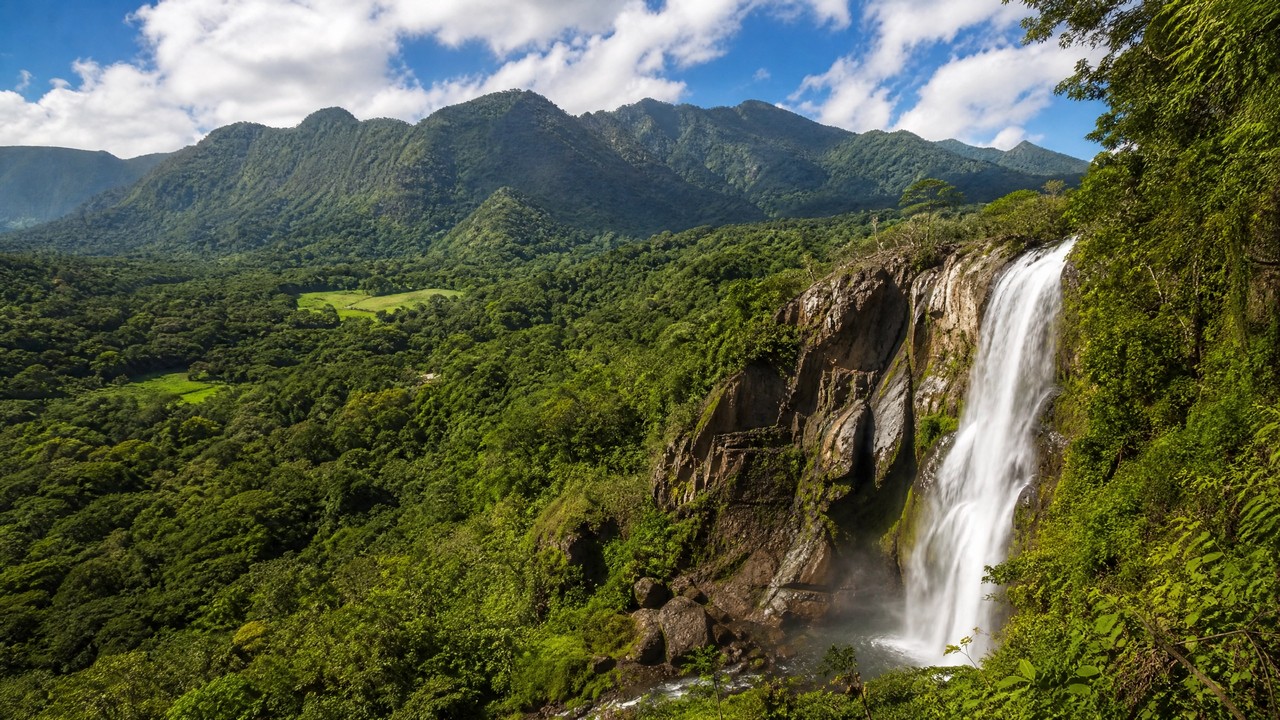
Panama is located at the southernmost tip of Central America, covering an area of approximately 75,000 square kilometers with a population of about 4.5 million. Its most distinctive feature lies in its geography: the isthmus between the Pacific Ocean and the Atlantic Ocean narrows to just about 50 kilometers at its most slender point, and it is here that the Panama Canal was built, making it possible for a ship to pass from one side of the Americas to the other.
This country caters to a wide range of travel preferences simultaneously: nature lovers can hike through rainforests, birdwatch, and snorkel; history enthusiasts can spend an entire day exploring the colonial architecture of Casco Viejo, the old town of Panama City; and family travelers will find the combination of the canal visitor center, ecological parks, and Caribbean islands to be a great fit. For travelers setting foot in Central America for the first time, Panama's urban infrastructure and public security environment are relatively friendly.
The best time to travel is during the dry season from mid-December to April of the following year, when sunny days prevail, humidity is low, and canal cruises and island itineraries are less affected by weather. The rainy season runs from May to November, with frequent afternoon showers, but airfare and accommodation prices drop significantly during this period, leading some travelers to choose this time for off-peak travel. The average annual temperature in the country's lowlands is about 27°C, while highland areas such as Boquete can drop to around 15°C at night, so a light jacket is recommended.
Visa essentials: Chinese citizens holding a valid visa or residence permit from the United States, Schengen countries, the United Kingdom, Canada, Australia, and other nations may enter Panama visa-free for a single stay of no more than 30 days (as of January 2026, source: Visit Panama - Panama Tourism Authority). Those without the above visas must apply for a tourist visa at a Panamanian embassy or consulate in China before departure.
2. Transportation Guide
How to get there: The main international gateway is Tocumen International Airport (PTY) in Panama City, located about 22 kilometers from the city center. There are currently no direct flights from China (as of January 2026); common transit options go via North America or Europe: direct flights from New York to Panama City take about 5 hours, from Miami about 3 hours, and from Toronto about 5 hours. Most journeys from major Chinese cities take 20–26 hours in total.
From the airport to downtown, you can take a taxi or ride-hailing service, costing approximately 25–35 USD/Panamanian Balboa (about 175–245 RMB), with a ride time of about 30 minutes; airport buses are also available during the day, with fares around 3 USD. Flight updates can be checked on the airport's official website (as of January 2026, source: Tocumen International Airport).
City transportation: Metro Lines 1 and 2 in Panama City cover the main urban areas, with one-way fares of 0.35–0.50 USD/Balboa (about 2.5–3.5 RMB, as of January 2026), which are more reliable than taxis during peak hours. Uber and Cabify have good coverage in the city, with short trips costing around 3–6 USD/Balboa; the Casco Viejo old town itself is best explored on foot. For intercity travel to Boquete, Colón, and other destinations, intercity buses are available, with one-way fares of approximately 10–25 USD/Balboa.
| Transportation | Applicable Routes | Cost (as of January 2026) | Notes |
|---|---|---|---|
| Metro | Panama City Lines 1/2 | 0.35–0.50 USD/Balboa | Frequent service during weekday peak hours |
| Uber/Cabify | Airport, short city trips | 3–35 USD/Balboa | Requires local phone number to register |
| Taxi | Old town and surrounding areas | 3–8 USD/Balboa | Confirm the price before getting in |
| Intercity bus | Panama City → Colón/Boquete | 10–25 USD/Balboa | Limited departures, check schedules in advance |
3. Accommodation Recommendations
Accommodation choices should revolve around your itinerary's main theme. Most travelers use Panama City as their base and then venture out to the islands or highlands.
Casco Viejo Old Town is the area with the richest historical atmosphere, featuring a concentration of boutique hotels converted from colonial-era buildings, with room rates of about 100–250 USD/night (approximately 700–1750 RMB). It suits travelers who enjoy strolling through the old town on foot and looking for bars and rooftop restaurants in the evening.
Bella Vista and the Financial District, located east of the old town, are home to international hotel chains and high-rise hotels with views, with room rates of about 80–180 USD/night (approximately 560–1260 RMB). This area offers convenient transportation, diverse dining options, and higher safety.
Around Tocumen Airport there are numerous mid-range chain hotels, with room rates of about 50–100 USD/night, suitable for travelers with longer layovers or late-night arrivals.
For trips to the San Blas Islands or Bocas del Toro on the Caribbean side, island cabins with three meals included cost about 80–150 USD/person/night, and reservations typically need to be made in advance through travel agencies or the cabins' official websites.
| Area | Price per Night (as of January 2026) | Suitable For |
|---|---|---|
| Casco Viejo (Old Town) | $100–250 USD/Balboa | History enthusiasts, nightlife |
| Bella Vista (Financial District) | $80–180 USD/Balboa | Business travel, families |
| Airport Area | $50–100 USD/Balboa | Overnight layovers |
| San Blas Islands | $80–150 USD/person (meals included) | Island vacations, quick escapes |
4. Must-See Attractions
Miraflores Visitor Center (Panama Canal, about 15 km from Panama City): The best vantage point for watching ships transit the locks, where you can see massive cargo vessels being raised and lowered up close. Tickets cost about $15 USD/Balboa (approx. 105 CNY), open 9:00–17:00, and we recommend allocating 2–2.5 hours. Weekends are busier, so try to be in the first batch entering in the morning (as of January 2026, source: Panama Canal Authority).
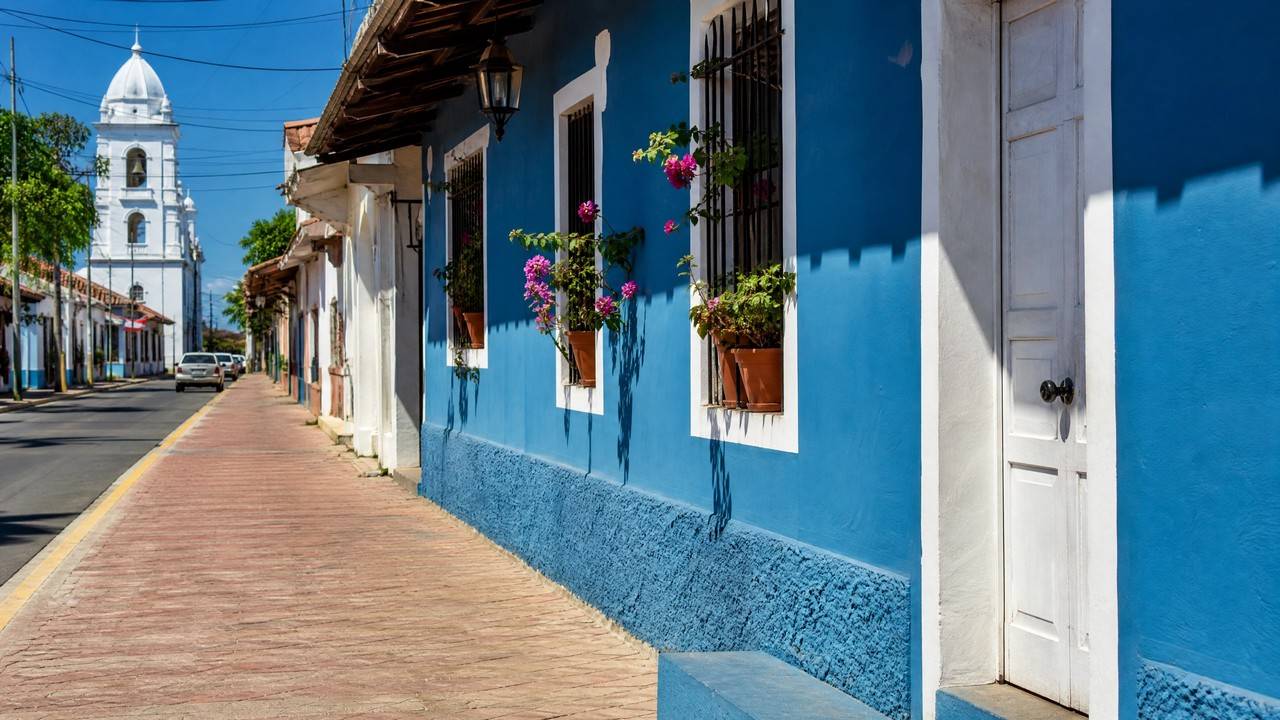
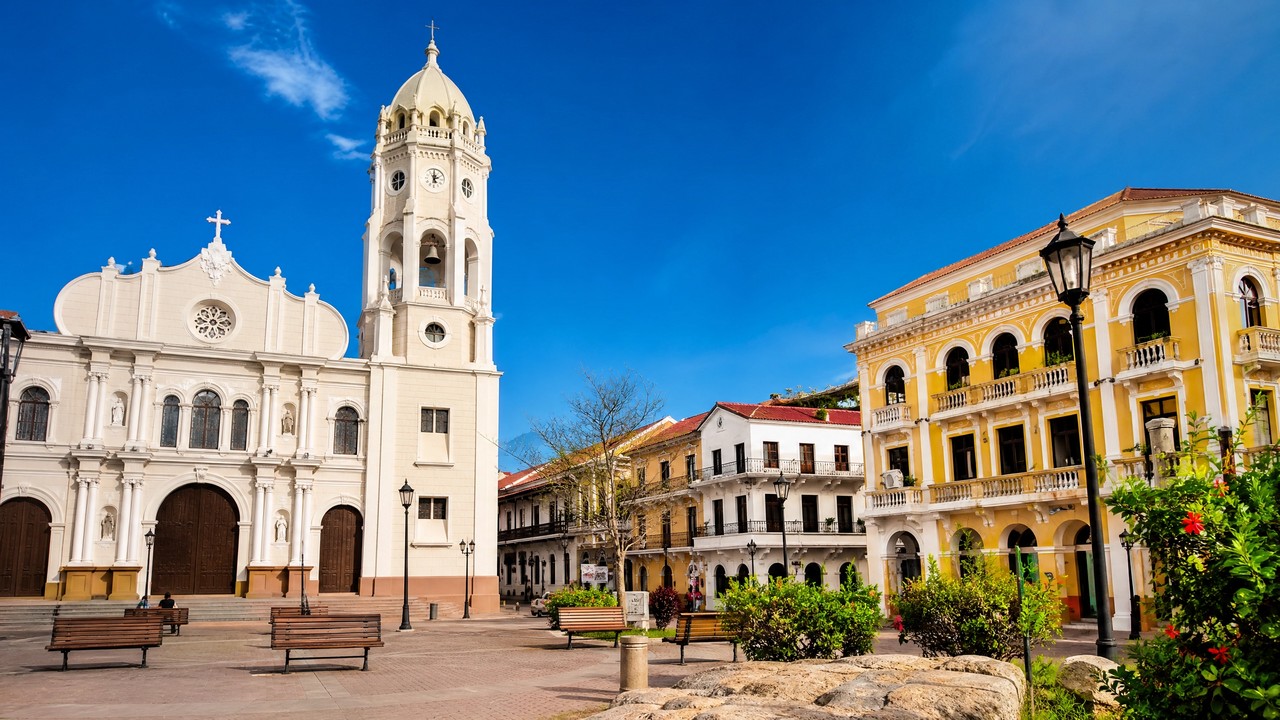
Casco Viejo (Old Town, in Panama City): The core of Panama's colonial history, listed as a UNESCO World Heritage Site in 2003. Streets are lined with colorful colonial buildings, churches, and plazas. Free entry, open all day, and we recommend walking for 3–4 hours. After dusk, the old town's bars gradually open, making for a pleasant atmosphere (as of January 2026, source: UNESCO World Heritage Centre).
Ancón Hill (in Panama City): The highest point in the city, a round-trip hike takes about 1.5 hours and offers views over the canal entrance and the city skyline. Free and open, best visited early in the morning to avoid the sun.
Parque Natural Metropolitano (edge of Panama City): A suburban tropical dry forest with easy hiking trails, where sloths, iguanas, and various bird species are commonly seen. Tickets cost about $5 USD/Balboa (approx. 35 CNY), open 6:00–17:00, and we recommend about 2 hours.
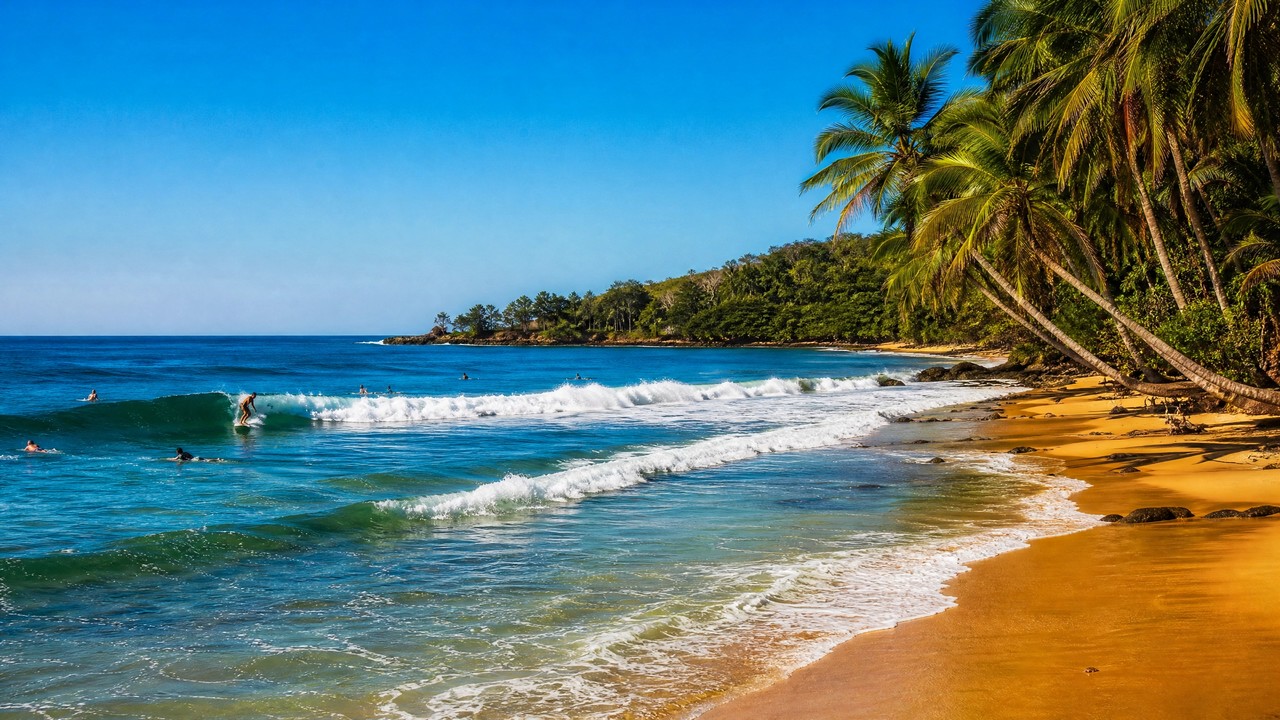
San Blas Islands (Guna Yala, Caribbean waters of northeastern Panama): A coral island archipelago autonomously governed by the Guna people, with white sand beaches and crystal-clear water as the main highlights. A small plane from Panama City takes about 40 minutes; round-trip tickets cost about $80–120 USD/Balboa. Accommodation on the islands is mainly simple wooden cabins, and we recommend staying at least 2 nights to truly feel the island rhythm.
If you want to experience transiting the locks on a ship itself, you can book a canal cruise departing from the Pacific side. The full trip lasts about 4 hours and costs about $120–180 USD/Balboa (approx. 840–1260 CNY). Spaces are limited, so it's best to book at least a week in advance on the Canal Authority's official website.
5. Recommended Itineraries
3 Days: Panama City Highlights
- Day 1: Watch canal transits at Miraflores Visitor Center in the morning, hike Ancón Hill in the afternoon
- Day 2: Deep walking tour of Casco Viejo Old Town, watch the sunset on the Cinta Costera waterfront promenade in the evening
- Day 3: Morning hike in Parque Natural Metropolitano, visit the Panama Old Town Museum or the BioMuseo in the afternoon
5 Days: City + Highlands
Spend the first 3 days as per the Panama City Highlights itinerary. On Day 4, fly from Panama City to Boquete (about 1 hour) in the morning, tour coffee estates in the afternoon, and taste the region's famous highland coffee. On Day 5, do a light hike in the morning and return to Panama City in the afternoon.
7 Days: City + Islands
Continue with the city itinerary for the first 3 days, fly to the San Blas Islands on Day 4, spend Days 5–6 snorkeling and island-hopping, and return to Panama City on Day 7 for departure. If you prefer the more mature resort amenities of the Caribbean, you can replace San Blas with Bocas del Toro.
Keep core attractions to about 2 per day, and leave some flexibility in your schedule, as both canal and island activities are affected by tides and weather. For travelers who want to plan inland flights, island transfers, and accommodation in one go, USITrip can provide consultation and resource coordination for Panama and Central America combination itineraries.
6. Food Recommendations
Sancocho is Panama's most home-style chicken soup, stewed with cassava, corn, and herbs. A bowl at a local eatery costs about $3–6 USD/Balboa (approx. 21–42 CNY), and it makes a complete meal when paired with white rice.
Ceviche is freshest at the Panama City seafood market (Mercado de Mariscos), with a small portion costing about $5 USD/Balboa. Locals usually go in the morning; popular stalls sell out if you arrive late.
Fried Green Plantains (Patacones) are the most common side dish along the Caribbean coast, crispy on the outside and soft on the inside, often served with fried fish or beef stew. A set meal costs about $6–9 USD/Balboa.
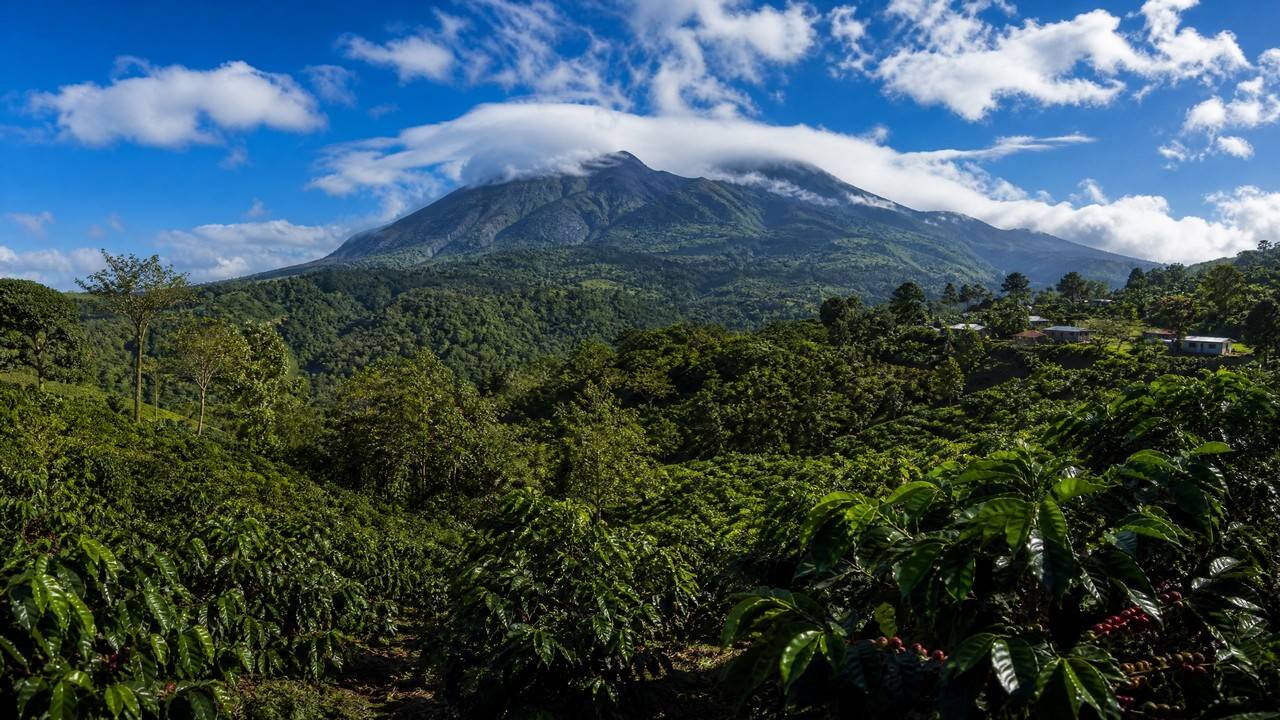
The highland town of Boquete is famous for specialty coffee. Coffee farm tours with tasting cost about $10 per person; some farms also offer hiking and canopy zip-line activities.
Pitfall Warning: Tourist restaurants in the Casco Viejo central area typically charge $15–25 USD/Balboa for main courses, which is over 30% more expensive than similar dishes outside the old town. Restaurants on the outskirts of the old town that locals frequent cost about $8–12 USD/Balboa. Most restaurant bills already include a 10% service charge, so there is no need to add an extra 15% when paying. For roadside seafood stalls, it's best to choose ones with a local queue—fast ingredient turnover means fresher food.
7. Practical Tips
Safety: Panama City is relatively stable compared to other Central American cities, but there are significant differences between neighborhoods. Casco Viejo is safe to walk around during the day, but avoid walking alone at night to nearby areas such as El Chorrillo and San Miguelito. Don't flash valuables; keep your wallet in your front pocket, and don't leave your phone near the window when taking a taxi. The national emergency number is 911 (as of January 2026).
Language: The official language is Spanish. Staff at hotels in the old town, the canal visitor center, and larger restaurants generally communicate in English, while taxi drivers, market vendors, and intercity bus workers mostly speak only Spanish. It's recommended to download an offline Spanish translation pack on your phone in advance.
Payment: US dollar banknotes and Balboa coins are used interchangeably at face value, with a fixed exchange rate of 1:1; merchants may give Balboa coins as change. Credit cards are widely accepted at hotels, chain supermarkets, and formal restaurants, but street stalls, minibuses, and cafés only take cash. It's recommended to carry $20–50 in small bills. ATM withdrawal fees are about $3–6 per transaction (as of January 2026).
Communications and Power: The main local carriers are Tigo and Digicel. There are SIM card counters on the departure level of Tocumen Airport. Tourist prepaid cards cost about $5–10 and include 10GB of data. Public Wi-Fi is scarce in the city, but hotel internet is generally stable. Outlets are US standard Type A/B, 110V. Chinese appliances will require a plug adapter and confirmation of voltage compatibility.
Time Zone: Panama uses Eastern Standard Time (UTC-5) and does not observe daylight saving time year-round. It is 13 hours behind Beijing time.
8. Frequently Asked Questions (FAQ)
Q: Do Chinese citizens need a visa to visit Panama?
A: Chinese citizens holding a valid visa (or residence permit) from the United States, Schengen countries, the United Kingdom, Canada, or Australia can enter Panama visa-free for a single stay of no more than 30 days (as of January 2026; source: Visit Panama Tourism Authority). Without such a visa, a tourist visa must be applied for in advance at a Panamanian embassy or consulate in China.
Q: What currency is used in Panama? Do I need to exchange money in advance?
A: The official currency is the Balboa (PAB), pegged 1:1 to the US dollar. US dollar banknotes and Balboa coins circulate interchangeably. You can simply use US dollars upon arrival; no advance exchange is needed. Exchange rates at airport currency exchange counters are generally unfavorable. Small-denomination US dollar bills ($1, $5, $10) are the most useful.
Q: When is the best time to visit Panama?
A: The dry season from mid-December to April is the best time to travel, with sunny weather and reliable canal cruises and island activities—but it's also peak season for hotels and flights. May to November is the rainy season with lower accommodation prices. If your itinerary focuses on rainforests, waterfalls, or photography, the vegetation and water levels are actually more impressive during the rainy season.
Q: Can I travel independently without speaking Spanish?
A: Yes. English is spoken at hotels in the old town, the canal visitor center, and most hotels, but taxi drivers, small restaurants, and market vendors mostly speak only Spanish. It's recommended to use translation apps. Metro ticket machines have both Spanish and English interfaces, and major attractions have English signage.
Q: Is Panama safe?
A: Compared to many Central American countries, Panama has more stable public security. Main tourist areas such as Casco Viejo, Bella Vista, and the canal visitor center are safe during the day. At night, it's advisable to travel in groups, avoid areas like El Chorrillo and San Miguelito, and simply avoid flashing valuables.
Q: How do I visit the Panama Canal?
A: The easiest option is to visit the Miraflores Visitor Center, where the observation deck offers close-up views of ships transiting the locks. Adult tickets cost about $15 USD/Balboa (approximately ¥105 RMB), open from 9:00–17:00. If you want to experience transiting the locks by boat, you can book a passenger canal transit vessel in advance on the Canal Authority's official website. The trip lasts about 4 hours and costs approximately $120–180 USD/Balboa (as of January 2026; source: Panama Canal Authority).
Practical Resources
I. Reference Materials (Official Source Links Compilation)
- Visit Panama — Official Panama national tourism information, visa policies, and destination guides
- Panama Canal Authority — Canal transit information, visitor center tickets, and lock transit cruise bookings
- Tocumen International Airport — Panama City international airport flight updates and transportation information
- UNESCO World Heritage Centre — Casco Viejo Old Town World Heritage listing information
II. About USITrip
USITrip has been deeply involved in Panama and Central American destinations for many years. Based on local field research, our team of travel experts provides one-stop consulting and services—including itinerary planning, ground transportation, and accommodation resource coordination—for travelers planning trips to Panama, Mexico City, Havana, and other destinations, helping travelers integrate multi-leg itineraries more seamlessly.
- Official Website: https://www.usitrip.com/
- North America Toll-Free Hotline: 888-887-2816
- United States: 1-626-898-7800
- Canada: 1-647-243-3769
- China: 400-998-8038
- Hong Kong, China: 852-5806-0465
- Custom Group Tours (US): 1-626-389-0706
- Custom Group Tours (China): 025-6668-0241
Recommended Products
No recommended products
More Popular Experiences
No recommended products