🌏 Destination Overview
Greece perfectly blends the weight of ancient civilization with the romance of the Aegean Sea. The Parthenon atop the Acropolis looks down over Athens, telling the story of Western civilization's origins; Santorini's blue-domed, white-washed cliffs and sunset are a honeymoon paradise for many; Mykonos' windmills and nightlife, Crete's history and beaches each have their own character. Island-hopping across the blue Aegean, Greece fuses history and holiday into the Mediterranean's most classic picture.
🗓️
Best Season
May-Jun / Sep-Oct
🕐
Recommended Days
7-11 days
👪
Best For
Honeymoon Couples / Families / Vacationers
🎯
Top Activities
Islands · Heritage · Sunset · Blue & White
🧳
Pre-trip Preparation
Schengen visa + sun protection
Popular Cities
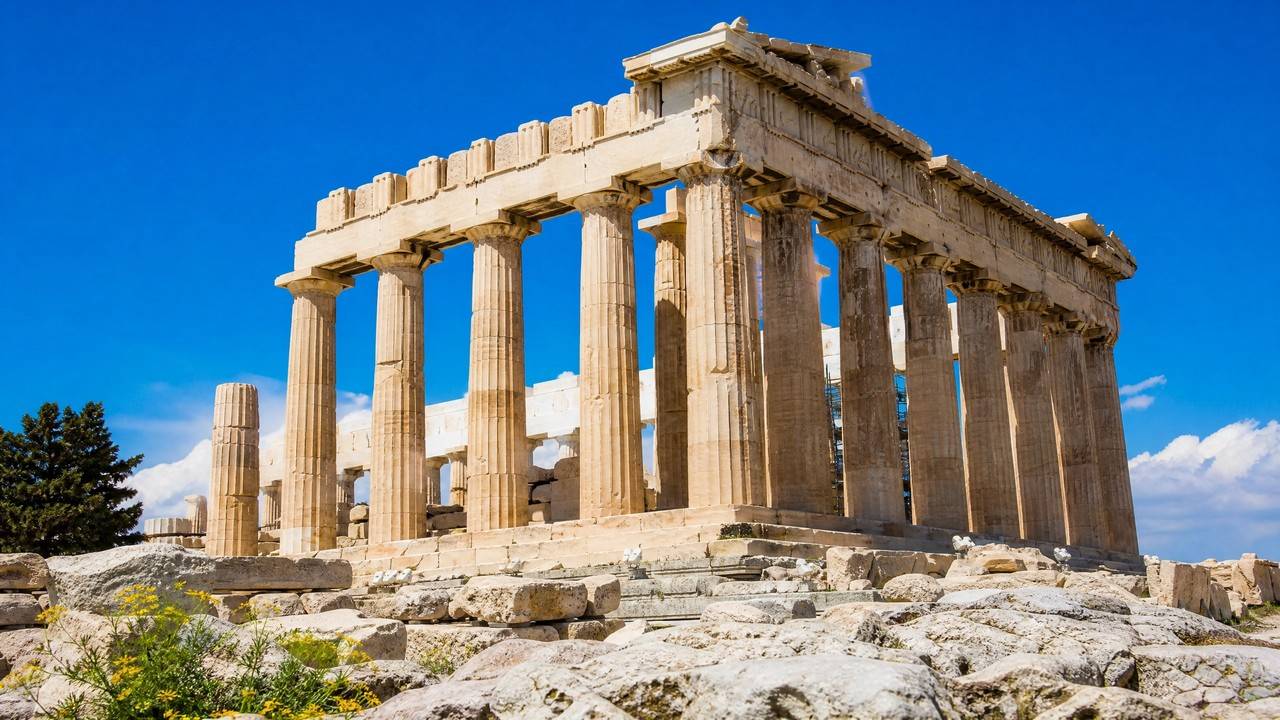
Athens
Heritage,Capital,UNESCO
🔥 Birthplace of Western civilization, Acropolis and temples, open-air history.
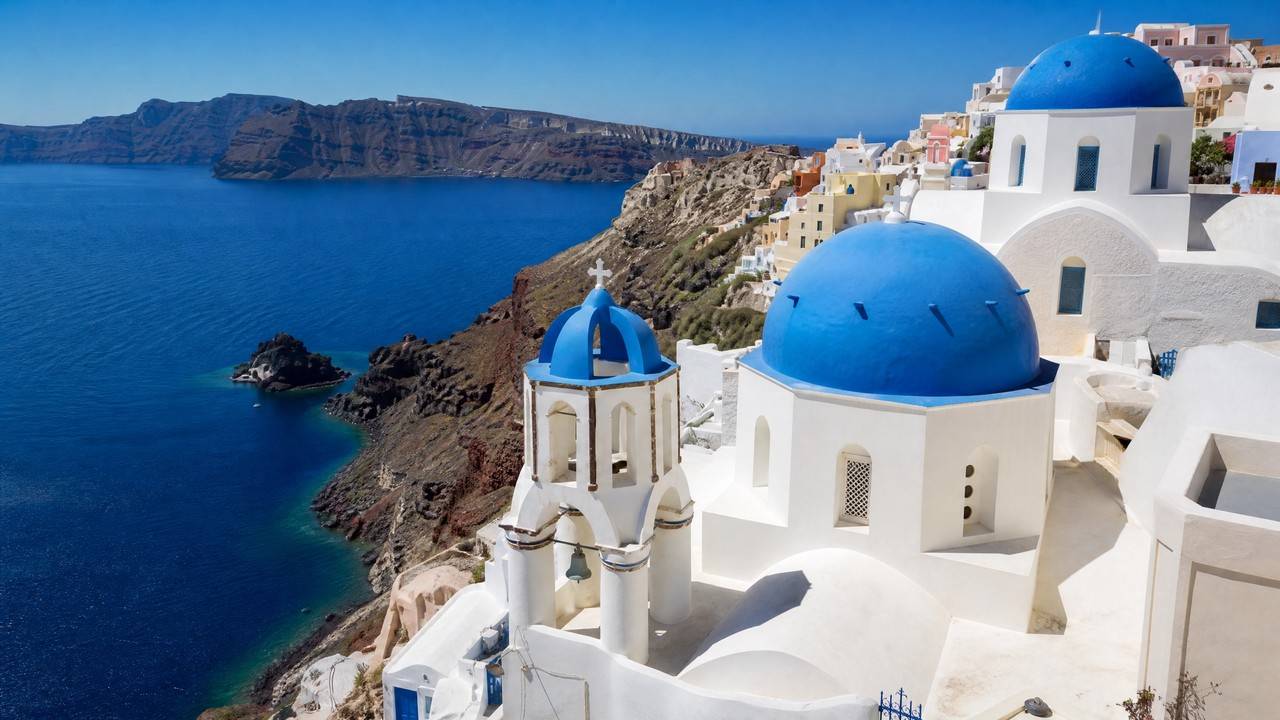
Santorini
Island,Honeymoon,Sunset
🔥 Blue-domed white walls and cliff sunset, the classic Aegean honeymoon island.

Mykonos
Island,Party,Windmill
🔥 Windmills and colorful old town, the Aegean's stylish party island.

Crete
Island,Ancient Civilization,Beach
🔥 Greece's largest island, Minoan civilization ruins and stunning beaches.
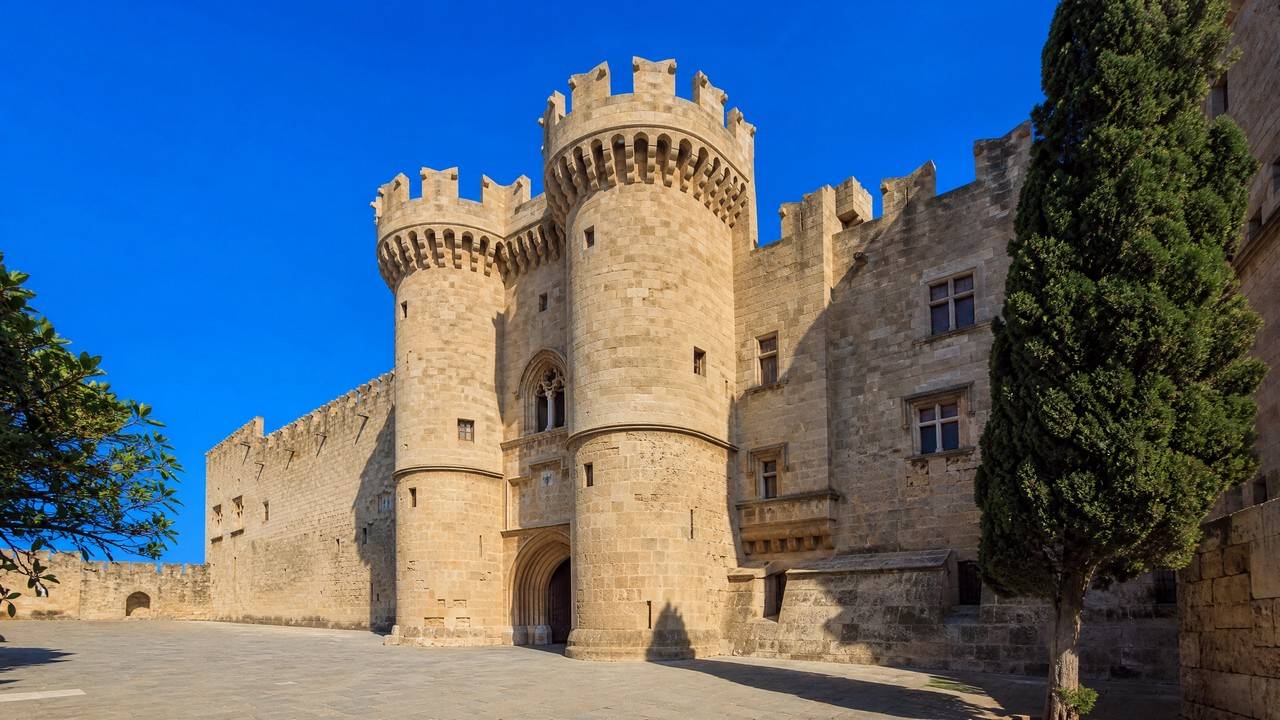
Rhodes
Island,Old Town,UNESCO
🔥 Knights' old town and sunny beaches, jewel of the Dodecanese.
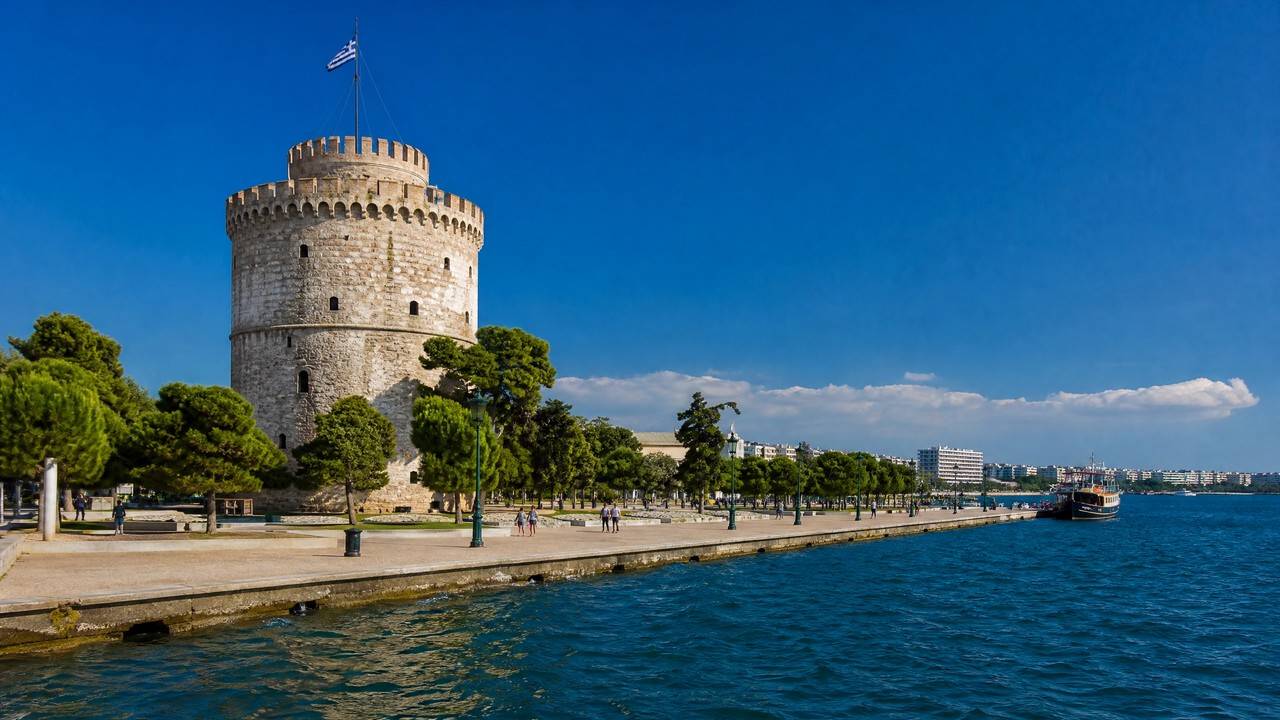
Thessaloniki
Metropolis,Foodie,Byzantine
🔥 Greece's second city, Byzantine ruins and foodie nightlife.
Popular Attractions
More Attractions →
Syntagma Square📍 Nafplio
Constitution Square (Syntagma Square) sits at the centre of Nafplio's old town in the Peloponnese of Greece, rated by many travel writers as the finest town square in the region.
Historical weight: Nafplio was the first capital of the modern Greek state from 1829 to 1834, and this square was the centre of that capital. Like its namesake in Athens, the name commemorates the movement of September 1843 that won Greece its constitution. Before that it was Plane-tree Square, after the large plane tree that shaded its centre, under which, so the story goes, revolutionary generals once plotted; for a while it also carried a royal name honouring King Otto's family. Earlier still it was the administrative square of the Morea Pasha, the Ottoman governor's seat.
Form: the marble paving you see today dates from 1980. The square is wide and ringed by arcaded buildings, with cafes, restaurants and shops one after another under the arcades, and by evening it fills with strollers, families, street vendors and live music.
Three building groups matter most. On the west is the 1713 Venetian naval arsenal, the Lion of St Mark still over its gate, now the Archaeological Museum holding the Dendra panoply, among the oldest complete suits of armour known in Europe. On the east is the Trianon, originally an Ottoman mosque that then served as a Catholic church, a school, a theatre and the municipal cinema and is now a cultural venue. On the south is the Vouleftiko, also originally a mosque, converted in the 1820s into the chamber of the National Assembly, the first parliament of Greece.
Two practical notes. The square itself is free, while the Archaeological Museum charges about 6 euros and is closed on Tuesdays, so avoid Tuesdays if you want it. On timing, early morning and mid-morning give the best light and the fewest people, while the evening is the liveliest window for the town's social rhythm.
East along Staikopoulou Street you soon reach the church of St Spyridon, where on 27 September 1831 Greece's first president Kapodistrias was assassinated, the bullet holes still visible on the white plaster.

Acropolis📍 Athens
The Acropolis of Athens (Greek for "high city") crowns a 156-metre limestone rock above central Athens, the supreme achievement of ancient Greek architecture and a symbol of Western civilisation, listed as a UNESCO World Heritage Site since 1987. Under Pericles in the 5th century BC, funded by the Delian League, the Parthenon, Propylaea, Erechtheion and Temple of Athena Nike rose over about 41 years, from 447 to 406 BC. The Parthenon, designed by Ictinus and Callicrates under Phidias' supervision and dedicated to Athena, is the summit of the Doric order and its optical refinements; the Erechtheion's south porch carries six caryatids, one of which still stands in the British Museum. Across two millennia the rock passed through Persian wars, Roman, Byzantine and Ottoman rule; a 1687 Venetian bombardment ignited a powder magazine that gutted the Parthenon, and Lord Elgin removed marble sculptures in the early 1800s. Since 1975 Greece has run an ongoing anastylosis restoration of the marble. From the summit you look over modern Athens and Mount Lykavittos, with Aegean light on clear days; the Acropolis Museum at the foot of the slope holds the originals and is the perfect sequel.
Parthenon📍 Athens
The Parthenon (Greek for "maidens' chamber") stands at the highest point of the Acropolis, the greatest legacy of ancient Greek architecture and the summit of the Doric order. Begun in 447 BC and completed in 432 BC, it was designed by Ictinus and Callicrates with sculpture supervised by Phidias. Built of Pentelic marble on a stylobate of 69.5 by 30.9 metres, its 8-by-17 Doric colonnade (46 outer columns, about 10.4 m tall) hides refined optical corrections: entasis in the shafts, a curved base and thickened corner columns. The cella housed Phidias' colossal Athena Parthenos, some 11.5 m of gold and ivory, long lost, and once served as the Delian League treasury. The pediments told the birth of Athena; 92 metopes and a 160-metre Ionic frieze of the Panathenaic procession rank among the finest Greek sculpture. The marbles removed by Lord Elgin in the early 1800s remain in the British Museum in a still-running restitution dispute, while a 1687 Venetian bombardment detonated a powder magazine that blew off the roof and most of the sculpture. Anastylosis restoration has continued since 1975. The temple is the centrepiece of the Acropolis timed-entry ticket.

Meteora📍 Kalambaka
Meteora (Greek for "suspended in the air") is a forest of giant sandstone pillars rising up to 400 metres from the Thessalian plain in central Greece. From the 14th century hermit monks built monasteries on their summits — twenty-four in all, six still open to visitors today — and the ensemble became a UNESCO World Heritage Site in 1988, known as the "sky cities". Great Meteoron (Transfiguration), founded in the mid-14th century by Athanasios the Meteorite, is the oldest and largest, with Byzantine frescoes, a carved iconostasis and a manuscript museum. Varlaam, the second largest, holds some of Meteora's best-preserved 16th-century murals and the original rope-and-net hoisting mechanism. Rousanou (St Barbara), run by nuns, occupies the most vertiginous spire; Holy Trinity, famous from the 1981 James Bond film For Your Eyes Only, is reached by 140 steps cut into the rock; St Nicholas Anapafsas is the smallest but holds Theophanis the Cretan's frescoes; and St Stephen is bridge-accessible, the best choice for limited mobility. Each monastery closes one day a week — Great Meteoron Tuesday, Varlaam Friday, Rousanou Wednesday, Holy Trinity Thursday, St Nicholas Friday, St Stephen Monday. Entry is €5 for Great Meteoron and €3 for the others, cash only, free under 12. Free viewpoints such as the Rousanou lookout, Doupiani Rock and Psarantos Rock frame the pillars at dawn mist and sunset gold.

Oia📍 Santorini
Oia crowns the northern cliffs of Santorini, whitewashed houses and blue domes cascading down the 300-metre caldera rim above the deep Aegean — the meeting point of Cycladic architecture and the world's most storied sunset. Lanes wind past boutiques, galleries and clifftop restaurants; Atlantis Books, an independent bookshop founded in 2004, fills an old captain's house, and the Venetian windmills and the Byzantine castle (Agios Nikolaos) ruins are the signature viewpoints, with three blue-domed churches composing the classic postcard. Every evening travellers crowd the castle ruins to watch the sun sink into the sea and turn the walls honey-gold, to rounds of applause — claim a spot an hour early in high season. Ammoudi fishing bay below offers swimming and seafood tavernas, while mornings restore the town's calm for photographers and wanderers.In 2026 Santorini caps cruise passengers at 8,000 a day and scheduled calls fall by about 18% year on year, so the core of Oia is calmer than in recent years, though thousands still gather for the sunset.
Navagio Bay📍 Zakynthos
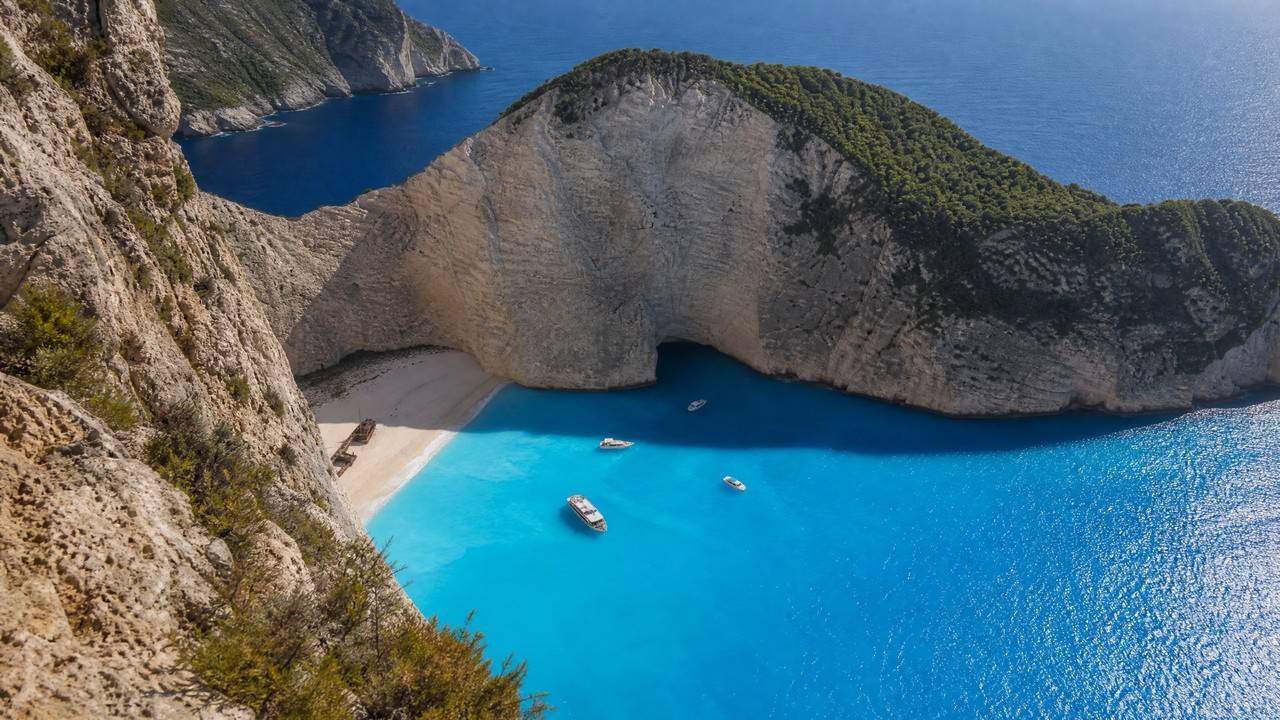
Navagio (Greek for "shipwreck"), also called Shipwreck Beach, is a secluded cove on the northwest coast of Zakynthos, Greece, enclosed by limestone cliffs about 200 metres high. Its pale gravel shore, gem-toned water and one rusting hull make it among the most photographed scenes in Greece; there is no road in — access is by sea or from the clifftop. The wreck is the MV Panagiotis, a coaster suspected of cigarette smuggling that ran aground in 1980 and never left, becoming the island's symbol. Important current status: because of rockfall risk, Greek authorities have banned landings and swimming in the cove, extended through 31 October 2026. Boats must stay at least 50 metres off the shore, with no anchoring or swimming inside the bay, and violations carry administrative penalties. The free clifftop viewpoint near Anafonitria remains open (with new fencing) for the classic aerial panorama, and boat trips still deliver the wreck framed by the cliffs, usually pairing it with the Blue Caves. A restoration programme worth about €9 million runs from 2026 to 2030 to stabilise the cliffs, conserve the wreck and widen the beach seaward with gravel.
Classic Experiences
Best Travel Seasons
🌷
Spring · Apr-Jun
Pleasant weather, before the crowds arrive
☀️
Summer · Jul-Aug
Island high season, brilliant sunshine
🍁
Autumn · Sep-Oct
Still-warm seas, good value
❄️
Winter · Nov-Mar
Island low season, but Athens is still visitable
May–Jun and Sep–Oct have pleasant weather before the crowds arrive; Jul–Aug is the island high season with brilliant sun but bigger crowds.
Popular Guide Articles
More →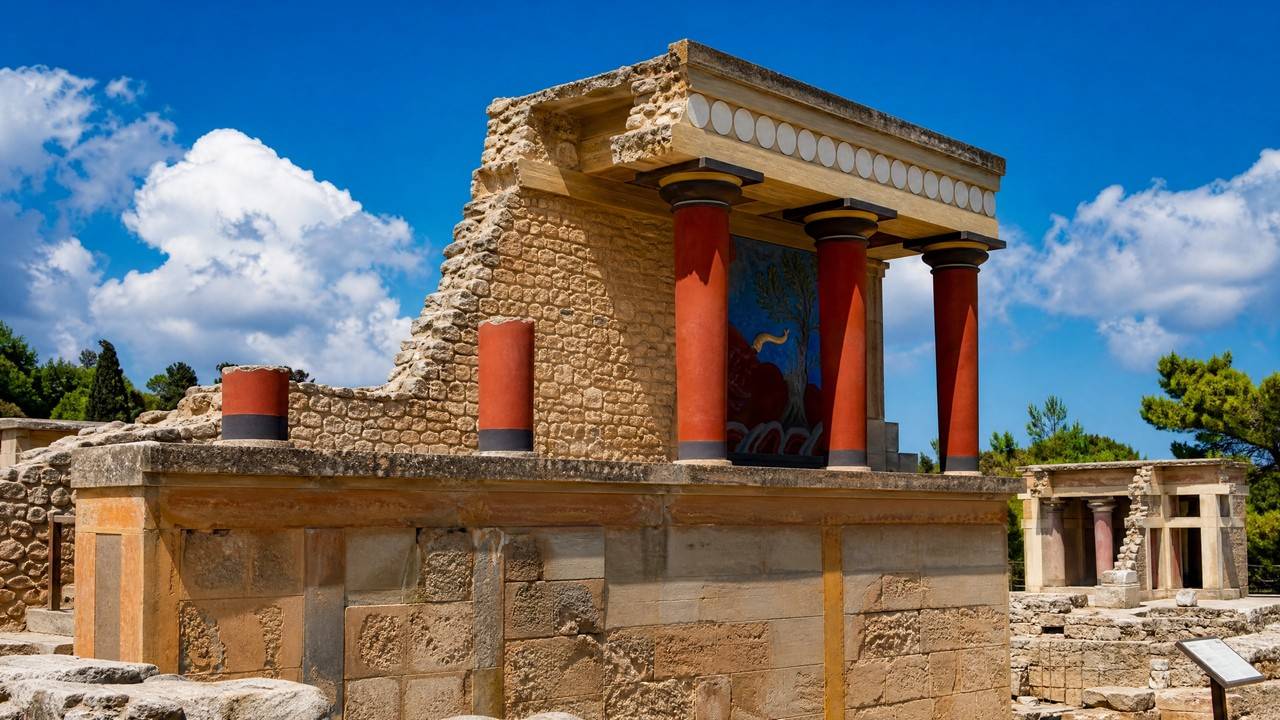
Greece Cruise Guide 2026: Aegean Routes, Cabins & Shore Trips
👁 8.9k
Greece 7-Day Group Tour 2026: Athens, Zakynthos & Santorini
👁 7.7k
Greece Visa Guide 2026: Schengen Documents, Fees & Process
👁 1.8k

Athens Acropolis Museum Guide 2026: Tickets & 3-5 Day Plans
👁 1.2k
Practical Info
Depending on passport/departure country; check the latest visa and entry policy before travel
Euro (EUR), cards widely accepted
Greece time UTC+2 (DST +3)
230V, Type C/F outlets
Island-hopping by ferry and domestic flights, with metro in cities
Obey local laws, mind personal belongings; emergency 112(general)
Free Consultation
Free Consultation
Tell us your departure city, travel dates and interests, and Zou Sifang will tailor a trip just for you.