🌏 Destination Overview
Egypt lays humanity's oldest civilization out under the sun. The pyramids and Great Sphinx on the Giza Plateau have awed visitors for thousands of years; Luxor's Karnak Temple and the Valley of the Kings' pharaonic tombs tell of the glory along the Nile; cruise downstream and temples unfold on both banks, while the Red Sea hides a world-class diving paradise. Here, historical weight and leisurely vacation blend—a must-visit for ancient-civilization lovers.
🗓️
Best Season
Oct-Apr
🕐
Recommended Days
8-12 days
👪
Best For
Culture Lovers / Families / Divers
🎯
Top Activities
Pyramids · Temples · Cruises · Red Sea
🧳
Pre-trip Preparation
Visa/visa on arrival + sun protection
Popular Cities
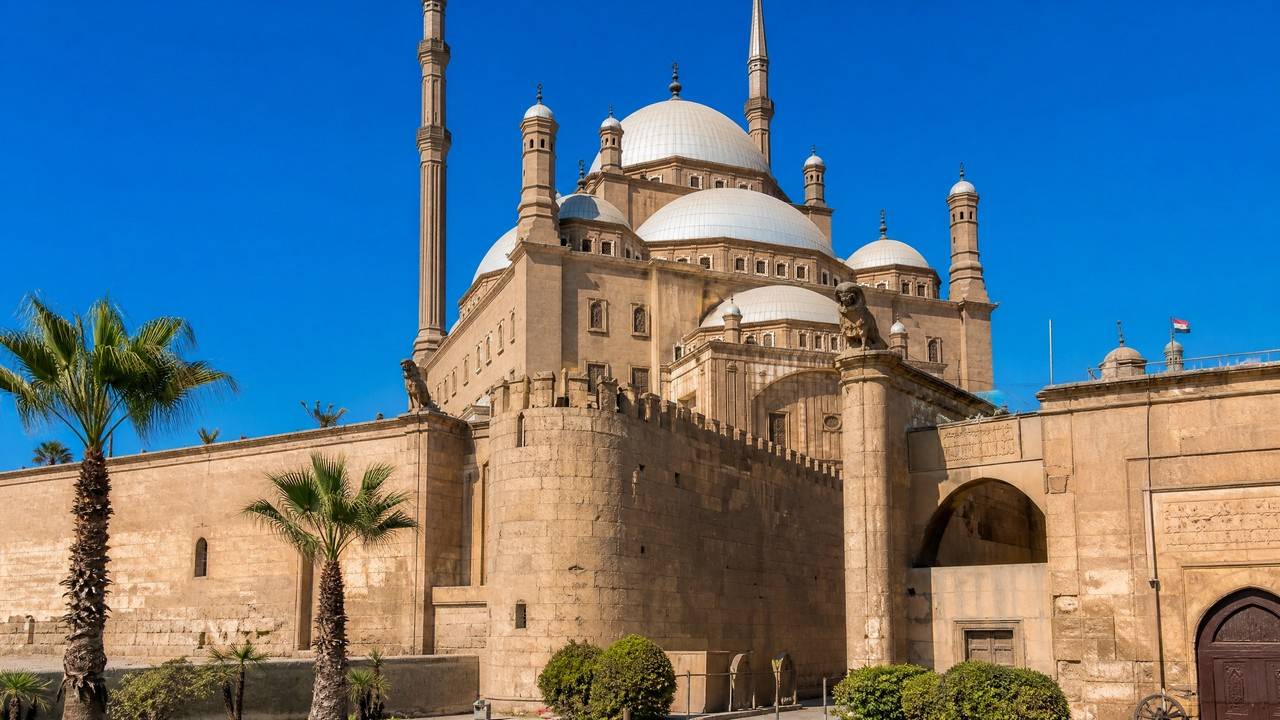
Cairo
Capital,Pyramid,Ruins
🔥 Egypt gateway, Giza Pyramids and Egyptian Museum in a millennia-old city.
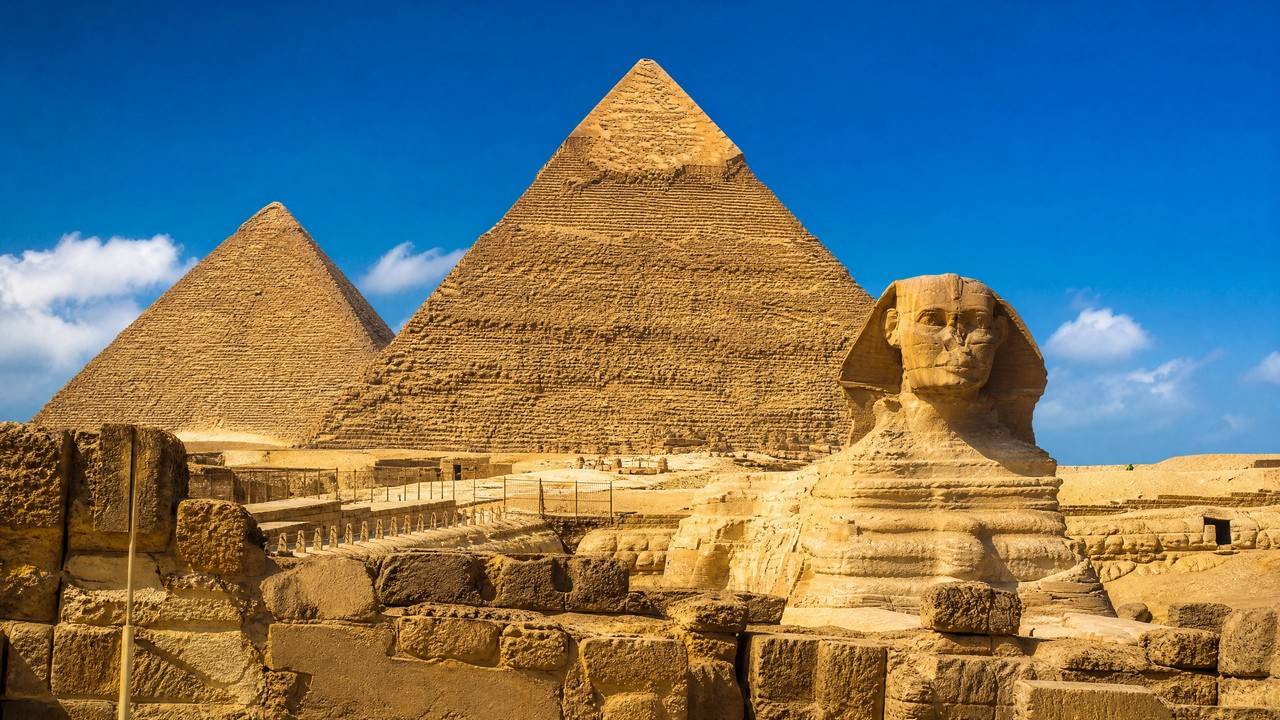
Giza
Pyramids,Sphinx,UNESCO
🔥 Home of the Pyramids and Sphinx, a wonder on Cairo's western outskirts.
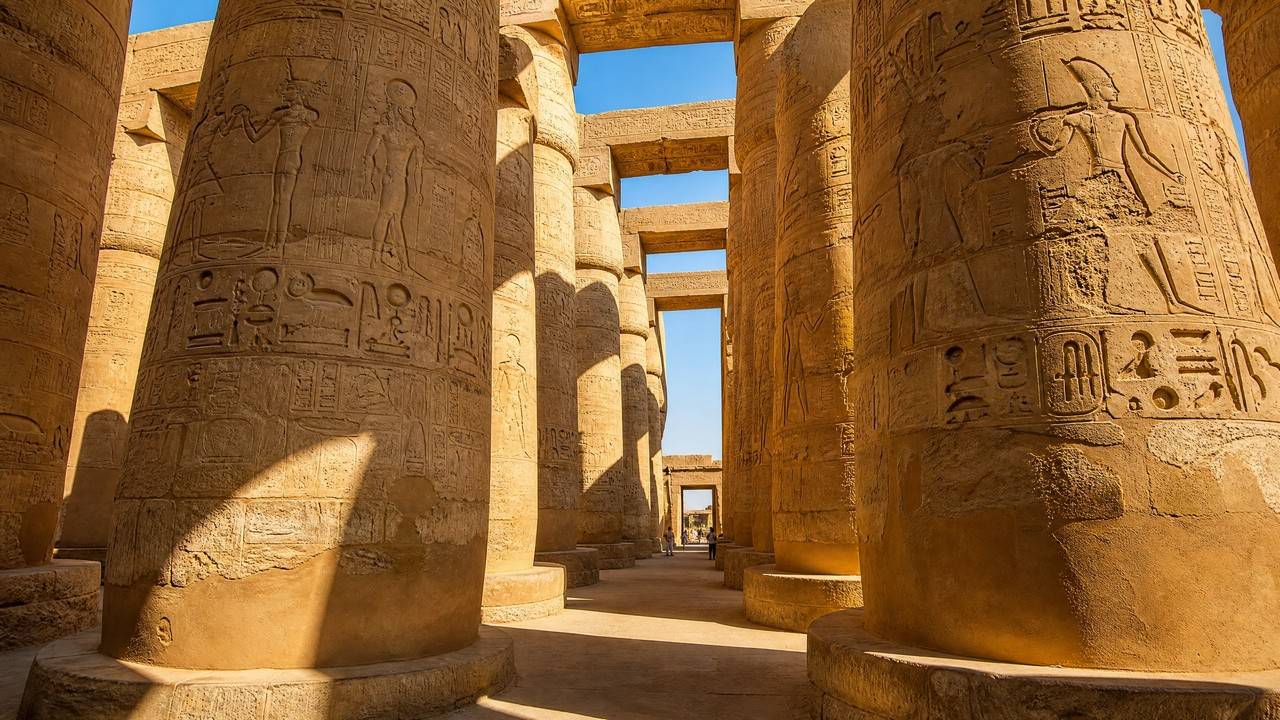
Luxor
Temple,Valley of the Kings,UNESCO
🔥 Open-air museum city, Karnak Temple and Valley of the Kings.
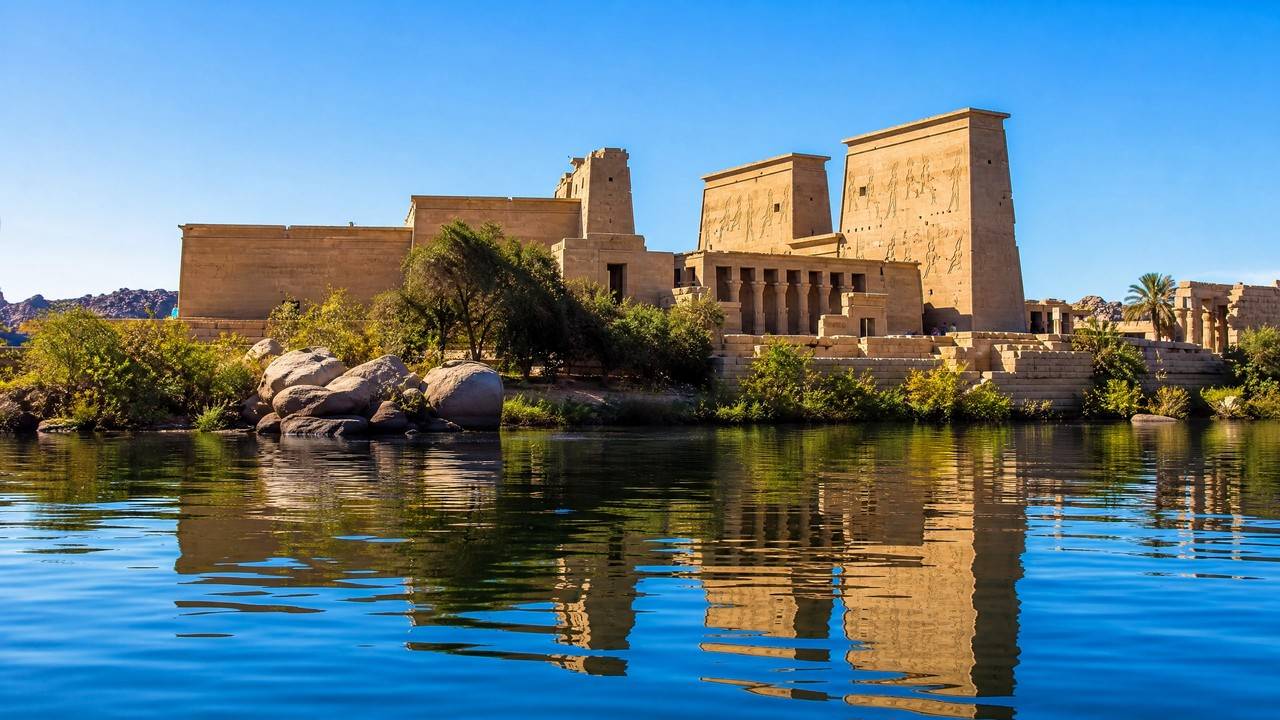
Aswan
Nile,Nubian,Cruise
🔥 Nubian-flavored town at the southern end of the Nile, cruise boats and gateway to Abu Simbel.
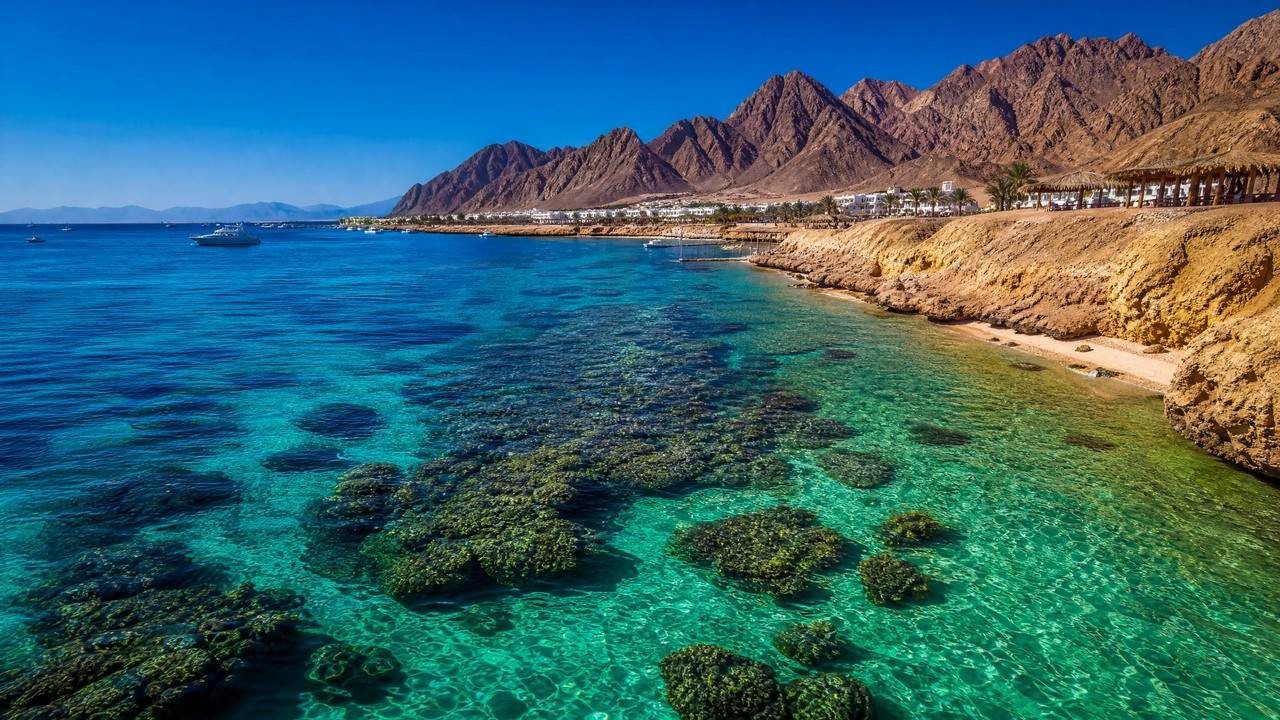
Sharm El Sheikh
Red Sea,Diving,Resort
🔥 Red Sea resort town, world-class dive sites and sunny beaches.
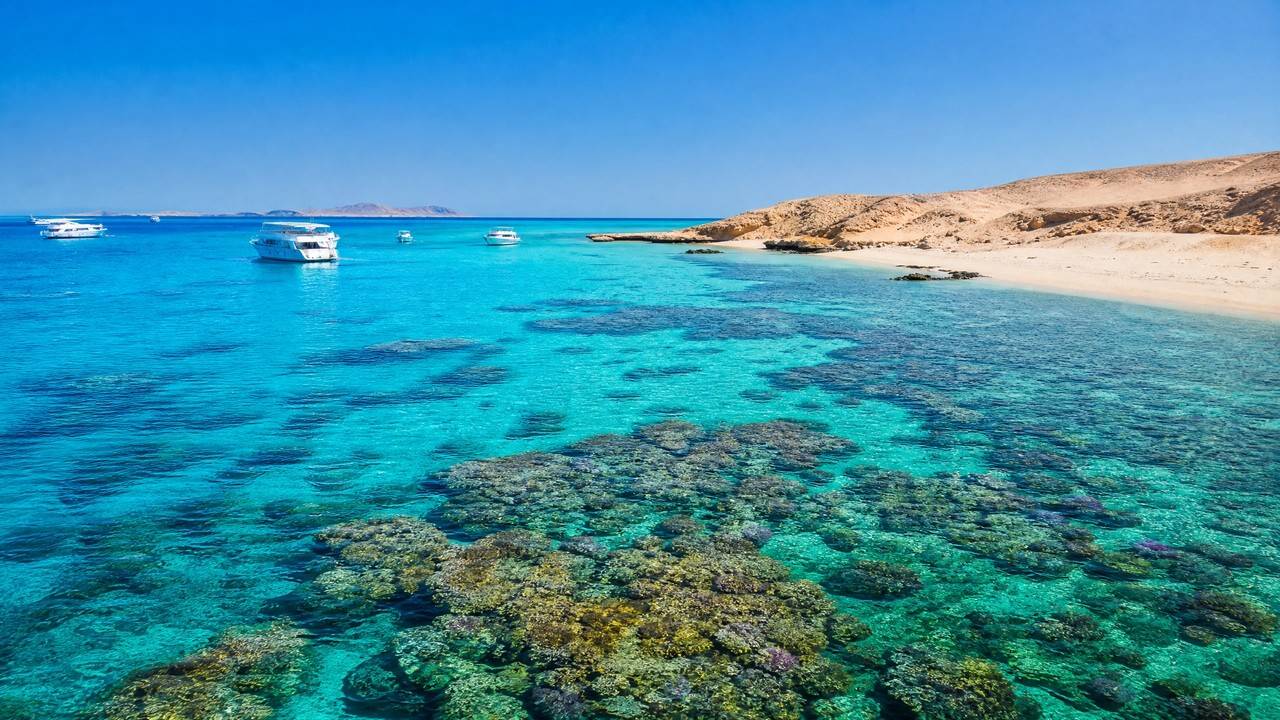
Hurghada
Red Sea,Diving,Resort
🔥 A Red Sea resort, snorkeling and boat excursions.
Popular Attractions
More Attractions →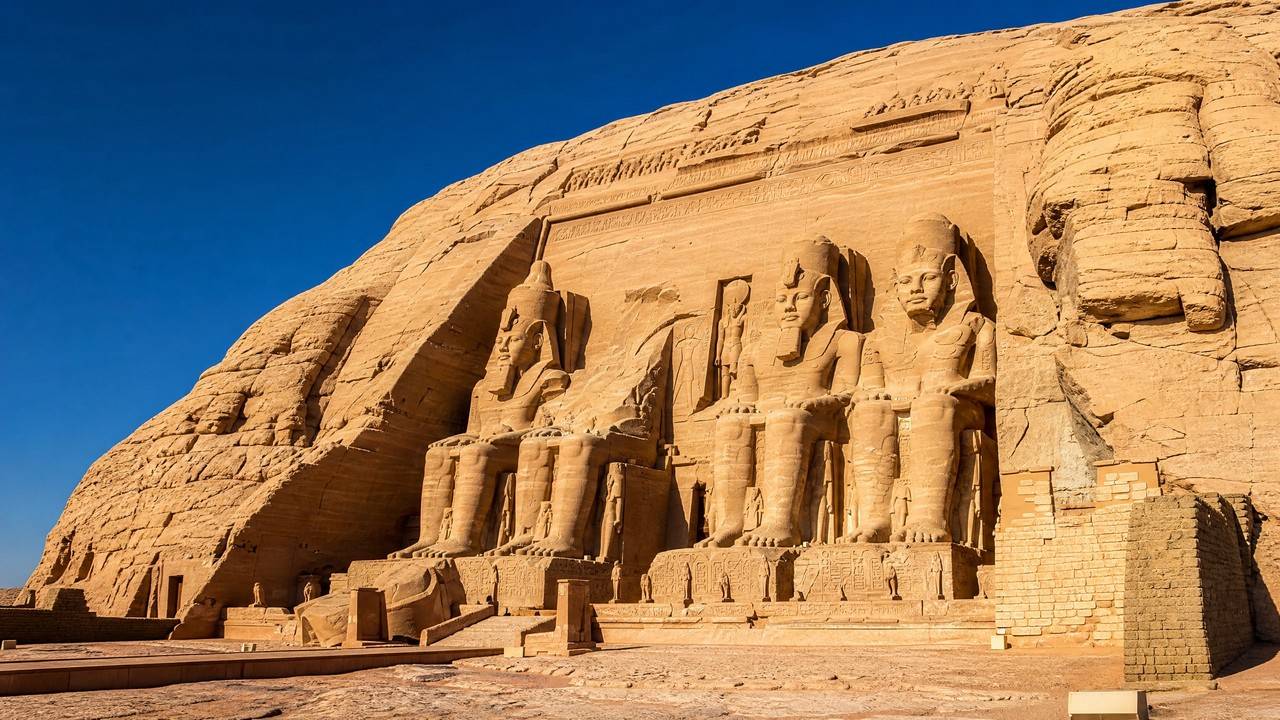
Great Temple of Abu Simbel📍 Abu Simbel
The Great Temple of Abu Simbel was carved in the 13th century BCE by Ramesses II to proclaim kingship and love. Four 20-metre pharaoh statues guard the facade; in the 1960s, to escape the Aswan High Dam's rising waters, the whole temple was cut and moved to higher ground — Egypt's most staggering engineering feat.

Valley of the Kings📍 Luxor
The Valley of the Kings lies in a limestone gorge on Luxor's west bank, the resting place of New Kingdom pharaohs and nobles. Tutankhamun's tomb and vividly painted burial chambers are hidden here; in the silent valley lies Egypt's most splendid vision of the afterlife. Dozens of open tombs each hold a painted theme; Tutankhamun's, with its golden mask, is the most famous.

Salah El-Din Citadel📍 Cairo
The Saladin Citadel commands a hilltop on the eastern edge of Cairo, begun in 1176 by the legendary Ayyubid sultan Saladin to hold off the Crusades, and home to Egypt's rulers for 700 years. Its jewel is the Mosque of Muhammad Ali, commissioned in the 19th century: twin minarets pierce the sky above a 52-metre dome, the alabaster-clad walls glow in the sun, and Ottoman chandeliers and stained glass fill the interior. The mosque terrace gives THE panorama of Islamic Cairo — minarets cascading to the Nile, with the desert and, on clear days, the Pyramids beyond. The complex also holds the Muhammad Ali Palace, the Military and Police museums and more. The mosque closes for Friday prayers — plan around it; history lovers can happily spend half a day here.

Egyptian Museum📍 Cairo
The Egyptian Museum stands on Tahrir Square in Cairo, opened in 1902, and is the world's foremost treasury of ancient Egyptian civilisation. Tutankhamun's golden mask, mummies and countless statues are displayed here — a must-visit hall through three millennia of pharaohs. The upper Treasures Hall centres on Tutankhamun's grave goods; the mummy room needs a separate ticket — never fully seen in one visit.
Temple of Karnak📍 Luxor
The Temple of Karnak is ancient Egypt's largest temple complex, begun in the Middle Kingdom and expanded over two millennia. The Great Hypostyle Hall's 134 giant stone columns awes visitors; obelisks and a sacred lake tell of Amun's glory — Luxor's east-bank wonder not to miss. Its axis is famed for the avenue of rams and the hypostyle hall; a scarab by the sacred lake symbolises sunrise rebirth.

Temple of Luxor📍 Luxor
Luxor Temple is a magnificent ancient Egyptian temple in the heart of Luxor. Echoing Karnak, with its great pylon, colossal pharaoh statues, towering obelisk and elegant columns, it is a key Luxor sight—especially dazzling when lit at night. Built in the New Kingdom and mainly dedicated to the sun god Amun (and his family), it was linked to Karnak by the Avenue of Sphinxes—a several-kilometer road lined with hundreds of sphinxes (used for religious processions). Though smaller than Karnak, it is still grand and beautiful: at the entrance stands a great pylon, before it two colossal seated statues of Ramesses II and a tall, finely carved pink-granite obelisk (originally a pair; the other now stands in the Place de la Concorde in Paris). Beyond the pylon are courts, elegant columned halls, more statues, reliefs and chambers. A corner also preserves later (Roman and Islamic) layers, including a mosque—a record of layered history. Most enchanting, it sits downtown and stays open at night: when lit, the pylon, colossi and obelisk glow majestic and mysterious. Visiting Luxor Temple—its pylon, colossi and obelisk, especially at night—is not to be missed.
Classic Experiences
Best Travel Seasons
📅
Peak season · Oct-Apr
Cool and comfortable, the best time
🌷
Spring/Autumn Transition
Occasional sand, generally pleasant
☀️
Summer · May-Sep
Very hot, Red Sea resorts the main option
📅
Year-round
Red Sea coast enjoyable year-round
Oct-Apr is cool and comfortable, ideal for visiting ruins; the Red Sea coast is enjoyable year-round.
Recommended Tours
View All →![10-Day [Free 2 Experiences (Carriage Tour + Felucca Sailboat)] Cairo + Alexandria + Aswan + Luxor + Red Sea | Explore Ancient Egypt * 2-15 Person Group, Five-Star Hotel and Cruise Accommodation](https://qiniu.usitour.com/images/picture/2022/10/detail_42_634ef5b927afc.jpg?imageView2=2&w=1920&q=70&format=webp)
10-Day [Free 2 Experiences (Carriage Tour + Felucca Sailboat)] Cairo + Alexandria + Aswan + Luxor + Red Sea | Explore Ancient Egypt * 2-15 Person Group, Five-Star Hotel and Cruise Accommodation
From $1679
![9 days [Free 2 major experiences: Carriage Cruise + Sailboat Felucca] Cairo + Aswan + Luxor + Red Sea | Exploring Ancient Egypt | Small group of 2-15 people, five-star hotel and cruise accommodation](https://qiniu.usitour.com/images/picture/2022/10/detail_92_634ddb4dadbb8.jpg?imageView2=2&w=1920&q=70&format=webp)
9 days [Free 2 major experiences: Carriage Cruise + Sailboat Felucca] Cairo + Aswan + Luxor + Red Sea | Exploring Ancient Egypt | Small group of 2-15 people, five-star hotel and cruise accommodation
From $1524
![[Egypt 7-Day Tour] Cairo + Pyramids + Red Sea + Luxor + Hurghada | Explore the mysterious ancient country and wander the passionate desert *Exquisite small group, visa on arrival, 2 people](https://qiniu.usitour.com/images/picture/2022/10/detail_16_634871a7241b3.jpg?imageView2=2&w=1920&q=70&format=webp)
[Egypt 7-Day Tour] Cairo + Pyramids + Red Sea + Luxor + Hurghada | Explore the mysterious ancient country and wander the passionate desert *Exquisite small group, visa on arrival, 2 people
From $1169
Popular Guide Articles
More →
Practical Info
Depends on passport/departure country; check the latest visa and entry policy before travel
Egyptian Pound (EGP); cash commonly used, cards accepted at attractions
Egypt time UTC+2
220V, Type C/F outlets
Inter-city by domestic flights and Nile cruises; private car in cities
Obey local laws, mind personal belongings; emergency 122 (police) / 123 (ambulance)
Free Consultation
Free Consultation
Tell us your departure city, travel dates and interests, and Zou Sifang will tailor a trip just for you.