🌏 Destination Overview
Mexico weaves ancient civilization, Caribbean beaches and vibrant culture into a colorful journey. On the Yucatán Peninsula, the Mayan pyramids of Chichén Itzá and the seaside ruins of Tulum tell of an ancient civilization; Cancún and the Riviera Maya offer soft, blue Caribbean sands and relaxing all-inclusive resorts; while Mexico City's murals and Guanajuato's colorful mountain towns brim with artistic spirit. Equal parts vacation and culture, the Day of the Dead is a unique cultural event.
🗓️
Best Season
Nov-Apr (Dry season)
🕐
Recommended Days
7-12 days
👪
Best For
Couples / Families / Culture Lovers
🎯
Top Activities
Maya · Beaches · Old Towns · Cuisine
🧳
Pre-trip Preparation
Visa + sun protection
Popular Cities
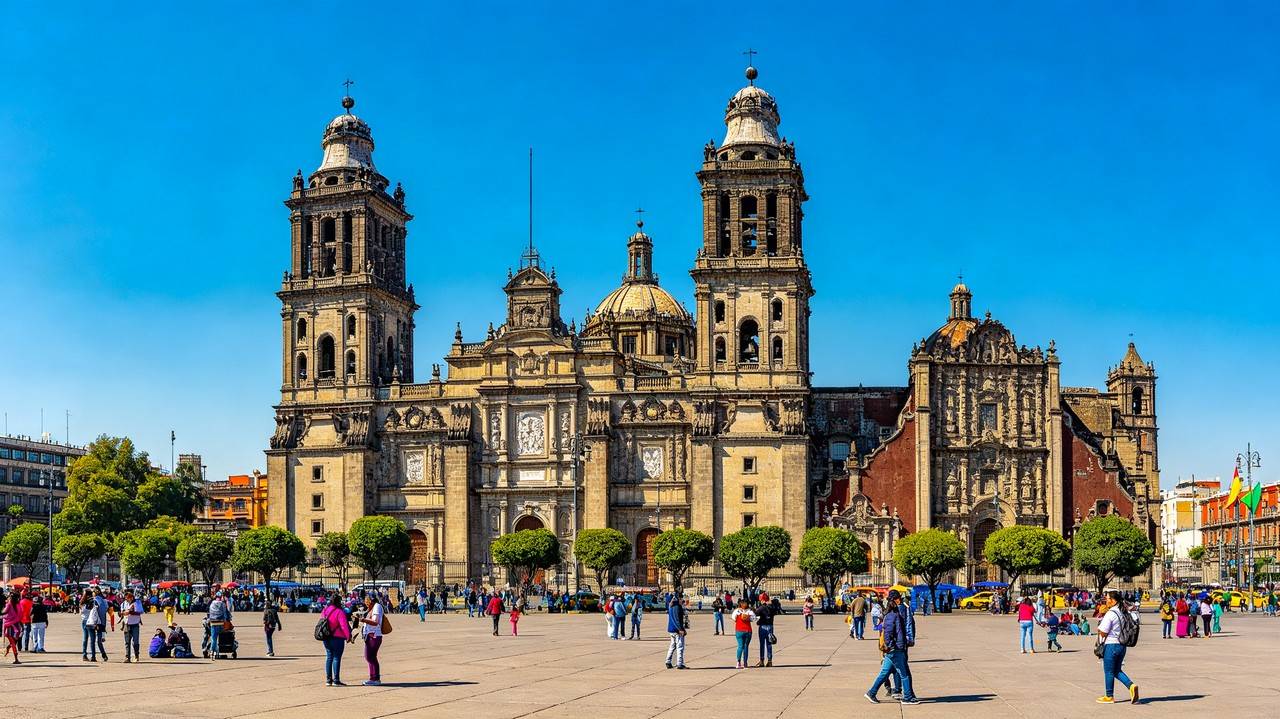
Mexico City
Capital,Ruins,Food
🔥 Ancient Aztec city, murals, museums and street tacos.
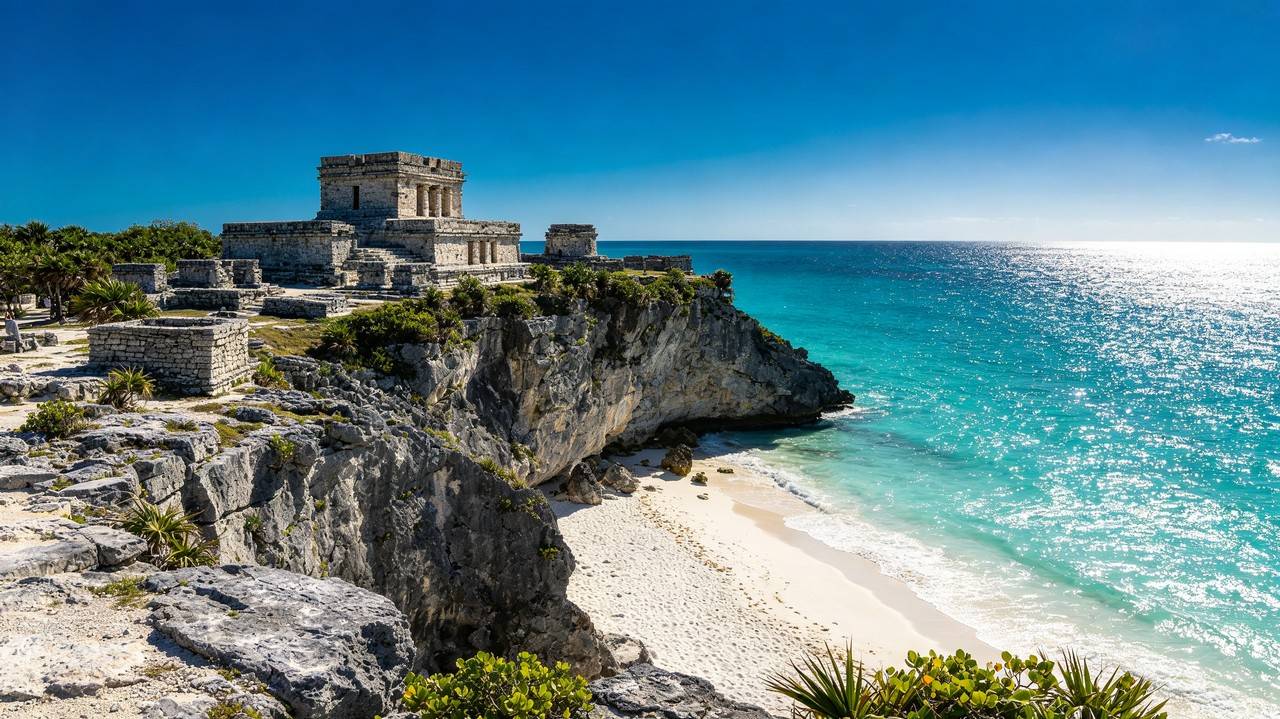
Tulum
Maya,Beach,Arts
🔥 Seaside Mayan ruins and bohemian beach, an Instagram-famous resort.
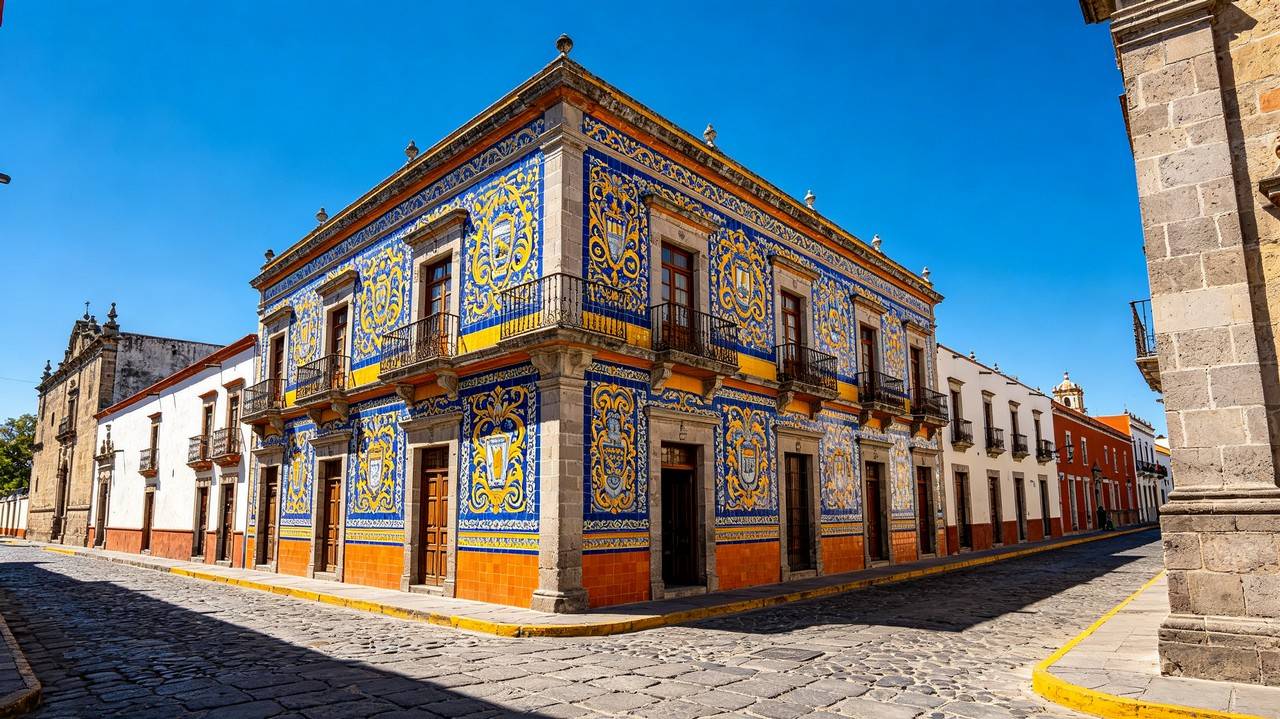
Playa del Carmen
Beach,Diving,Resort
🔥 Gateway to the Riviera Maya, with beaches and cenote diving.
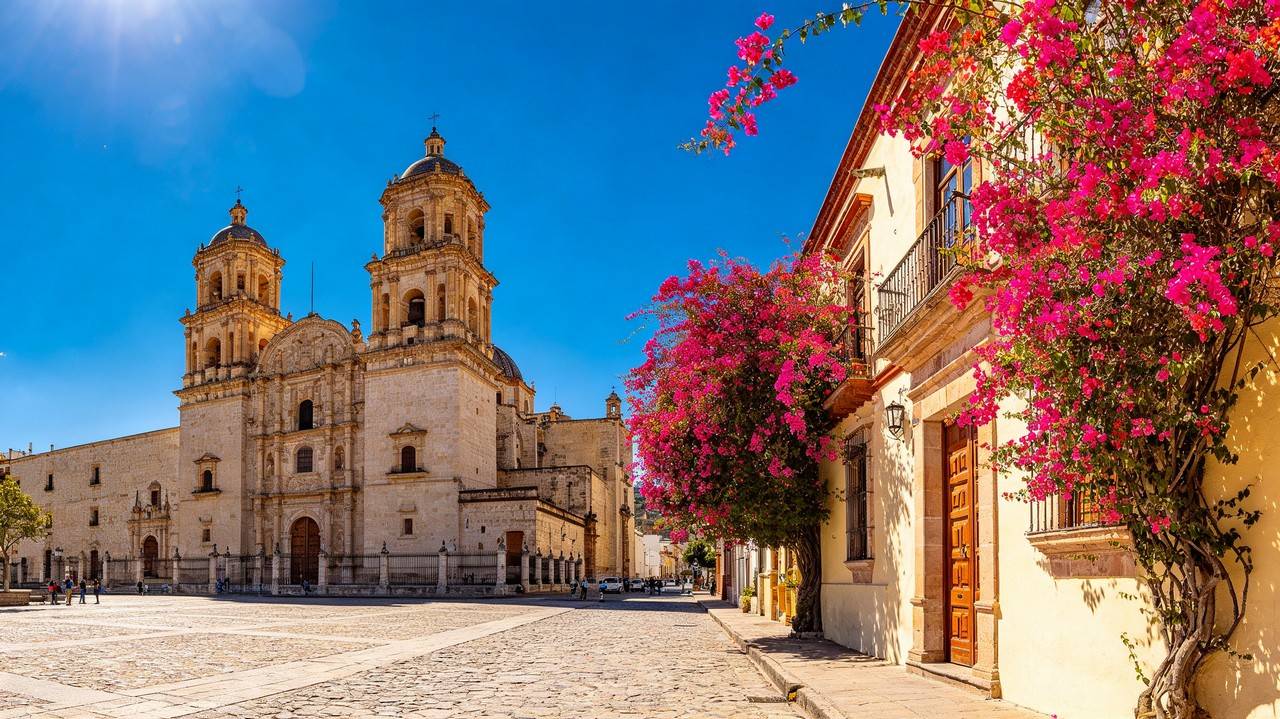
Oaxaca
Old Town,Food,Folklore
🔥 UNESCO old town, mole sauce and Day of the Dead cultural capital.
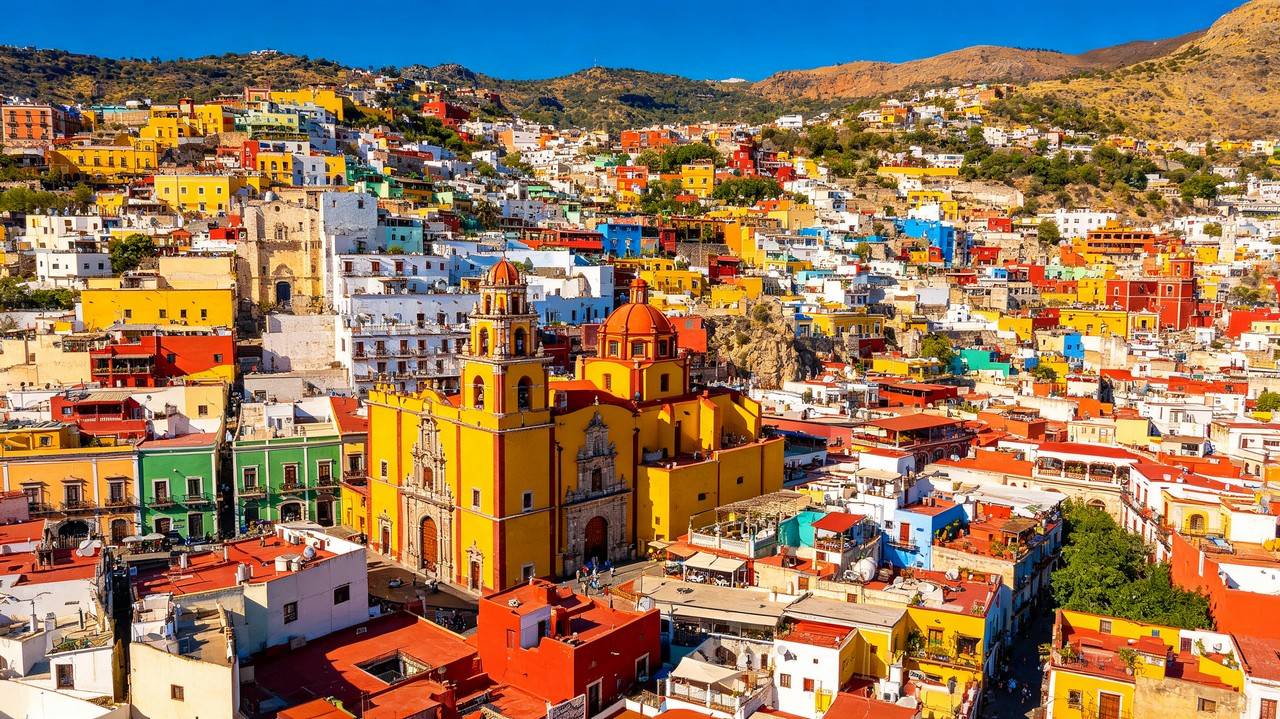
Guanajuato
Colorful Mountain Town,UNESCO,Romantic
🔥 Colorful mountain town and underground streets, a romantic UNESCO site.
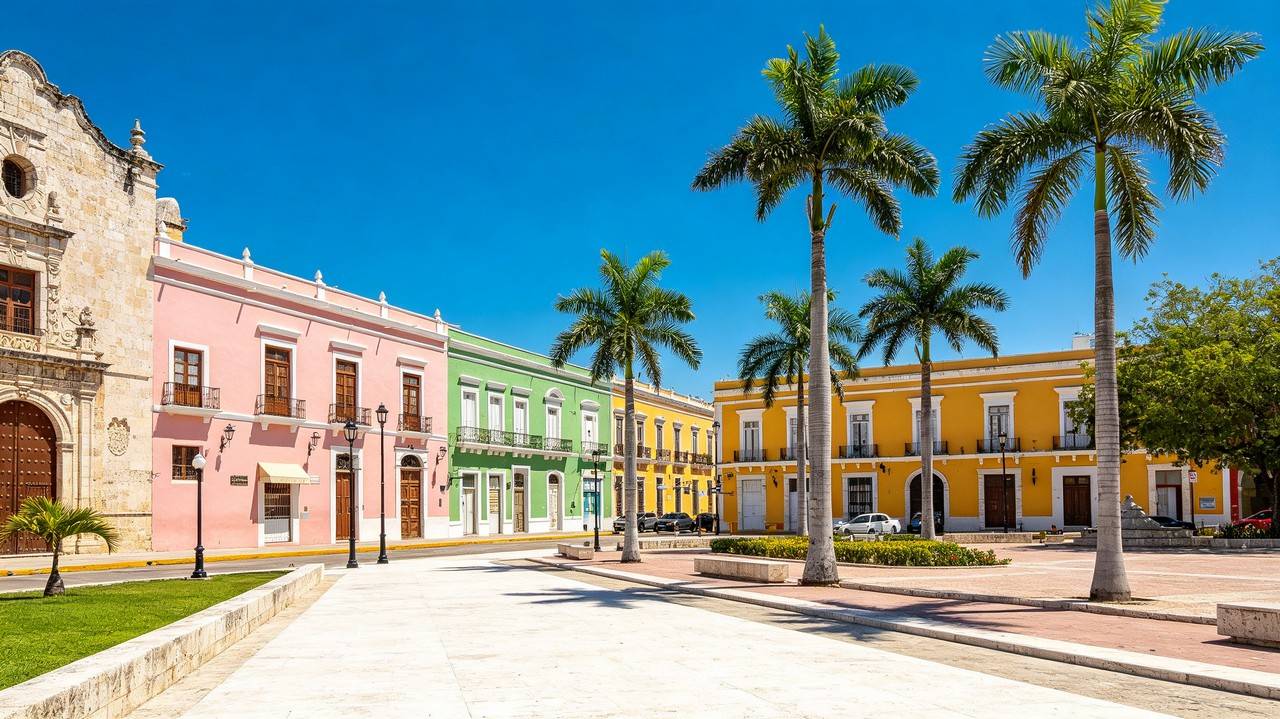
Merida
Old Town,Maya,Gateway
🔥 The White City of Yucatán, gateway to Mayan ruins and cenotes.
Popular Attractions
More Attractions →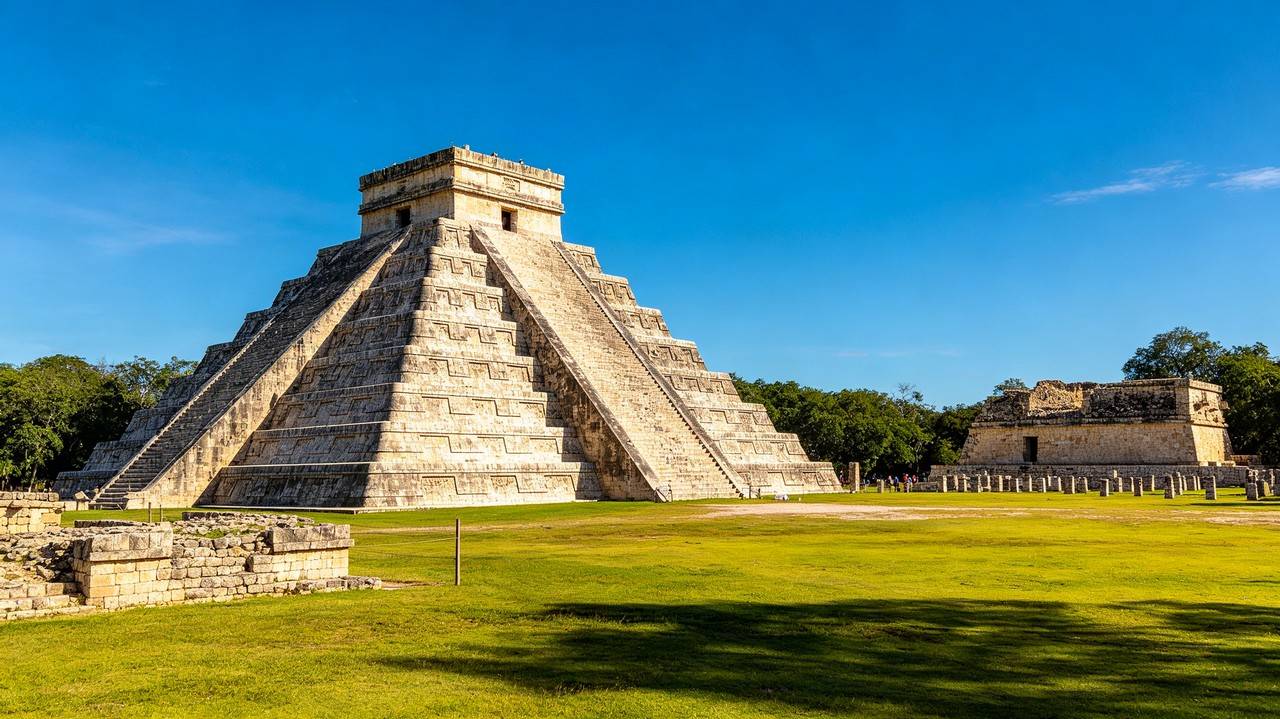
Pre-Hispanic City of Chichen-Itza📍 Chichen Itza
Chichén Itzá is the most celebrated Maya city, in Mexico's Yucatán, a UNESCO World Heritage Site since 1988 and one of the 'New Seven Wonders of the World' (2007). Its centerpiece, the Pyramid of Kukulcán (El Castillo), encodes astronomy and calendar: at the equinoxes, stairway shadows trace a descending feathered serpent. The site also holds the Great Ball Court, the El Caracol observatory and sacred cenotes. For history and architecture lovers, it is the essential gateway to Mesoamerican civilisation.

Museo Nacional de Antropología📍 Mexico City
The National Museum of Anthropology, in Mexico City's Chapultepec Park and opened in 1964, is the country's most-visited museum and the premier house of Mesoamerican collections. Its signature central courtyard holds the rain-powered 'Parasol' (umbrella fountain); galleries are organised by culture—the Aztec Sun Stone (Piedra del Sol), Maya artefacts from Palenque, Olmec colossal heads and feathered-serpent motifs—tracing the arc from Olmec to pre-Conquest. For travellers seeking one stop to understand ancient Mexico, it is unmissable.

La Pirámide del Sol📍 Teotihuacán
The Pyramid of the Sun is the of Teotihuacan, built around the 2nd century AD, about 65 m tall and among the largest earthen pyramids of the Americas. Standing on the east side of the Avenue of the Dead, facing its lunar counterpart, its top commands the whole planned lost city. Its builders remain unknown—adding mystery to its scale.
Tulum Archaeological Site📍 Tulum
Tulum Archaeological Site is Mexico's most photogenic Maya ruin on the Caribbean coast. This Postclassic Maya city (c. 13th-15th century) on a 12 m limestone cliff above the blue Caribbean, with El Castillo, Temple of the Wind God and Temple of the Paintings, plus swimming on the blue beach below, is the only seaside Maya ruin and one of the Yucatán's most popular archaeological sites. Tulum (Yucatec Maya for "wall") was a Postclassic (c. 13th-15th century) city — contemporaneous with Chichén Itzá, one of the few Maya cities still inhabited at the conquest. The site sits on a 12 m limestone cliff, walled on three sides, facing the blue Caribbean. El Castillo on the highest point is Tulum's iconic structure — a blue beach below allows swimming. Temple of the Wind God at the north end overlooks Tulum Beach. Temple of the Paintings retains Maya murals inside. Iguanas are common. Visiting to experience the only seaside Maya ruin and the blue Caribbean from a cliff-top city is a must-do archaeological and beach experience in Mexico.

Plaza de Armas📍 Querétaro
Plaza de Armas — also called Plaza de la Independencia — is the heart of Querétaro's World Heritage historic centre and its oldest public space. Colonial arcades, the former city hall and stately mansions frame a calm, perfectly proportioned square, with a central fountain honouring the Marqués de la Villa del Águila, builder of the city's famous aqueduct. Beneath tall laurel trees, cafés and open-air tables fill at dusk, offering the best seat in town for the unhurried rhythm of a Mexican highland city.

Cenote Ik Kil📍 Chichen Itza
Cenote Ik Kil lies in a jungle clearing about 3 kilometres east of Chichén Itzá, a perfectly round open sinkhole 60 metres across and some 48 metres deep, with the water surface 26 metres below the rim. Vines and tree roots cascade down the walls like a curtain toward the cool turquoise water. The Maya made offerings here to the rain god Chaac—archaeologists have recovered bones and jade from the depths. Swimming is open to the public, life jackets are mandatory, and sunscreen is banned in the water. Arrive at opening time to beat the tour buses, and bring a waterproof camera.
Classic Experiences
Best Travel Seasons
🌤️
Dry season · Nov-Apr
Clear and dry, the best time
🌷
Spring · Mar-May
Warmer; beach peak season
🌧️
Rainy season · Jun-Oct
Afternoon showers; watch for hurricane season
📅
Day of the Dead · early Nov
Unique festival, a cultural event
The dry season (Nov-Apr) is sunny and dry, ideal; Jun-Oct is the rainy and hurricane season, so watch the weather.
Recommended Tours
View All →![1 day [Mexico Humanities] Xochimilco Rafting + University Town + National Museum of Anthropology | Mexico Ancient Indian Culture Tour | 4 people in a group, 16 people in a small group](https://qiniu.usitour.com/images/picture/2017-10/detail_70_1508892501.jpg?imageView2=2&w=1920&q=70&format=webp)
1 day [Mexico Humanities] Xochimilco Rafting + University Town + National Museum of Anthropology | Mexico Ancient Indian Culture Tour | 4 people in a group, 16 people in a small group
From $275
![2 days [Beautiful Mexico Culture and Art Tour] Mexico City + Guanajuato + San Miguel + Pipila Mountain | Beautiful Colorful Colonial Town Culture and Art Tour | 4 people in a group, 16 people in a small group](https://qiniu.usitour.com/images/picture/2017-08/detail_94_1503447458.jpg?imageView2=2&w=1920&q=70&format=webp)
2 days [Beautiful Mexico Culture and Art Tour] Mexico City + Guanajuato + San Miguel + Pipila Mountain | Beautiful Colorful Colonial Town Culture and Art Tour | 4 people in a group, 16 people in a small group
From $845
![6 days [Cancun + Merida + Yucatan Peninsula Loop Depth] Pink Lake + Flamingo Nature Reserve Wonderful Sightseeing | Mayan Baths & Chichen Itza Sacred Well Swimming | Stay at Cancun Beach All-Inclusive Hotel | 4 people in a group, 16 people in a small group](https://qiniu.usitour.com/images/picture/2016-06/detail_13_1466616625.jpg?imageView2=2&w=1920&q=70&format=webp)
6 days [Cancun + Merida + Yucatan Peninsula Loop Depth] Pink Lake + Flamingo Nature Reserve Wonderful Sightseeing | Mayan Baths & Chichen Itza Sacred Well Swimming | Stay at Cancun Beach All-Inclusive Hotel | 4 people in a group, 16 people in a small group
From $2383
![1 day [Mexican City Exploration] Puebla, the City of Angels + the Great Pyramid of Cholula | Check in to the City of Angels and explore the secrets of the pyramids | 4 people in a group, 16 people in a small group](https://qiniu.usitour.com/images/picture/2016-06/detail_100_1466554259.jpg?imageView2=2&w=1920&q=70&format=webp)
1 day [Mexican City Exploration] Puebla, the City of Angels + the Great Pyramid of Cholula | Check in to the City of Angels and explore the secrets of the pyramids | 4 people in a group, 16 people in a small group
From $306
![[Cancun 6-Day Free Tour] Chichen Itza + Xplor Adventure Park + Pink Lake + Isla Mujeres + Dolphin Encounter, Diverse Itinerary + Hotel Optional | Boutique 15-Person Group](https://qiniu.usitour.com/images/picture/2017-12/detail_36_1514398600.jpg?imageView2=2&w=1920&q=70&format=webp)
[Cancun 6-Day Free Tour] Chichen Itza + Xplor Adventure Park + Pink Lake + Isla Mujeres + Dolphin Encounter, Diverse Itinerary + Hotel Optional | Boutique 15-Person Group
From $40
![6 days [Mexico Cancun Twin Cities Tour] In and out of Mexico | Notre Dame de Guadalupe + Pyramid of the Sun and Moon + Xochimilco + Museum of Anthropology | Visit the ancient Indian civilization | 2 people in a group, 16 people in a small group](https://qiniu.usitour.com/images/picture/2016-02/detail_98_1456182000.jpg?imageView2=2&w=1920&q=70&format=webp)
6 days [Mexico Cancun Twin Cities Tour] In and out of Mexico | Notre Dame de Guadalupe + Pyramid of the Sun and Moon + Xochimilco + Museum of Anthropology | Visit the ancient Indian civilization | 2 people in a group, 16 people in a small group
From $1845
Popular Guide Articles
More →Practical Info
Depends on passport/departure country; check the latest visa and entry policy before travel
Mexican Peso (MXN), USD accepted; cards widely used
UTC-6 to -8, spanning multiple time zones
127V, Type A/B outlets
Private cars/ride-hailing in resorts; intercity via domestic flights
Obey local laws, mind personal belongings; emergency 911 (general)
Free Consultation
Free Consultation
Tell us your departure city, travel dates and interests, and Zou Sifang will tailor a trip just for you.